


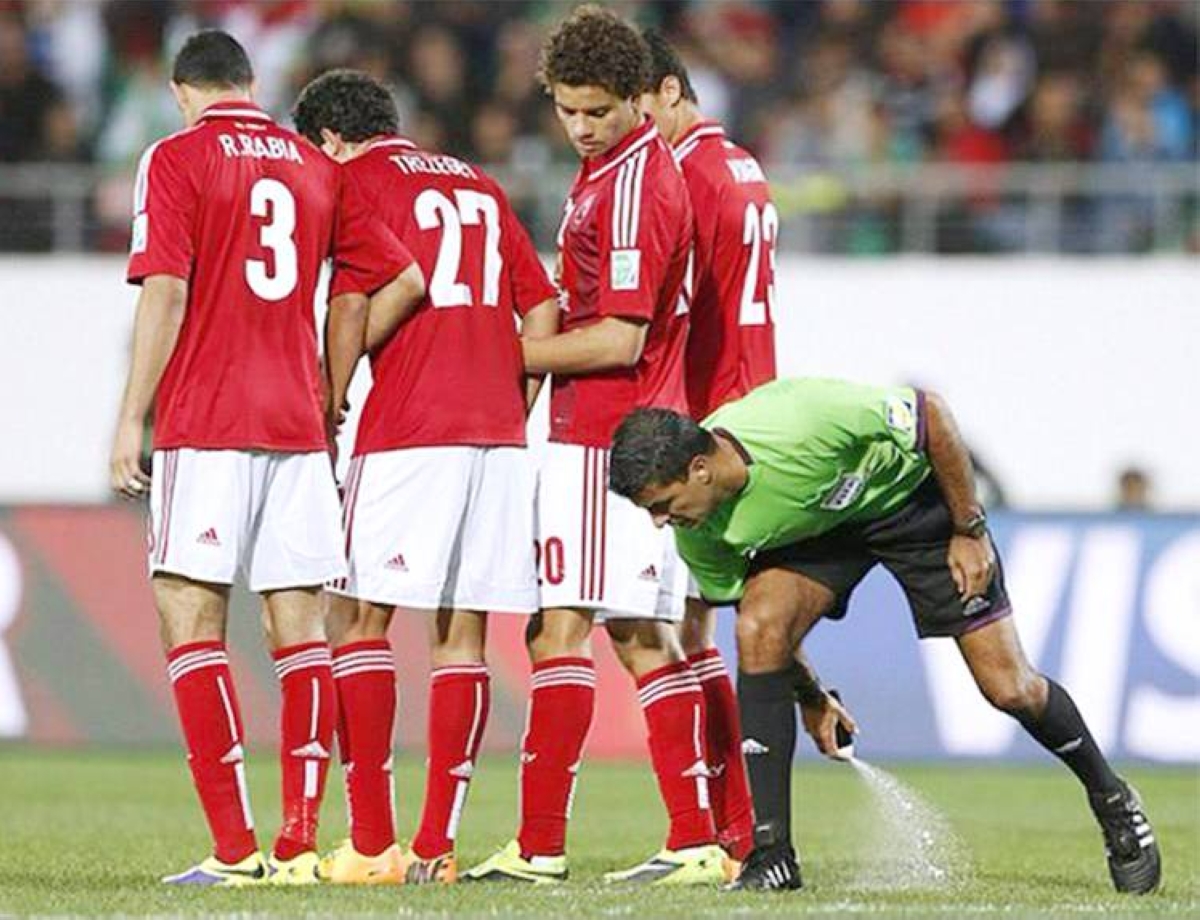
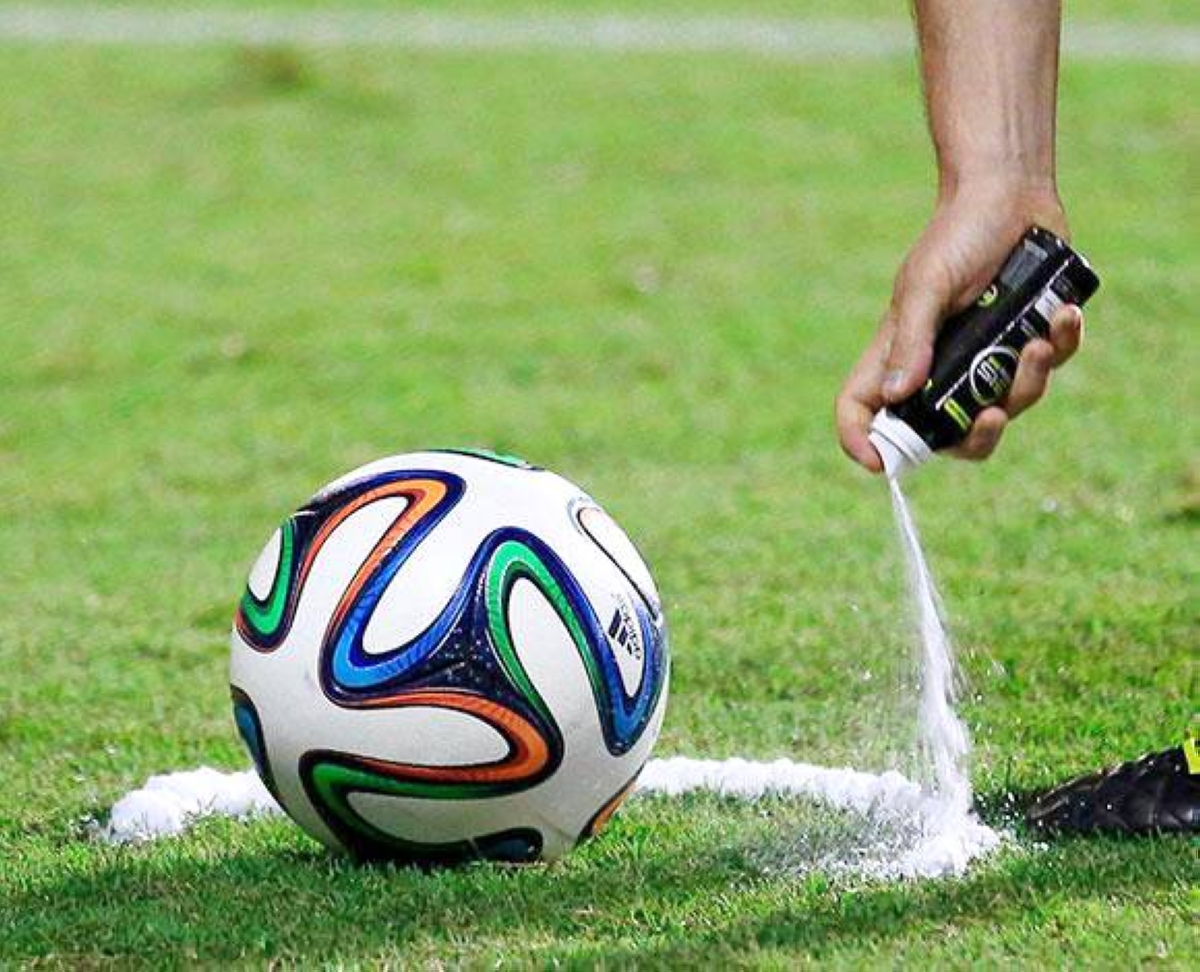
من المشاهد التي لا تغيب عن أذهان الجماهير الرياضية قيام حكام الساحة في المستطيل الأخضر برشّ الرغوة البيضاء على العشب وتحديداً عند وجود «الفاولات» والركلات الحرة، لتحديد دقة موقع الكرة والمسافة التي يجب أن يوجد فيها اللاعبون كصد حائط، ولكن وبعد سنوات من استخدامها بدأت ظاهرة «البخاخ» تختفي تدريجياً عن الملاعب، ما ترك الكثير من علامات التعجب والاستفهام والتساؤلات عند الجماهير عن أسباب توقفها بشكل مفاجئ.
ويظل السؤال: لماذا توقف استعمال «بخاخ الرغوة» في الملاعب الرياضية العالمية؟
يقول مدرب اللياقة البدنية وكرة القدم الكابتن محمد السليم لـ«عكاظ»: «توقفت الأوساط الرياضية في كثير من الدول عن استخدام «بخاخ الرغوة البيضاء» في السنوات الأخيرة، بعد أن اعتمد الـ«فيفا» الرغوة رسمياً في كأس العالم 2014، ولكن لم يستمر الحال مع هذه الرغوة ولم تتضح الرؤية بشأنها بشكل رسمي من الـ«فيفا»، لوجود مشاكل بين مخترعي الرغوة و«فيفا»، فالأخبار المتداولة بخصوصها في وسائل الإعلام كشفت أن «فيفا» استخدم «البخاخ» دون إذن رسمي من مخترعيه الحاصلين على براءة اختراعه؛ وهما بابلو سيلفا ورفيقه هايني أليماني اللذان رفعا قضية حول اختراعهما، واستخدام المنتج في الملاعب الرياضية دون إذن منهما، وقد كسبا القضية وفُرضت غرامات مالية على استخدام «البخاخ»، وما زالت القضية محل جدل إلى يومنا، فبعض مسابقات كرة القدم تواصل استخدام «البخاخ» ولكن ربما قد يكون من نوع آخر وبالشراء المباشر»، وتابع: «البخاخ الأبيض أو الثلجي ساعد الحكام وخصوصاً في مباريات كأس العالم أو مباريات التصفيات المهمة على إنجاز مهماتهم التحكيمية بنجاح كبير، إذ كان للبخاخ دور كبير ومهم في تحديد مسافة الحائط البشري، وتحديد مكان الكرة بدقة، وتقليل الاحتكاك بين اللاعبين والحكام، إذ يحدد أماكن وقوفهم بوضوح».
وختم الكابتن السليم حديثه بقوله: «مادة البخاخ غير سامة ولا توجد أي أضرار بيئية لها، فالرغوة تختفي وتتلاشى بعد مدة قصيرة جداً من وضعها على العشب الحقيقي والاصطناعي أو التراب، وهناك شركات عديدة متخصصة لإنتاجها وتسويقها، والعلبة مصنوعة بالكامل من الألومنيوم القابل لإعادة التدوير، وتتكون الرغوة في المتوسط من 20% من غاز البيوتان و1% من المواد الخافضة للتوتر السطحي و2% من المواد الأخرى، و77% عبارة عن ماء، ويتمدد البيوتان أثناء رشّه، ما ينتج عنه رغوة بيضاء، وبمجرد أن يتبخر الماء، تنفجر فقاعات الرغوة وتذوب مرة أخرى، وبعد تبخُّر المكونات السائلة، لا تكون هناك أيّ بقايا مرئية».
مختص لـ«عكاظ»: مخترعاها سبب توقف استخدامها
رغوة الحكام
25 يوليو 2025 - 04:08
|
آخر تحديث 25 يوليو 2025 - 04:08


تابع قناة عكاظ على الواتساب
محمد داوود (جدة) @mdawood77
One of the scenes that remains etched in the minds of sports fans is when referees on the green pitch spray white foam on the grass, specifically when there are "fouls" and free kicks, to accurately determine the position of the ball and the distance that players must maintain as a wall. However, after years of use, the phenomenon of the "spray" has gradually disappeared from the fields, leaving many questions and wonders among fans about the reasons for its sudden cessation.
The question remains: Why has the use of "foam spray" stopped in global sports arenas?
Fitness and football coach Captain Mohammed Al-Saleem told "Okaz": "Sports circles in many countries have stopped using the 'white foam spray' in recent years, after FIFA officially adopted the foam in the 2014 World Cup. However, this situation did not last with the foam, and the official stance from FIFA regarding it has not been clear due to issues between the inventors of the foam and FIFA. The news circulating about it in the media revealed that FIFA used the 'spray' without official permission from its inventors, who hold the patent; namely, Pablo Silva and his partner Heini Alemani, who filed a lawsuit regarding their invention and the use of the product in sports fields without their permission. They won the case, and fines were imposed for the use of the 'spray.' The case remains a topic of debate to this day, as some football competitions continue to use the 'spray,' but it may be of a different type and purchased directly," he added: "The white or icy spray helped referees, especially in World Cup matches or important qualifying matches, to successfully carry out their officiating tasks. The spray played a significant and important role in determining the distance of the human wall, accurately marking the ball's position, and reducing friction between players and referees, as it clearly defines their standing positions."
Captain Al-Saleem concluded his remarks by saying: "The spray material is non-toxic and has no environmental harm; the foam disappears and fades shortly after being applied to real and artificial grass or dirt. There are many companies specialized in producing and marketing it, and the can is made entirely of recyclable aluminum. The foam consists, on average, of 20% butane gas, 1% surfactants, 2% other materials, and 77% water. Butane expands when sprayed, resulting in white foam, and once the water evaporates, the foam bubbles burst and dissolve again. After the evaporation of the liquid components, there are no visible residues."
The question remains: Why has the use of "foam spray" stopped in global sports arenas?
Fitness and football coach Captain Mohammed Al-Saleem told "Okaz": "Sports circles in many countries have stopped using the 'white foam spray' in recent years, after FIFA officially adopted the foam in the 2014 World Cup. However, this situation did not last with the foam, and the official stance from FIFA regarding it has not been clear due to issues between the inventors of the foam and FIFA. The news circulating about it in the media revealed that FIFA used the 'spray' without official permission from its inventors, who hold the patent; namely, Pablo Silva and his partner Heini Alemani, who filed a lawsuit regarding their invention and the use of the product in sports fields without their permission. They won the case, and fines were imposed for the use of the 'spray.' The case remains a topic of debate to this day, as some football competitions continue to use the 'spray,' but it may be of a different type and purchased directly," he added: "The white or icy spray helped referees, especially in World Cup matches or important qualifying matches, to successfully carry out their officiating tasks. The spray played a significant and important role in determining the distance of the human wall, accurately marking the ball's position, and reducing friction between players and referees, as it clearly defines their standing positions."
Captain Al-Saleem concluded his remarks by saying: "The spray material is non-toxic and has no environmental harm; the foam disappears and fades shortly after being applied to real and artificial grass or dirt. There are many companies specialized in producing and marketing it, and the can is made entirely of recyclable aluminum. The foam consists, on average, of 20% butane gas, 1% surfactants, 2% other materials, and 77% water. Butane expands when sprayed, resulting in white foam, and once the water evaporates, the foam bubbles burst and dissolve again. After the evaporation of the liquid components, there are no visible residues."


