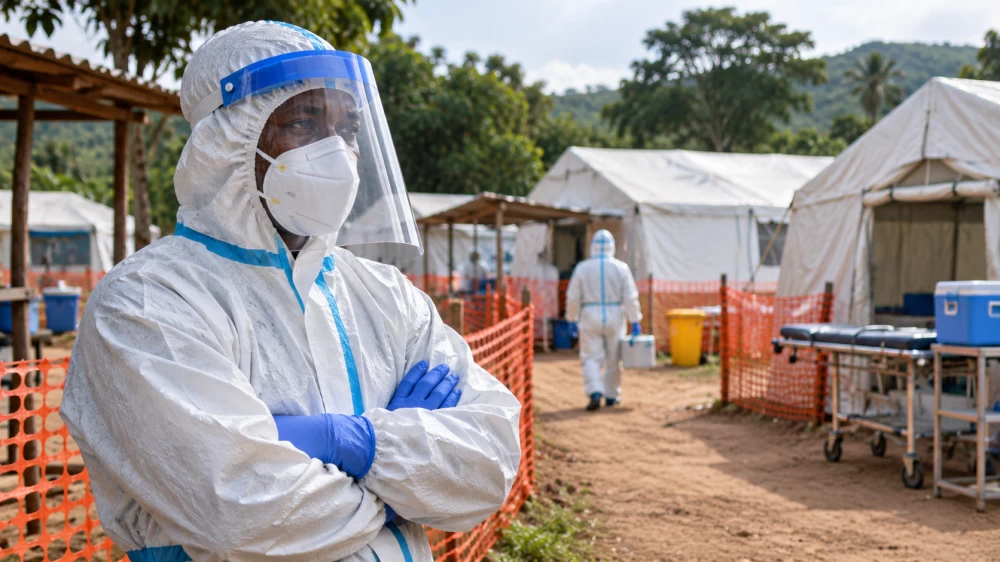
ارتفعت حصيلة ضحايا تفشي فايروس إيبولا في جمهورية الكونغو الديمقراطية إلى 5387 وفاة، فيما تجاوز عدد الإصابات المؤكدة 11 ألف حالة، في أسوأ تفشٍ للمرض تشهده البلاد منذ بدء تسجيل الأوبئة فيها.
وأظهرت أحدث البيانات الصحية تسجيل 11,042 إصابة مؤكدة و5387 وفاة، منذ الإعلان عن تفشي الفايروس في منتصف مايو الماضي، لتقترب نسبة الوفيات من نصف إجمالي الإصابات المسجلة.
وامتد الوباء إلى 8 مقاطعات من أصل 26 مقاطعة في الكونغو الديمقراطية، وسط صعوبات متزايدة تواجه السلطات الصحية في احتواء انتشار العدوى.
ثاني أكبر تفشٍ لإيبولا في العالم
ويُعد التفشي الحالي ثاني أكبر تفشٍ لفايروس إيبولا وأكثرها فتكاً على مستوى العالم، بعد وباء غرب أفريقيا الذي اجتاح المنطقة بين عامي 2014 و2016، وتسبب في إصابة أكثر من 28,600 شخص ووفاة أكثر من 11 ألفاً.
وينجم التفشي الحالي عن سلالة نادرة من الفايروس تُعرف باسم «بونديبوغيو»، لا يتوفر حتى الآن لقاح أو علاج معتمد مخصص لها.
وتتركز معظم الإصابات في مقاطعتي إيتوري وشمال كيفو شرقي البلاد، إذ سجلت إيتوري وحدها 7684 إصابة و3628 وفاة، فيما بلغت الحصيلة في شمال كيفو 2737 إصابة و1505 وفيات.
النزاعات المسلحة تعرقل احتواء الوباء
وتواجه جهود مكافحة الفايروس تحديات كبيرة بسبب استمرار النزاعات المسلحة وتدهور الخدمات الصحية وصعوبة الوصول إلى المناطق المتضررة، إلى جانب انتشار المعلومات المضللة وانعدام الثقة بين بعض المجتمعات المحلية والعاملين في القطاع الصحي.
وأدت هجمات استهدفت فرق الاستجابة الصحية إلى مقتل 4 أشخاص في حادثتين منفصلتين، وتعطيل عمليات تتبع المخالطين، ما تسبب في فقدان متابعة أكثر من ألف شخص يُحتمل تعرضهم للعدوى.
انتشار العدوى خارج الكونغو
ولم يقتصر انتشار الفايروس على الكونغو الديمقراطية، إذ سُجلت إصابات مرتبطة بالتفشي في دول أفريقية أخرى، بينها أوغندا وكينيا ونيجيريا، ما يزيد المخاوف من انتقال العدوى عبر الحدود.
وفي ظل استمرار انتشار المرض، تتواصل الجهود الدولية لتطوير وسائل الوقاية والعلاج، مع إجراء تجارب سريرية على لقاحات جديدة تستهدف تعزيز الاستجابة الصحية لهذا النوع من فايروس إيبولا.
The death toll from the Ebola virus outbreak in the Democratic Republic of the Congo has risen to 5,387, while the number of confirmed cases has exceeded 11,000, marking the worst outbreak of the disease the country has experienced since it began recording epidemics.
Recent health data showed 11,042 confirmed cases and 5,387 deaths since the announcement of the virus outbreak in mid-May, bringing the death rate close to half of the total recorded infections.
The epidemic has spread to 8 out of 26 provinces in the Democratic Republic of the Congo, amid increasing difficulties faced by health authorities in containing the spread of the infection.
The Second Largest Ebola Outbreak in the World
The current outbreak is considered the second largest and deadliest Ebola virus outbreak in the world, following the West Africa epidemic that swept through the region between 2014 and 2016, which resulted in over 28,600 infections and more than 11,000 deaths.
The current outbreak is caused by a rare strain of the virus known as "Bundibugyo," for which there is currently no approved vaccine or treatment.
Most of the infections are concentrated in the Ituri and North Kivu provinces in the eastern part of the country, with Ituri alone recording 7,684 cases and 3,628 deaths, while North Kivu has reported 2,737 cases and 1,505 deaths.
Armed Conflicts Hinder Containment of the Epidemic
Efforts to combat the virus face significant challenges due to ongoing armed conflicts, deteriorating health services, and difficulties in accessing affected areas, along with the spread of misinformation and a lack of trust between some local communities and health workers.
Attacks targeting health response teams have resulted in the deaths of 4 people in two separate incidents, disrupting contact tracing operations and causing the loss of tracking for over a thousand individuals who may have been exposed to the infection.
Spread of Infection Beyond Congo
The spread of the virus has not been limited to the Democratic Republic of the Congo, as cases linked to the outbreak have been recorded in other African countries, including Uganda, Kenya, and Nigeria, raising concerns about cross-border transmission of the infection.
As the disease continues to spread, international efforts to develop prevention and treatment methods are ongoing, with clinical trials being conducted on new vaccines aimed at enhancing the health response to this type of Ebola virus.