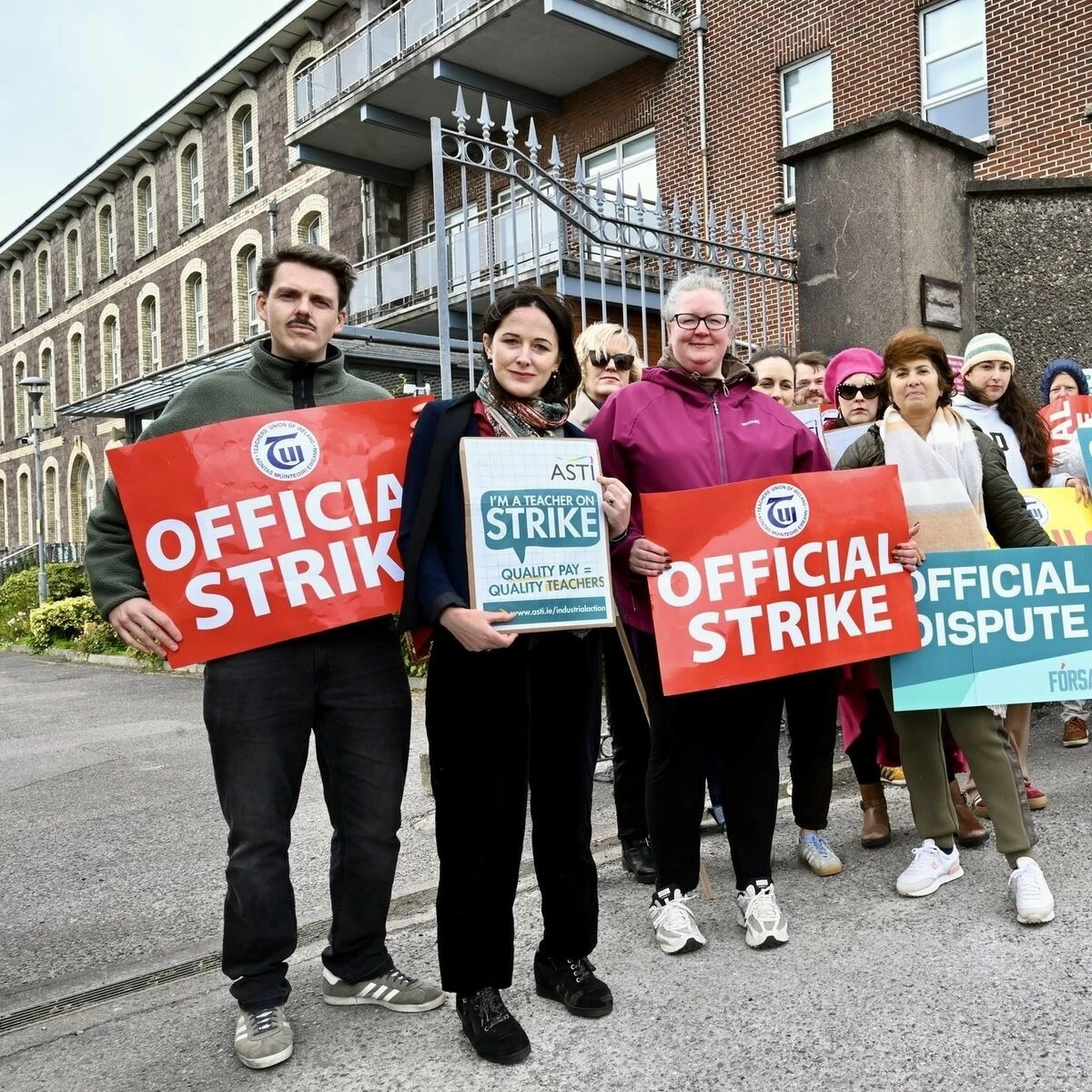
توصلت الحكومة الأيرلندية إلى اتفاق مبدئي مع النقابات العمالية بشأن زيادة أجور العاملين في القطاع العام، يتضمن رفع الرواتب بنسبة تراكمية متوسطة تبلغ 10.75% حتى أوائل عام 2029، إلى جانب إنهاء جميع التحركات والإضرابات العمالية، وذلك رهناً بموافقة أعضاء النقابات على الاتفاق.
وجاء الاتفاق الجديد، الذي جرى التوصل إليه الأربعاء، عقب انتهاء صلاحية اتفاق الأجور السابق في يونيو الماضي، وما أعقبه من إضراب واسع النطاق شهدته البلاد الشهر الماضي، وهو الأول من نوعه منذ ذروة الأزمة المالية العالمية عام 2009.
وكان من المقرر تنظيم إضراب ثانٍ الخميس، قبل تعليق التحرك عقب التوصل إلى الاتفاق المبدئي بين الحكومة وممثلي العاملين.
5.2 مليار يورو تكلفة الاتفاق الجديد
وقالت وزارة الإنفاق العام الأيرلندية، في بيان، إن الاتفاق المقترح يسري بأثر رجعي اعتباراً من يوليو 2026، ويمتد حتى نهاية مارس 2029، بتكلفة إجمالية تقدر بنحو 5.2 مليار يورو، على أن توزع النفقات على خمس موازنات حكومية.
وأوضحت الحكومة أن الاتفاق يراعي بشكل أكبر أوضاع الموظفين أصحاب الدخول المنخفضة، إذ يمنحهم زيادات في الأجور تصل إلى 18.3% على مدار فترة تطبيقه.
كما يتضمن رفع الحد الأقصى للدخل الذي تنطبق عليه أحكام الزيادات المخصصة لأصحاب الرواتب المنخفضة، من 50 ألف يورو إلى 60 ألف يورو، بما يتيح لشريحة أوسع من العاملين الاستفادة من هذه المزايا.
زيادات متفاوتة للمعلمين والشرطة وعمال النظافة
وبحسب تفاصيل الاتفاق التي أعلنتها الحكومة الأيرلندية، ستختلف نسب الزيادة في الرواتب وفقاً للوظائف ومستويات الأجور، حيث سيحصل عمال النظافة على زيادة تصل إلى 18.3% في الأجر الأساسي على مدار فترة الاتفاق.
كما سترتفع رواتب أفراد الشرطة بنسبة 14.6%، بينما يحصل معلمو المدارس الابتدائية على زيادة تبلغ 13.1%.
ويعكس هذا التفاوت توجه الاتفاق نحو منح العاملين في الوظائف ذات الدخول الأقل زيادات أكبر، في محاولة لمعالجة الضغوط المعيشية وتحسين الأوضاع المالية لموظفي الخدمات العامة.
مراجعة الاتفاق حال تغير الظروف الاقتصادية
ويتضمن الاتفاق بنداً يسمح لأي من الطرفين، الحكومة أو النقابات، بطلب مراجعة بنود الاتفاق إذا طرأت تغيرات كبيرة على معدلات التضخم أو غيرها من المؤشرات والافتراضات الاقتصادية خلال فترة سريانه.
ومن المقرر أن تبدأ النقابات والاتحادات الممثلة للعاملين في القطاع العام إجراء تصويت بين أعضائها بشأن الاتفاق المقترح، تمهيداً لاتخاذ القرار النهائي حول قبوله واعتماده.
ويأتي الاتفاق في محاولة لاحتواء التوترات العمالية التي تصاعدت خلال الأشهر الماضية، وضمان استقرار الخدمات العامة، بعد عودة الإضرابات الواسعة إلى أيرلندا للمرة الأولى منذ عام 2009.
The Irish government has reached a preliminary agreement with trade unions regarding wage increases for public sector workers, which includes an average cumulative salary increase of 10.75% until early 2029, along with the cessation of all labor movements and strikes, contingent upon the approval of union members for the agreement.
The new agreement, reached on Wednesday, follows the expiration of the previous wage agreement in June and the widespread strike that occurred in the country last month, the first of its kind since the peak of the global financial crisis in 2009.
A second strike was scheduled for Thursday before the action was suspended following the preliminary agreement between the government and worker representatives.
€5.2 billion cost of the new agreement
The Irish Department of Public Expenditure stated in a statement that the proposed agreement will take effect retroactively from July 2026 and will extend until the end of March 2029, with a total estimated cost of around €5.2 billion, to be distributed over five government budgets.
The government clarified that the agreement takes into greater consideration the conditions of low-income employees, as it grants them wage increases of up to 18.3% over the duration of its implementation.
It also includes raising the income threshold to which the provisions for increases for low-paid workers apply, from €50,000 to €60,000, allowing a wider segment of workers to benefit from these advantages.
Variable increases for teachers, police, and sanitation workers
According to the details of the agreement announced by the Irish government, the percentage increases in salaries will vary according to job roles and pay levels, with sanitation workers receiving an increase of up to 18.3% in their base pay over the duration of the agreement.
Police salaries will rise by 14.6%, while primary school teachers will receive an increase of 13.1%.
This disparity reflects the agreement's focus on providing larger increases to workers in lower-income jobs, in an attempt to address living pressures and improve the financial situations of public service employees.
Review of the agreement if economic conditions change
The agreement includes a clause allowing either party, the government or the unions, to request a review of the agreement's terms if significant changes occur in inflation rates or other economic indicators and assumptions during its validity period.
Trade unions and federations representing public sector workers are set to begin voting among their members on the proposed agreement, in preparation for making a final decision on its acceptance and approval.
The agreement comes in an effort to contain labor tensions that have escalated in recent months and to ensure the stability of public services, following the return of widespread strikes to Ireland for the first time since 2009.