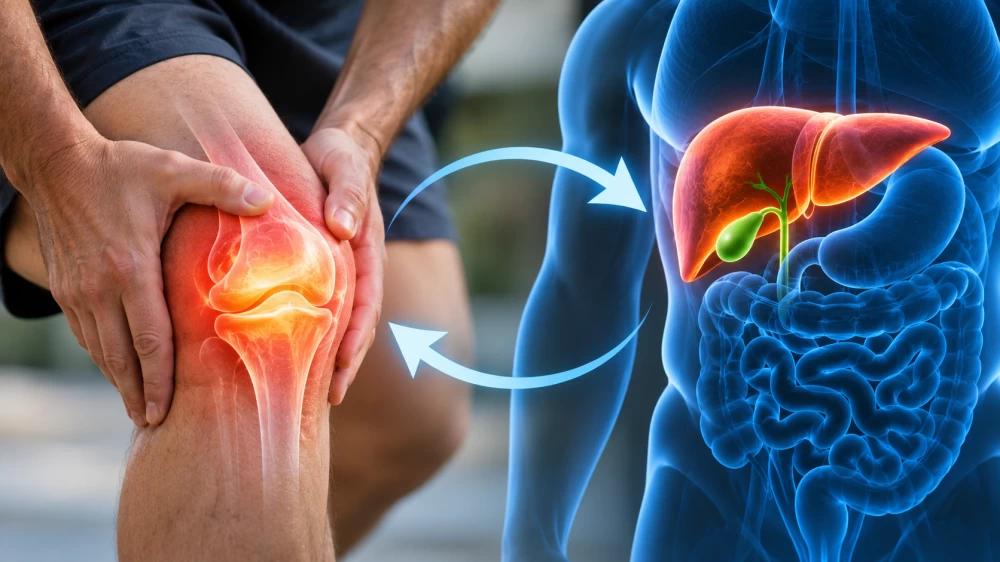
كشفت أخصائية إعادة التأهيل الروسية ماريا كونوفالوفا عن علاقة محتملة بين آلام الركبة واضطرابات وظائف الكبد والمرارة، مشيرة إلى أن ضعف تدفق الصفراء قد يرتبط بمشكلات المفاصل، وفق تفسيرات مستمدة من الطب الصيني التقليدي.
وأوضحت أن آلام الركبة تُعد من المشكلات الصحية الشائعة، إذ يعاني منها شخص واحد من كل أربعة أشخاص تجاوزوا سن 55 عاماً، ويُعد التهاب المفاصل التنكسي الناتج عن تآكل الغضاريف من أبرز أسبابها، وفقاً لـ«روسيا اليوم».
وبيّنت أن الغضاريف المتضررة لا تستعيد بنيتها الطبيعية بسهولة، وقد تتطلب الحالات المتقدمة استبدال المفصل جراحياً لاستعادة القدرة على الحركة، دون ضمان التعافي الكامل في جميع الحالات.
وأشارت كونوفالوفا إلى أن الطب الصيني التقليدي يربط بين صحة الكبد والمرارة وحالة الأربطة والأوتار والمفاصل، موضحة أن اضطراب تدفق الدم عبر الكبد قد يؤثر، بحسب هذا التصور، في مرونة الأنسجة المحيطة بالمفاصل وحركتها.
وأضافت أن هناك ارتباطاً انعكاسياً يُطرح بين عضلة المأبض الواقعة خلف الركبة ووظيفة المرارة، معتبرة أن اضطرابات المرارة، بما فيها الالتهابات وتراكم الصفراء والحصوات، قد تؤثر في أداء هذه العضلة، ومن ثم في حركة الركبة.
وقدمت الطبيبة مجموعة من النصائح لدعم صحة المفاصل، أبرزها النوم المبكر، ويفضل قبل الساعة 10:30 أو 11 مساءً، استناداً إلى اعتقاد في الطب الصيني بأن نشاط المرارة يبلغ ذروته بين الساعة 11 مساءً والواحدة صباحاً.
كما أوصت بتدليك عضلات الفخذ الخلفية والمنطقة أسفل الركبة لمدة دقيقة إلى دقيقتين، والربت على الجوانب الخارجية للفخذين والساقين، إلى جانب تدليك الصدغين وخلف الأذنين وبعض مناطق القدمين، باعتبارها نقاطاً مرتبطة بالمرارة وفق الطب الصيني.
وشملت توصياتها تدليك منطقة المرارة برفق قبل الوجبات، مع تجنب ذلك عند وجود حصوات، إضافة إلى ممارسة المشي السريع أو الركض عند الشعور بالتوتر والانفعال.
ورغم هذه التفسيرات، لا توجد أدلة طبية كافية تثبت أن اضطراب تدفق الصفراء يسبب خشونة الركبة، أو أن تدليك النقاط المذكورة يعالج تلف الغضاريف، فيما يعتمد علاج التهاب المفاصل التنكسي على تقييم الحالة واتباع الوسائل العلاجية المثبتة طبياً.
Russian rehabilitation specialist Maria Konovalova revealed a potential relationship between knee pain and liver and gallbladder dysfunction, noting that impaired bile flow may be linked to joint problems, according to interpretations derived from traditional Chinese medicine.
She explained that knee pain is a common health issue, affecting one in four people over the age of 55, with osteoarthritis caused by cartilage wear being one of its main causes, according to "Russia Today."
She indicated that damaged cartilage does not easily regain its natural structure and that advanced cases may require surgical joint replacement to restore mobility, without guaranteeing complete recovery in all cases.
Konovalova pointed out that traditional Chinese medicine connects liver and gallbladder health with the condition of ligaments, tendons, and joints, explaining that impaired blood flow through the liver may affect, according to this view, the flexibility of the tissues surrounding the joints and their movement.
She added that there is a reflex connection suggested between the gastrocnemius muscle located behind the knee and gallbladder function, considering that gallbladder disorders, including inflammation, bile accumulation, and stones, may affect the performance of this muscle, and consequently, knee movement.
The doctor provided a set of tips to support joint health, the most notable of which is going to bed early, preferably before 10:30 or 11 PM, based on the belief in Chinese medicine that gallbladder activity peaks between 11 PM and 1 AM.
She also recommended massaging the hamstring muscles and the area below the knee for one to two minutes, patting the outer sides of the thighs and calves, as well as massaging the temples, behind the ears, and certain areas of the feet, as these are points related to the gallbladder according to Chinese medicine.
Her recommendations included gently massaging the gallbladder area before meals, avoiding this when stones are present, in addition to engaging in brisk walking or running when feeling stressed or agitated.
Despite these explanations, there is insufficient medical evidence to prove that impaired bile flow causes knee stiffness, or that massaging the mentioned points treats cartilage damage, while the treatment of osteoarthritis depends on assessing the condition and following medically proven therapeutic methods.