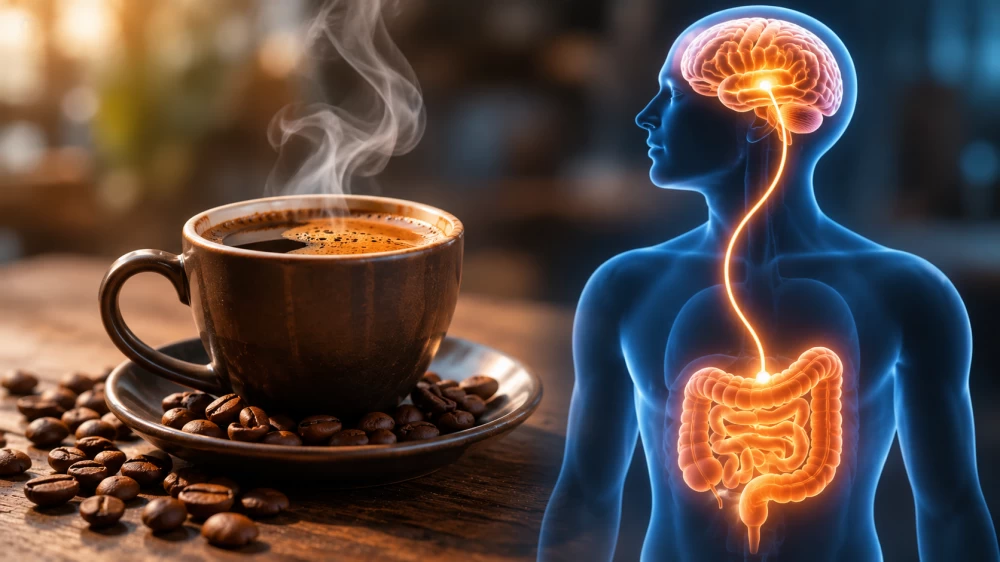
كشف علماء أمريكيون عن مسار عصبي يربط الأمعاء بالدماغ، قد يفسر سبب اعتياد الإنسان على مذاق بعض الأطعمة والمشروبات رغم مرارتها، مثل القهوة، وكيف تتغير تفضيلاته الغذائية بمرور الوقت.
وأوضح باحثون من جامعة كاليفورنيا في سان فرانسيسكو أن المسار المكتشف يعتمد على إشارات بطيئة لمادة «الدوبامين»، تساعد الدماغ على الربط بين نكهة الطعام وقيمته الغذائية وتأثيره في الجسم، وفقاً للدراسة المنشورة في مجلة «Nature».
وحدد الباحثون مساراً عصبياً يربط بين الخلايا المنتجة للدوبامين في المنطقة السقيفية البطنية (VTA) ومنطقة اللوزة القاعدية الأمامية (aBLA)، التي تشارك في معالجة المكافأة والتعلم.
وخلال تجارب أجريت على الفئران، أدخل العلماء محلول الغلوكوز وسائلًا شبيهاً بمخفوق الحليب مباشرة إلى المعدة، متجاوزين حاسة التذوق، ولاحظوا أن العناصر الغذائية حفزت إطلاقاً مستمراً للدوبامين في الدماغ.
كما أظهرت التجارب أن التحفيز الاصطناعي للألياف العصبية المنتجة للدوبامين جعل الفئران تفضّل نكهة خالية من السعرات الحرارية، ما يشير إلى دور هذا المسار في تشكيل التفضيلات الغذائية.
وأوضح الباحث الرئيسي زاكاري نايت أن الدماغ يتعلم تدريجياً ربط نكهة المشروبات، مثل القهوة، بالتأثيرات التي يشعر بها الجسم، ومنها الانتعاش الناتج عن الكافيين، وهو ما قد يجعل مذاقها أكثر قبولاً بمرور الوقت.
وأشار الباحثون إلى أن النتائج توفر فهماً جديداً لكيفية تعلم الدماغ القيمة الغذائية للطعام، وقد تفتح المجال مستقبلاً لتطوير وسائل تستهدف تعديل التفضيلات الغذائية، مع الحاجة إلى مزيد من الأبحاث لتحديد مدى انطباق النتائج على البشر.
American scientists have revealed a neural pathway that connects the gut to the brain, which may explain why humans become accustomed to the taste of certain foods and drinks despite their bitterness, such as coffee, and how their dietary preferences change over time.
Researchers from the University of California, San Francisco, explained that the discovered pathway relies on slow signals of the substance "dopamine," which helps the brain link the flavor of food to its nutritional value and its effects on the body, according to a study published in the journal "Nature."
The researchers identified a neural pathway connecting dopamine-producing cells in the ventral tegmental area (VTA) to the anterior basolateral amygdala (aBLA), which is involved in reward processing and learning.
During experiments conducted on mice, scientists introduced a glucose solution and a milkshake-like substance directly into the stomach, bypassing the sense of taste, and observed that the nutrients stimulated a continuous release of dopamine in the brain.
The experiments also showed that the artificial stimulation of dopamine-producing nerve fibers made the mice prefer a calorie-free flavor, indicating the role of this pathway in shaping dietary preferences.
Lead researcher Zachary Knight explained that the brain gradually learns to associate the flavor of drinks, such as coffee, with the effects felt by the body, including the refreshing sensation from caffeine, which may make its taste more acceptable over time.
The researchers noted that the findings provide a new understanding of how the brain learns the nutritional value of food, and may pave the way for future developments aimed at modifying dietary preferences, with the need for further research to determine the applicability of the results to humans.