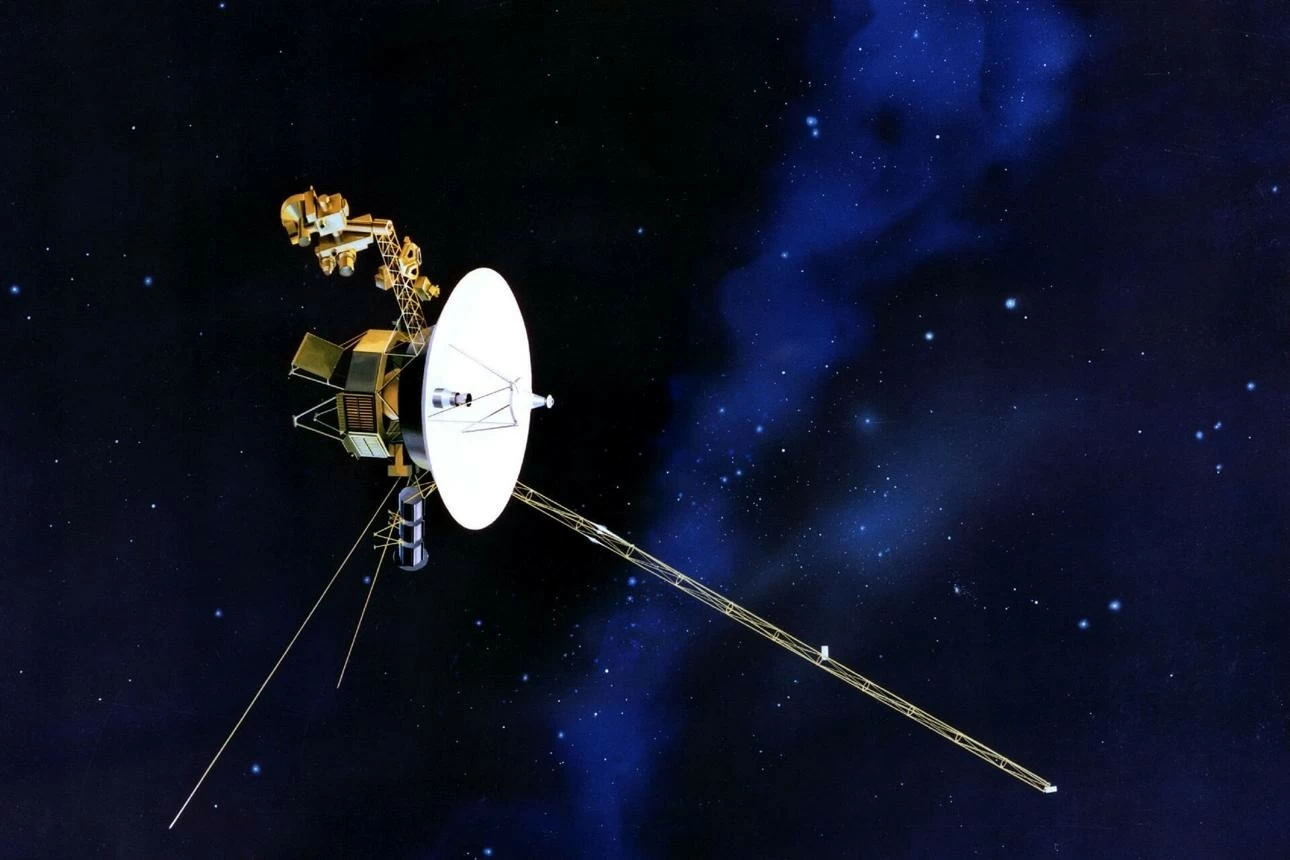
تستعد مركبة «فوياجر 1» التابعة لوكالة الفضاء الأمريكية «ناسا» لتسجيل محطة تاريخية جديدة في رحلتها التي بدأت قبل أكثر من 49 عامًا، إذ ستصبح في 18 نوفمبر الجاري أول جسم من صنع الإنسان يصل إلى مسافة تعادل يومًا ضوئيًا كاملًا عن الأرض، أي المسافة التي يقطعها الضوء خلال 24 ساعة.
25.9 مليار كيلومتر عن الأرض
وبحسب «ناسا»، ستبلغ المسافة بين «فوياجر 1» والأرض عند الوصول إلى هذه النقطة نحو 25.9 مليار كيلومتر، ما يعادل قرابة 16.1 مليار ميل.
وسيعني بلوغ هذه المسافة أن الإشارة اللاسلكية المرسلة من الأرض بسرعة الضوء ستحتاج إلى نحو 24 ساعة للوصول إلى المركبة، فيما سيستغرق الرد منها 24 ساعة أخرى، لتصبح مدة الاتصال ذهابًا وإيابًا نحو يومين كاملين.
وتؤكد «ناسا» أن «اليوم الضوئي» هنا مقياس للمسافة وليس للزمن الذي أمضته المركبة في رحلتها، إذ يمثل المسافة التي يستطيع الضوء قطعها خلال يوم واحد.
رحلة بدأت عام 1977
وأطلقت «ناسا» المركبة «فوياجر 1» في 5 سبتمبر 1977، في مهمة صُممت أساسًا لدراسة الكواكب الخارجية، قبل أن تتحول رحلتها إلى واحدة من أطول وأبعد المهمات الفضائية في التاريخ.
وحلقت المركبة قرب كوكب المشتري عام 1979، ثم زارت زحل في عام 1980، وقدمت بيانات وصورًا أسهمت في توسيع معرفة العلماء بالكوكبين وأقمارهما وحلقاتهما.
أول مركبة تدخل الفضاء بين النجوم
وفي أغسطس 2012، أصبحت «فوياجر 1» أول مركبة من صنع الإنسان تعبر الغلاف الشمسي وتدخل الفضاء بين النجوم، وهي المنطقة التي تصبح فيها تأثيرات الوسط بين النجمي أقوى من تأثير الرياح الشمسية.
وتواصل المركبة رحلتها بعيدًا عن الأرض بسرعة تقارب 61 ألف كيلومتر في الساعة، فيما لا تزال «ناسا» تتواصل معها عبر شبكة الفضاء العميق.
49 عامًا للوصول إلى يوم ضوئي
وعندما تبلغ المركبة هذه المسافة في 18 نوفمبر، سيكون قد مضى على إطلاقها 49 عامًا وشهران و11 يومًا.
ولا تتوقع «ناسا» أن تشعر المركبة بأي تغير عند عبور هذه النقطة، إذ لا يمثل اليوم الضوئي حدًا ماديًا في الفضاء، لكن أهميته تكمن في إظهار المسافة الهائلة التي قطعتها المركبة وقدرتها على مواصلة العمل بعد قرابة نصف قرن من إطلاقها.
«فوياجر 2» تلحق بها لاحقًا
أما المركبة التوأم «فوياجر 2»، التي انطلقت أيضًا عام 1977 لكنها سلكت مسارًا مختلفًا لزيارة أورانوس ونبتون، فمن المتوقع أن تبلغ مسافة يوم ضوئي عن الأرض في نوفمبر 2035.
وتحمل المركبتان «السجل الذهبي»، وهو قرص يحتوي على صور وأصوات ورسائل من الأرض، صُمم ليكون بمثابة سجل عن الحياة والحضارة البشرية في حال عثرت عليه حضارة أخرى في المستقبل.
The American space agency NASA's "Voyager 1" spacecraft is preparing to mark a new historic milestone in its journey that began over 49 years ago, as it will become on November 18 the first human-made object to reach a distance equivalent to a full light day from Earth, which is the distance light travels in 24 hours.
25.9 billion kilometers from Earth
According to NASA, the distance between "Voyager 1" and Earth when it reaches this point will be about 25.9 billion kilometers, equivalent to approximately 16.1 billion miles.
This distance means that the radio signal sent from Earth at the speed of light will take about 24 hours to reach the spacecraft, while it will take another 24 hours for a response to return, making the total communication time about two full days.
NASA emphasizes that the "light day" here is a measure of distance, not the time the spacecraft has spent on its journey, as it represents the distance that light can travel in one day.
A journey that began in 1977
NASA launched the "Voyager 1" spacecraft on September 5, 1977, on a mission primarily designed to study the outer planets, before its journey turned into one of the longest and farthest space missions in history.
The spacecraft flew close to Jupiter in 1979, then visited Saturn in 1980, providing data and images that contributed to expanding scientists' knowledge of the two planets and their moons and rings.
The first spacecraft to enter interstellar space
In August 2012, "Voyager 1" became the first human-made spacecraft to cross the heliosphere and enter interstellar space, the region where the effects of the interstellar medium become stronger than the effects of solar winds.
The spacecraft continues its journey away from Earth at a speed of nearly 61,000 kilometers per hour, while NASA still communicates with it through the deep space network.
49 years to reach a light day
When the spacecraft reaches this distance on November 18, it will have been 49 years, 2 months, and 11 days since its launch.
NASA does not expect the spacecraft to feel any change upon crossing this point, as the light day does not represent a physical boundary in space, but its significance lies in demonstrating the vast distance the spacecraft has traveled and its ability to continue functioning after nearly half a century since its launch.
"Voyager 2" will follow later
The twin spacecraft "Voyager 2," which also launched in 1977 but took a different path to visit Uranus and Neptune, is expected to reach a light day distance from Earth in November 2035.
Both spacecraft carry the "golden record," a disc containing images, sounds, and messages from Earth, designed to serve as a record of life and human civilization in case it is found by another civilization in the future.