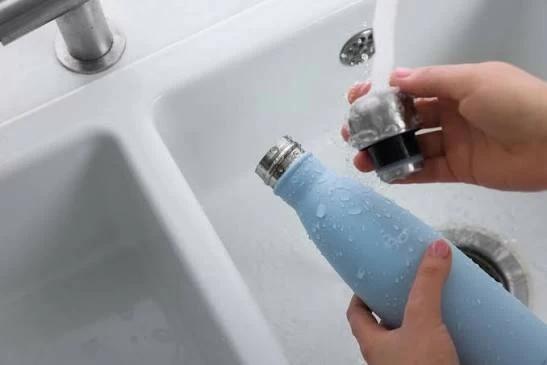
أصبحت زجاجات المياه القابلة لإعادة الاستخدام رفيقاً يومياً لكثيرين في العمل والمدارس والصالات الرياضية، مع الحرص على إعادة تعبئتها مرات عدة خلال اليوم. لكن الاستخدام المتكرر قد يؤدي إلى تراكم البكتيريا والرواسب داخل الزجاجة، خصوصاً عند إهمال تنظيفها أو تركها في بيئات دافئة ورطبة.
وينصح خبراء الصحة بغسل زجاجة المياه يومياً بالماء الدافئ والصابون، مع إجراء تنظيف عميق مرة أسبوعياً، يشمل الغطاء والشفاطة والحلقات المطاطية، وهي أجزاء قد تحتفظ بالرطوبة وبقايا السوائل وتصبح أكثر عرضة لتراكم الملوثات.
وتكتسب هذه العادات أهمية خاصة بالتزامن مع الأسبوع الدولي للوقاية من العدوى، في الفترة من 18 إلى 24 أكتوبر 2026، والذي يسلط الضوء على أهمية الممارسات اليومية البسيطة في الحد من انتقال الجراثيم.
كم مرة يجب تنظيف زجاجة المياه؟
بحسب موقع «onlymyhealth» قال استشاري الطب الباطني الأول في مستشفيات «كيمز» البروفيسور إس إم فياض، إن زجاجة المياه التي يعاد ملؤها على مدار اليوم ينبغي غسلها يومياً بالماء الدافئ والصابون، أما إذا استُخدمت لحفظ العصائر أو الحليب أو مشروبات البروتين أو ماء جوز الهند أو المشروبات المحتوية على الإلكتروليتات، فمن الأفضل غسلها بعد كل استخدام، لتجنب تراكم بقايا السوائل.
ويوصي الطبيب بإجراء تنظيف عميق مرة أسبوعياً، مع الاهتمام بجميع الأجزاء القابلة للفك، بما فيها الغطاء والشفاطة والحلقات المطاطية المانعة للتسرب.
ولا يكفي شطف الزجاجة بالماء وحده، إذ قد تبقى بعض الرواسب والطبقات الملتصقة على الأسطح الداخلية، حتى عندما تبدو الزجاجة نظيفة بالعين المجردة.
لماذا تتراكم البكتيريا داخل زجاجات المياه؟
هناك عدة عوامل قد تسهم في نمو البكتيريا داخل زجاجات المياه القابلة لإعادة الاستخدام، أبرزها:
انتقال البكتيريا من الفم، حيث قد تنتقل بكتيريا الفم إلى داخل الزجاجة مع كل رشفة.
الرطوبة والحرارة، حيث توفر البيئة الدافئة والرطبة ظروفاً تساعد بعض أنواع البكتيريا على التكاثر.
الأغشية الحيوية، فقد تتشكل طبقة رقيقة لزجة تُعرف باسم الغشاء الحيوي، تلتصق بالجدران الداخلية ويصعب التخلص منها بمجرد الشطف بالماء.
ترك الزجاجة في أماكن حارة، وقد يؤدي الاحتفاظ بها داخل السيارة أو الحقيبة الرياضية الدافئة إلى تسريع نمو الكائنات الدقيقة في الظروف المناسبة.
وتشير هذه العوامل إلى أهمية التنظيف المنتظم، خصوصاً عندما تُستخدم الزجاجة يومياً أو تُترك مغلقة وهي لا تزال رطبة.
دراسة ترصد اختلاف مستويات البكتيريا بين الزجاجات
واختبرت دراسة نُشرت عام 2024 في مجلة «Journal of Pharmaceutical and Biological Sciences» 30 زجاجة مياه يستخدمها أشخاص في حياتهم اليومية، بينها 15 زجاجة بلاستيكية مصنوعة من البولي إيثيلين تيرفثالات (PET)، و15 زجاجة من الفولاذ المقاوم للصدأ.
وأظهرت النتائج أن متوسط مستويات البكتيريا في الزجاجات البلاستيكية بلغ 68.8 وحدة مكوّنة للمستعمرات لكل ملليلتر، مقابل 35.4 وحدة في الزجاجات المصنوعة من الفولاذ المقاوم للصدأ.
وتُستخدم الوحدات المكوّنة للمستعمرات لتقدير عدد الكائنات الدقيقة القادرة على تكوين مستعمرات في ظروف الاختبار، كما رصدت الدراسة زيادة في مستويات البكتيريا داخل الزجاجات مع مرور الوقت.
وأشارت النتائج إلى أن التنظيف المنتظم خفّض مستويات البكتيريا بصورة ملحوظة، مؤكدة أهمية العناية المستمرة بزجاجات المياه.
ومع ذلك، فإن الدراسة شملت عدداً محدوداً من الزجاجات، ولذلك لا تكفي نتائجها وحدها للجزم بأن جميع الزجاجات البلاستيكية أكثر تلوثاً من جميع الزجاجات المعدنية، أو لتحديد مستوى الخطر الصحي في كل حالة.
ما الأجزاء الأكثر عرضة لتراكم الجراثيم؟
لا يقتصر الاهتمام على جسم الزجاجة، فبعض الأجزاء الصغيرة قد تكون أصعب في التنظيف، وتشمل:
الغطاء وفتحة الشرب، وذلك بسبب ملامستهما المتكررة للشفتين.
الشفاطة، فقد تتراكم داخلها بقايا السوائل، ويصعب تنظيفها دون فرشاة مخصصة.
الحلقات والحشوات المطاطية، التي قد تحتجز الماء والرطوبة في الشقوق والثنايا.
قاع الزجاجة، والذي يمكن أن تستقر فيه الرواسب وبقايا المشروبات.
ولهذا، فإن تنظيف الجزء الداخلي الظاهر وحده قد لا يكون كافياً، خصوصاً في الزجاجات ذات الأغطية المعقدة أو الشفاطات المدمجة.
الطريقة الصحيحة لتنظيف زجاجة المياه
يمكن اتباع الخطوات التالية للحفاظ على نظافة الزجاجة والحد من تراكم البكتيريا:
فك الأجزاء القابلة للإزالة: افصل الغطاء والشفاطة والحلقات المطاطية، وفقاً لتعليمات الشركة المصنعة.
الغسل بالماء الدافئ والصابون: نظف كل جزء على حدة، مع استخدام منظف مناسب للأواني.
استخدام الفرشاة المناسبة: استعِن بفرشاة زجاجات لتنظيف الجدران الداخلية، وفرشاة رفيعة للشفاطات.
الشطف جيداً: تأكد من إزالة بقايا الصابون والمنظف من جميع الأجزاء.
التجفيف الكامل: اترك الزجاجة وأجزاءها تجف في الهواء بعد فصلها، ولا تغلقها وهي رطبة.
ولإجراء تنظيف أعمق، يمكن استخدام الخل الأبيض المخفف بالماء أو محلول مناسب من بيكربونات الصوديوم، مع اتباع تعليمات الشركة المصنعة بشأن المواد الآمنة للزجاجة. وينبغي شطف الأجزاء جيداً بعد ذلك، وعدم خلط مواد التنظيف المختلفة.
كما يجب التحقق من ملصق العناية قبل وضع الزجاجة في غسالة الأطباق، لأن بعض الأنواع لا تتحمل درجات الحرارة المرتفعة أو دورات الغسل الآلية.
علامات تستدعي تنظيف الزجاجة فوراً
هناك مؤشرات قد تدل على تراكم الرواسب أو نمو العفن أو تلوث الزجاجة، من أبرزها: انبعاث رائحة عفنة أو حامضة، الشعور بوجود طبقة لزجة على الجدران الداخلية، تغير لون المياه أو ظهور مذاق غير معتاد، ظهور بقع سوداء أو وردية أو خضراء قد تكون ناتجة عن العفن أو كائنات دقيقة أخرى، تراكم البقع على الغطاء أو الحلقات المطاطية.
وعند ظهور هذه العلامات، ينبغي التوقف عن استخدام الزجاجة إلى حين تنظيفها جيداً. وإذا استمرت الرائحة أو البقع بعد التنظيف، فقد يكون استبدال الزجاجة أو الأجزاء المتضررة هو الخيار الأنسب.
من يحتاج إلى عناية أكبر بنظافة زجاجة المياه؟
ينبغي إيلاء اهتمام خاص بنظافة زجاجات المياه عند الأطفال وكبار السن والأشخاص الذين يعانون ضعف المناعة، نظراً إلى احتمال تعرضهم لمضاعفات أشد من بعض أنواع العدوى.
كما تستحق الزجاجات المستخدمة في الصالات الرياضية والرحلات والأنشطة الخارجية عناية إضافية، خصوصاً عند تعرضها للحرارة أو استخدامها على مدار ساعات طويلة.
ومن المهم أيضاً عدم مشاركة زجاجة المياه مع الآخرين، لأن ذلك قد يسهم في انتقال بعض الميكروبات عن طريق اللعاب أو ملامسة الفم لفتحة الشرب.
عادات يومية تمنع تراكم البكتيريا
إلى جانب التنظيف المنتظم، تساعد مجموعة من الممارسات البسيطة على الحد من تراكم الرواسب والملوثات داخل الزجاجة، ومنها: تعبئة الزجاجة بمياه جديدة بدلاً من إضافة الماء إلى الكمية القديمة باستمرار، عدم ترك المياه راكدة داخل الزجاجة لأيام، تجنب ترك الزجاجة في سيارة ساخنة أو تحت أشعة الشمس المباشرة لفترات طويلة، استبدال الزجاجات المتشققة أو المخدوشة، والشفاطات والحلقات التالفة، الاحتفاظ بزجاجتين بالتناوب، بما يسمح لإحداهما بالجفاف الكامل أثناء استخدام الأخرى.
Reusable water bottles have become a daily companion for many at work, schools, and gyms, with a focus on refilling them multiple times throughout the day. However, frequent use can lead to the accumulation of bacteria and residues inside the bottle, especially when neglecting to clean it or leaving it in warm and humid environments.
Health experts recommend washing the water bottle daily with warm water and soap, along with performing a deep clean once a week, which includes the cap, straw, and rubber seals, as these parts may retain moisture and liquid residues, making them more susceptible to contaminant buildup.
These habits gain special importance in conjunction with the International Infection Prevention Week, from October 18 to 24, 2026, which highlights the significance of simple daily practices in reducing the transmission of germs.
How often should you clean your water bottle?
According to the website "onlymyhealth," Professor S.M. Fayyad, the senior consultant in internal medicine at KIMS hospitals, stated that a water bottle that is refilled throughout the day should be washed daily with warm water and soap. If it is used to store juices, milk, protein drinks, coconut water, or electrolyte-containing beverages, it is better to wash it after each use to avoid the buildup of liquid residues.
The doctor recommends performing a deep clean once a week, paying attention to all removable parts, including the cap, straw, and leak-proof rubber seals.
Simply rinsing the bottle with water is not enough, as some residues and layers may remain stuck on the inner surfaces, even when the bottle appears clean to the naked eye.
Why do bacteria accumulate inside water bottles?
Several factors may contribute to the growth of bacteria inside reusable water bottles, the most notable of which are:
Bacteria transfer from the mouth, as oral bacteria may enter the bottle with every sip.
Moisture and heat, as the warm and humid environment provides conditions that help certain types of bacteria to multiply.
Biofilms, which may form a thin, sticky layer known as a biofilm that adheres to the inner walls and is difficult to remove with just rinsing with water.
Leaving the bottle in hot places, as keeping it inside a car or warm gym bag may accelerate the growth of microorganisms under suitable conditions.
These factors indicate the importance of regular cleaning, especially when the bottle is used daily or left closed while still wet.
A study monitoring the differences in bacteria levels between bottles
A study published in 2024 in the "Journal of Pharmaceutical and Biological Sciences" tested 30 water bottles used by people in their daily lives, including 15 plastic bottles made of polyethylene terephthalate (PET) and 15 stainless steel bottles.
The results showed that the average levels of bacteria in plastic bottles reached 68.8 colony-forming units per milliliter, compared to 35.4 units in stainless steel bottles.
Colony-forming units are used to estimate the number of microorganisms capable of forming colonies under test conditions, and the study observed an increase in bacteria levels inside the bottles over time.
The results indicated that regular cleaning significantly reduced bacteria levels, confirming the importance of ongoing care for water bottles.
However, the study included a limited number of bottles, so its results alone are not sufficient to conclude that all plastic bottles are more contaminated than all metal bottles or to determine the health risk level in each case.
Which parts are most susceptible to germ accumulation?
The focus should not only be on the body of the bottle, as some small parts may be harder to clean, including:
The cap and drinking spout, due to their repeated contact with the lips.
The straw, as liquid residues may accumulate inside it, making it difficult to clean without a specialized brush.
The rings and rubber seals, which may trap water and moisture in crevices and folds.
The bottom of the bottle, where residues and drink remnants can settle.
Therefore, cleaning only the visible interior part may not be sufficient, especially in bottles with complex caps or integrated straws.
The correct way to clean a water bottle
You can follow these steps to maintain the cleanliness of the bottle and reduce bacteria accumulation:
Disassemble removable parts: Separate the cap, straw, and rubber seals according to the manufacturer's instructions.
Wash with warm water and soap: Clean each part separately, using a suitable dish detergent.
Use the right brush: Use a bottle brush to clean the inner walls and a thin brush for the straws.
Rinse thoroughly: Ensure that soap and detergent residues are removed from all parts.
Complete drying: Leave the bottle and its parts to air dry after disassembling, and do not close it while still wet.
For a deeper clean, you can use diluted white vinegar or a suitable baking soda solution, following the manufacturer's instructions regarding safe materials for the bottle. Parts should be rinsed well afterward, and different cleaning materials should not be mixed.
You should also check the care label before placing the bottle in the dishwasher, as some types may not withstand high temperatures or automatic washing cycles.
Signs that require immediate cleaning of the bottle
There are indicators that may suggest the accumulation of residues, mold growth, or contamination of the bottle, including: a foul or sour smell, a sticky feeling on the inner walls, discoloration of the water or an unusual taste, the appearance of black, pink, or green spots that may be caused by mold or other microorganisms, and the accumulation of stains on the cap or rubber seals.
When these signs appear, you should stop using the bottle until it is thoroughly cleaned. If the smell or stains persist after cleaning, replacing the bottle or the damaged parts may be the best option.
Who needs to pay more attention to the cleanliness of their water bottle?
Special attention should be given to the cleanliness of water bottles for children, the elderly, and individuals with weakened immune systems, as they may be at greater risk for more severe complications from certain types of infections.
Bottles used in gyms, trips, and outdoor activities also deserve extra care, especially when exposed to heat or used for long hours.
It is also important not to share water bottles with others, as this may contribute to the transmission of some microbes through saliva or contact of the mouth with the drinking spout.
Daily habits to prevent bacteria buildup
In addition to regular cleaning, a set of simple practices helps reduce the accumulation of residues and contaminants inside the bottle, including: filling the bottle with fresh water instead of continually adding water to the old quantity, not leaving water stagnant inside the bottle for days, avoiding leaving the bottle in a hot car or under direct sunlight for long periods, replacing cracked or scratched bottles, and damaged straws and seals, and keeping two bottles in rotation, allowing one to dry completely while using the other.