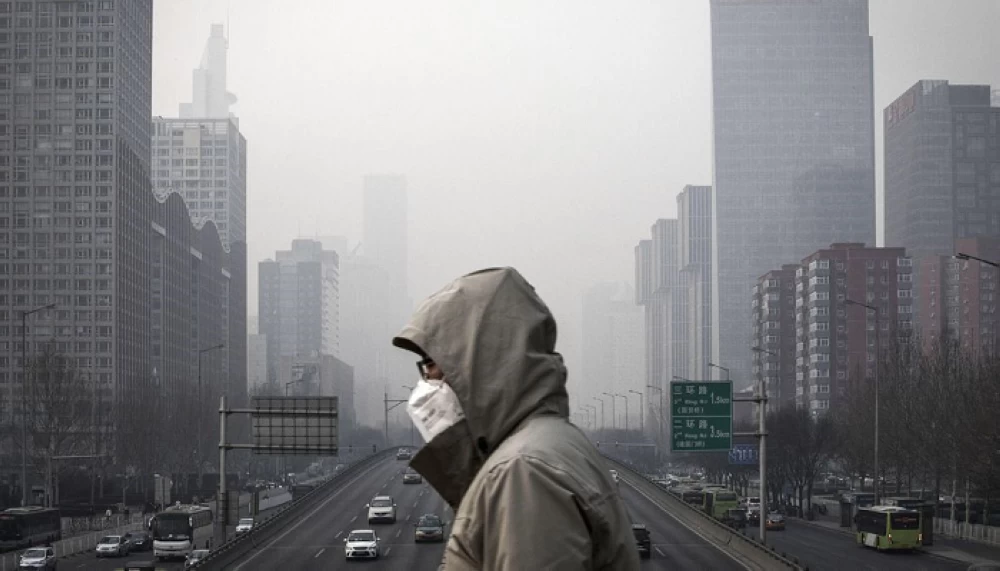
كشف تحليل عالمي حديث لجودة الهواء أن موجات الحر الشديدة وحرائق الغابات تسببت في ارتفاع مستويات التلوث في مناطق واسعة من العالم منذ بداية العام، إذ تعرض أكثر من نصف سكان الأرض لمستويات مرتفعة جداً أو شديدة الارتفاع من الأوزون السطحي، رغم جهود عدد من الدول لخفض الانبعاثات المسببة لتكوّنه.
وبحسب تقرير صادر عن خدمة «كوبرنيكوس» لمراقبة الغلاف الجوي، التابعة للمركز الأوروبي للتنبؤات الجوية متوسطة المدى، فإن ارتفاع درجات الحرارة وانتشار حرائق الغابات أسهما في تفاقم تلوث الهواء، وفقاً لصحيفة «واشنطن بوست».
وأوضح التقرير، الذي استند إلى بيانات محطات الرصد والأقمار الصناعية والنماذج الأرصادية، أن الأوزون السطحي يتشكل نتيجة تفاعل ملوثات الهواء، ومنها الميثان وأكاسيد النيتروجين المنبعثة من السيارات ومحطات الكهرباء، مع أشعة الشمس والحرارة المرتفعة، ما قد يتسبب في ضيق التنفس ونوبات الربو والتهابات الرئتين.
وأشارت مديرة خدمة «كوبرنيكوس»، لورانس رويل، إلى أن تكرار موجات الحر المرتبطة بتغير المناخ يجعل خفض مستويات الأوزون أكثر صعوبة، حتى مع تراجع الانبعاثات، داعيةً إلى تكثيف الجهود لمواجهة المشكلة.
وفي أمريكا الشمالية، تعرض أكثر من ربع السكان لمستويات تلوث بالأوزون صُنفت بأنها سيئة جداً أو شديدة السوء، فيما تعرض 41% آخرون لمستويات سيئة، وفق معايير منظمة الصحة العالمية.
وبيّن التقرير أن حرائق الغابات تزيد المشكلة تعقيداً، إذ تطلق ملوثات تتفاعل في الغلاف الجوي لتكوين الأوزون، إلى جانب جسيمات السخام الضارة بالقلب والرئتين، في وقت أظهرت فيه دراسة سابقة أن نشاط الحرائق الشديدة عالمياً تضاعف أكثر من مرتين بين عامي 2003 و2023.
وامتدت آثار التلوث إلى أوروبا، حيث تزامن وصول دخان حرائق أمريكا الشمالية مع اندلاع حرائق واسعة في فرنسا وإسبانيا، ما أدى إلى تدهور جودة الهواء خلال الصيف.
وفي الولايات المتحدة، أثار تخفيف إدارة الرئيس دونالد ترامب عدداً من قواعد مكافحة تلوث الهواء التي أقرتها إدارة جو بايدن مخاوف المدافعين عن البيئة، رغم تبرير الإدارة هذه الإجراءات بتخفيف الأعباء المالية عن الشركات ودافعي الضرائب.
وحذّر ويل باريت، نائب الرئيس المساعد لسياسات الهواء النظيف في جمعية الرئة الأمريكية، من أن التراجع عن تلك القواعد قد يؤدي إلى ارتفاع مستويات التلوث في مزيد من المجتمعات المحلية، ويهدد التقدم المحقق في خفض الأوزون.
A recent global analysis of air quality revealed that severe heatwaves and wildfires have caused a rise in pollution levels across vast areas of the world since the beginning of the year, with more than half of the Earth's population exposed to very high or extremely high levels of ground-level ozone, despite efforts by several countries to reduce the emissions that cause its formation.
According to a report from the Copernicus Atmosphere Monitoring Service, part of the European Centre for Medium-Range Weather Forecasts, rising temperatures and the spread of wildfires have contributed to worsening air pollution, according to the Washington Post.
The report, which was based on data from monitoring stations, satellites, and meteorological models, explained that ground-level ozone forms as a result of the interaction of air pollutants, including methane and nitrogen oxides emitted from vehicles and power plants, with sunlight and high temperatures, which can lead to shortness of breath, asthma attacks, and lung inflammation.
Laurence Rouil, director of the Copernicus Service, pointed out that the recurrence of heatwaves linked to climate change makes it more difficult to reduce ozone levels, even with a decrease in emissions, calling for intensified efforts to address the problem.
In North America, more than a quarter of the population was exposed to ozone pollution levels classified as very bad or severely bad, while another 41% faced poor levels, according to World Health Organization standards.
The report indicated that wildfires complicate the problem further, as they release pollutants that interact in the atmosphere to form ozone, along with harmful soot particles affecting the heart and lungs, at a time when a previous study showed that global severe wildfire activity has more than doubled between 2003 and 2023.
The effects of pollution have also extended to Europe, where the arrival of smoke from North American wildfires coincided with the outbreak of large fires in France and Spain, leading to a deterioration in air quality during the summer.
In the United States, the rollback by President Donald Trump's administration of several air pollution control regulations established by the Joe Biden administration has raised concerns among environmental advocates, despite the administration justifying these actions as a means to alleviate financial burdens on businesses and taxpayers.
Will Barrett, the American Lung Association's assistant vice president for clean air policy, warned that rolling back those regulations could lead to increased pollution levels in more local communities and threaten the progress made in reducing ozone.