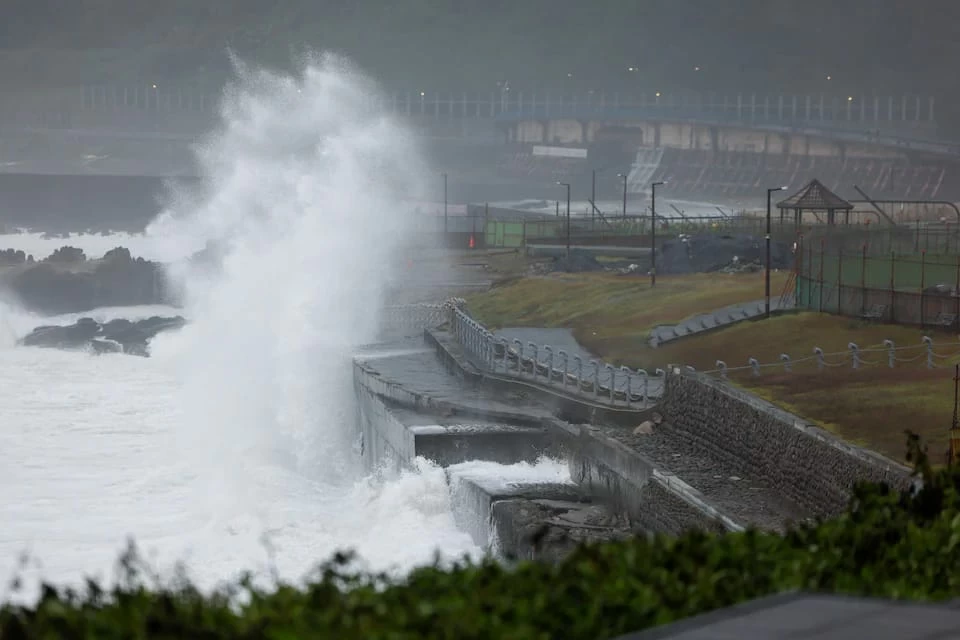
دخلت تايوان في حالة استنفار واسعة، (الجمعة)، مع اقتراب إعصار «تشامبي» المصحوب برياح عاتية وأمطار غزيرة، ما دفع السلطات إلى إغلاق معظم أنحاء الجزيرة، وإجلاء آلاف السكان من المناطق الجبلية، وسط مخاوف من فيضانات واسعة النطاق، رغم التراجع التدريجي في قوة العاصفة.
وأعلنت السلطات التايوانية مقتل شخص وإصابة 171 آخرين جراء تداعيات الإعصار، فيما جرى إجلاء 2639 شخصاً من المناطق الجبلية، في إطار الإجراءات الاحترازية لمواجهة الأحوال الجوية القاسية.
وأفادت شركة تاي باور للكهرباء بانقطاع التيار عن أكثر من 77 ألف منزل، قبل أن تتمكن الفرق المختصة من إعادة الكهرباء إلى معظم المناطق المتضررة.
رياح بسرعة 191 كيلومتراً في الساعة
ورغم أن «تشامبي» فقد بعضاً من قوته بعد أن وصل في وقت سابق إلى مستوى الإعصار فائق القوة، فإنه لا يزال يحمل رياحاً تصل سرعتها إلى نحو 191 كيلومتراً في الساعة بالقرب من مركزه، وفقاً لإدارة الأرصاد الجوية المركزية في تايوان.
وأوضحت الإدارة أن مركز الإعصار كان على بُعد نحو 220 كيلومتراً شرق الجزيرة، فيما تشير التوقعات إلى مروره بمحاذاة شمال شرقي تايوان، قبل أن يتجه شمالاً نحو الساحل الصيني، ثم يواصل مساره باتجاه جنوب اليابان.
لكن خبراء الأرصاد لم يستبعدوا وصول الإعصار مباشرةً إلى اليابسة في تايوان، إذا طرأت تغييرات على مساره خلال اقترابه من الجزيرة.
ونقلت وكالة «رويترز» عن ليو بي تنغ، خبير الأرصاد في إدارة الأرصاد الجوية المركزية، قوله إن احتمال وصول الإعصار إلى اليابسة لا يزال قائماً إذا تباطأت حركته أو اتخذ مساراً دائرياً أو تذبذب من جانب إلى آخر.
وأضاف أن نطاق الرياح المصاحبة للعاصفة واسع للغاية مقارنة بكثير من الأعاصير التي شهدتها المنطقة خلال السنوات الأخيرة، محذراً من أن تباطؤ الإعصار قد يؤدي إلى استمرار تأثير الرياح القوية على تايوان لفترة أطول.
أمطار غزيرة وتحذيرات من الفيضانات
وأصدرت السلطات تحذيرات عبر الهواتف المحمولة في المدن الساحلية، دعت فيها السكان إلى الاحتماء فوراً، مع توقع هبوب هبات رياح تتجاوز سرعتها 150 كيلومتراً في الساعة.
كما حذرت التوقعات من هطول كميات هائلة من الأمطار في المناطق الجبلية الشمالية، بما فيها المناطق المحيطة بالعاصمة تايبيه، إذ قد تقترب كميات الأمطار من متر واحد، ما يرفع مخاطر السيول والانهيارات الأرضية والفيضانات.
وفي مقاطعة ييلان شمال شرقي الجزيرة، حيث اشتدت الرياح والأمطار مع توقع مرور الإعصار بالقرب منها في وقت لاحق (الجمعة)، وزعت السلطات أكياس الرمال، ووضعت مركبات برمائية وقوارب إنقاذ قابلة للنفخ في حالة استعداد للتدخل السريع.
وقال لي مينغ تشين، رئيس بلدة سواو الساحلية، إن الجيش سيتدخل عند الضرورة لمساعدة السكان، بما في ذلك استخدام المركبات البرمائية في عمليات الإجلاء والإغاثة.
وتكتسب هذه الاستعدادات أهمية خاصة في البلدة التي تعرضت لفيضانات شديدة خلال أعاصير سابقة.
وفي مدينة كيلونغ الساحلية شمالي تايوان، سارع أصحاب القوارب إلى تأمين سفنهم تحسباً لتفاقم الأحوال الجوية.
وقال ليو يو إن، البالغ من العمر 18 عاماً ويعمل في قطاع البناء، إن الوضع لم يكن شديد الخطورة حتى ذلك الوقت، لكنه أعرب عن قلقه من الفيضانات، مشيراً إلى أن المدينة شهدت حالات غمر بالمياه عدة مرات خلال العام الحالي.
نطاق الإعصار يشمل معظم الجزيرة
وحذر خبراء الأرصاد في تايوان من أن نطاق الرياح المصاحبة لـ«تشامبي» يبلغ نحو 320 كيلومتراً، وهو اتساع يكفي للتأثير على معظم أنحاء الجزيرة، فيما توقع خبراء الطقس أن تستمر تداعيات العاصفة قرابة يومين.
وفي إطار التدابير الاحترازية، أغلقت الأسواق المالية التايوانية أبوابها (الجمعة)، كما أُلغيت جميع الرحلات الجوية الداخلية البالغ عددها 262 رحلة، إلى جانب 717 رحلة دولية، وفقاً لوزارة النقل.
في المقابل، استمرت خدمات القطارات فائقة السرعة التي تربط شمال الجزيرة بجنوبها بصورة طبيعية، بينما واصلت وسائل النقل العام في العاصمة تايبيه، بما فيها مترو الأنفاق، العمل مع تقليص مستوى الخدمة.
واستثنت السلطات جزر كينمن الخاضعة للإدارة التايوانية، والواقعة قبالة الساحل الصيني، من إجراءات الإغلاق، إذ تقرر استمرار العمل في المدارس والمكاتب كالمعتاد هناك.
ورغم أن تايوان تتمتع عموماً باستعدادات متقدمة لمواجهة الأعاصير، وهو ما يسهم في الحد من الخسائر البشرية، فإن هذه العواصف لا تقتصر على أشهر الصيف، بل يمكن أن تضرب الجزيرة خلال فصل الخريف أيضاً.
اليابان تترقب مسار الإعصار
وفي إطار تحركه المتوقع شمالاً، يُرجح أن يمر الإعصار أولاً فوق جزيرة يوناغوني، الواقعة في أقصى غرب اليابان والمأهولة بالسكان، ضمن محافظة أوكيناوا، قبل مواصلة مساره المتوقع باتجاه مناطق أخرى.
وتبقى حركة «تشامبي» خلال الساعات القادمة عاملاً حاسماً في تحديد حجم الأضرار المحتملة، خصوصاً إذا تباطأت سرعته أو تغير مساره، بما قد يطيل فترة تعرض تايوان للرياح العنيفة والأمطار الغزيرة.
Taiwan has entered a state of wide alert on Friday, as Typhoon "Chami" approaches, bringing strong winds and heavy rains, prompting authorities to close most areas of the island and evacuate thousands of residents from mountainous regions, amid fears of widespread flooding, despite the gradual weakening of the storm.
The Taiwanese authorities announced that one person has died and 171 others have been injured due to the aftermath of the typhoon, while 2,639 people have been evacuated from mountainous areas as part of precautionary measures to face the severe weather conditions.
Tai Power reported power outages affecting more than 77,000 homes, before specialized teams managed to restore electricity to most of the affected areas.
Winds of 191 kilometers per hour
Although "Chami" has lost some of its strength after previously reaching super typhoon status, it still carries winds of about 191 kilometers per hour near its center, according to Taiwan's Central Weather Bureau.
The bureau indicated that the center of the typhoon was about 220 kilometers east of the island, with forecasts suggesting it will pass along northeastern Taiwan before heading north towards the Chinese coast, and then continue its path towards southern Japan.
However, meteorological experts did not rule out the possibility of the typhoon making landfall directly in Taiwan if changes occur in its path as it approaches the island.
Reuters quoted Liu Bi Teng, a meteorologist at the Central Weather Bureau, stating that the possibility of the typhoon making landfall remains if it slows down or takes a circular path or oscillates from side to side.
He added that the range of winds associated with the storm is extremely wide compared to many typhoons that have affected the region in recent years, warning that a slowdown in the typhoon could prolong the impact of strong winds on Taiwan.
Heavy rains and flood warnings
The authorities issued warnings via mobile phones in coastal cities, urging residents to seek shelter immediately, with expectations of wind gusts exceeding 150 kilometers per hour.
Forecasts also warned of massive rainfall in the northern mountainous areas, including regions surrounding the capital Taipei, where rainfall amounts could approach one meter, raising the risks of flash floods, landslides, and flooding.
In Yilan County, northeastern Taiwan, where winds and rains intensified with the expectation of the typhoon passing nearby later on Friday, authorities distributed sandbags and prepared amphibious vehicles and inflatable rescue boats for rapid intervention.
Li Ming Chen, the mayor of the coastal town of Su'ao, stated that the military would intervene if necessary to assist residents, including using amphibious vehicles for evacuation and relief operations.
These preparations are particularly important in the town, which has experienced severe flooding during previous typhoons.
In the coastal city of Keelung in northern Taiwan, boat owners rushed to secure their vessels in anticipation of worsening weather conditions.
18-year-old Liu You En, who works in construction, said that the situation had not been extremely dangerous up to that point, but he expressed concern about flooding, noting that the city has experienced water inundation several times this year.
The typhoon's range covers most of the island
Meteorological experts in Taiwan warned that the range of winds associated with "Chami" is about 320 kilometers, which is wide enough to affect most parts of the island, while weather experts predicted that the storm's effects would last for about two days.
As part of precautionary measures, Taiwan's financial markets closed on Friday, and all 262 domestic flights were canceled, along with 717 international flights, according to the Ministry of Transportation.
In contrast, high-speed train services connecting the north and south of the island continued normally, while public transport in the capital Taipei, including the subway, operated with reduced service levels.
The authorities exempted the Kinmen Islands, administered by Taiwan and located off the Chinese coast, from closure measures, deciding to keep schools and offices operating as usual there.
Although Taiwan generally has advanced preparations to face typhoons, which helps reduce human losses, these storms are not limited to the summer months, as they can also strike the island during the autumn.
Japan braces for the typhoon's path
As it is expected to move northward, the typhoon is likely to first pass over Yonaguni Island, located in the far west of Japan and inhabited, within Okinawa Prefecture, before continuing its expected path towards other areas.
The movement of "Chami" in the coming hours remains a critical factor in determining the extent of potential damage, especially if it slows down or changes course, which could prolong Taiwan's exposure to strong winds and heavy rains.