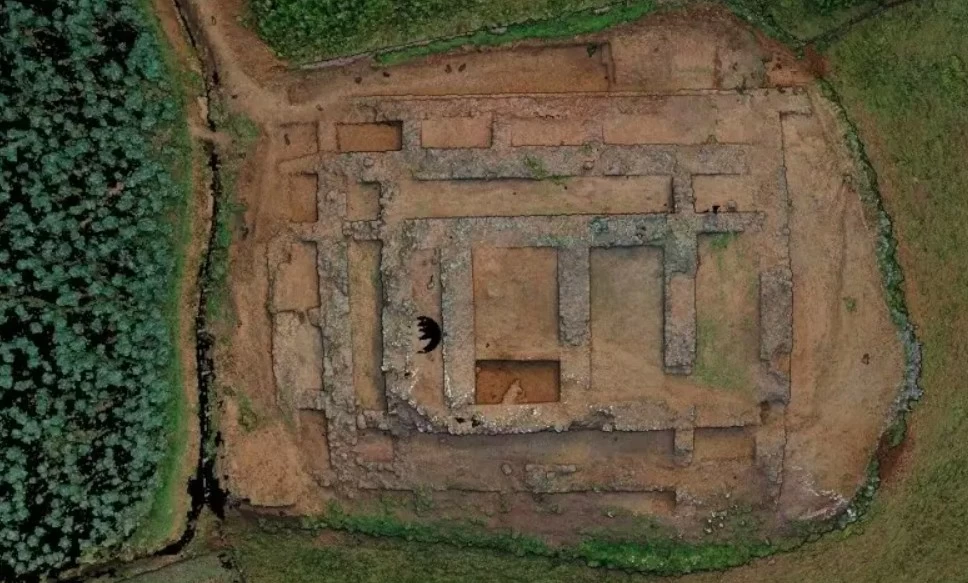
كشف فريق من علماء الآثار، بقيادة خبراء إيطاليين، عن بقايا مبنى أثري ضخم يبلغ طوله نحو 100 متر وعرضه أكثر من 50 متراً، في منطقة جانديال قرب مدينة تاكسيلا التاريخية شمالي باكستان، في اكتشاف قد يسهم في إعادة فهم التخطيط العمراني والحياة الدينية والاجتماعية لحضارة غاندارا القديمة.
وأعلنت السلطات الأثرية الباكستانية أن أعمال التنقيب كشفت عن جدران ضخمة لمبنى ظل مجهول التفاصيل لأكثر من قرن، فيما لا يزال الباحثون يحاولون تحديد عمره ووظيفته الأصلية، وما إذا كان منشأة دينية أو مبنى عاماً.
مبنى غامض ظل دون دراسة لأكثر من 160 عاماً
ويقع المبنى المكتشف، الذي أطلق عليه الباحثون اسم «جانديال دي» (Jandial D)، خارج أسوار مدينة سيركاب الأثرية، مقابل معبد جانديال الشهير بطرازه المعماري المستوحى من المعابد اليونانية القديمة.
ورغم أن عالم الآثار البريطاني ألكسندر كننغهام أشار إلى الموقع لأول مرة عام 1864، فإنه ظل دون دراسة أثرية تفصيلية، كما اعتبره عالم الآثار جون مارشال عام 1911 مجرد كومة من الأطلال لا تستحق اهتماماً كبيراً.
لكن أعمال التنقيب التي بدأت منتصف أغسطس 2026 كشفت عن بقايا منشأة ضخمة، ترتفع بعض جدرانها المكتشفة إلى متر واحد على الأقل، ما دفع الباحثين إلى إعادة تقييم أهمية الموقع التاريخية.
بعثة إيطالية تقود أعمال التنقيب
ويقود أعمال التنقيب عالم الآثار الإيطالي لوكا ماريا أوليفييري، بالتعاون مع المديرية العامة للآثار والمتاحف في إقليم خيبر بختونخوا الباكستاني، وبدعم من الوكالة الإيطالية للتعاون الإنمائي.
وأوضح المدير العام للآثار والمتاحف في الإقليم، الدكتور عبدالصمد، أن ضخامة المبنى وموقعه يجعلان منه اكتشافاً مهماً، خصوصاً أنه يقع على امتداد الطريق القديم الذي كان يربط البوابة الشمالية لمدينة سيركاب بمناطق حضارة غاندارا.
وأشار إلى أن الأبحاث القادمة ستركز على تحديد طبيعة المبنى وعلاقته بالمعبد المجاور، وما إذا كان جزءاً من مجمع ديني أو إداري أو منشأة ذات وظيفة أخرى.
موقع يكشف تداخل الحضارات القديمة
وتُعد تاكسيلا من أبرز المراكز الحضارية القديمة في جنوب آسيا، إذ شكلت ملتقى للتجارة والمعرفة والتبادل الثقافي بين شبه القارة الهندية وآسيا الوسطى وبلاد فارس والعالم اليوناني.
ويتميز معبد جانديال القريب من موقع الاكتشاف بعناصر معمارية يونانية، بينها الأعمدة الأيونية، وهو ما يعكس التأثيرات الحضارية المتعددة التي شهدتها المنطقة عبر قرون.
ويرجح الباحثون أن المعبد المعروف يعود إلى القرن الأول قبل الميلاد تقريباً، لكنهم يؤكدون أن هذا التاريخ لا يمكن نسبته تلقائياً إلى المبنى المكتشف حديثاً، الذي لا يزال عمره قيد البحث.
هل كان معبداً أم منشأة عامة؟
ورغم الحجم الكبير للمبنى، لم يتمكن علماء الآثار حتى الآن من تحديد الغرض الذي شُيّد من أجله.
ويبحث الفريق في احتمالات استخدامه منشأة دينية أو مبنى عاماً، إلى جانب دراسة تصميمه المعماري وطبيعة المواد المستخدمة في بنائه.
وأكد المسؤولون أن تحديد وظيفة المبنى يتطلب مزيداً من الحفريات والفحوص العلمية، ومقارنة النتائج بالمنشآت المعروفة في المنطقة.
ويأمل الباحثون أن تسهم الاكتشافات القادمة في تقديم صورة أوضح عن الحياة العمرانية في تاكسيلا القديمة، والكشف عن جوانب جديدة من التفاعل بين الحضارات التي تعاقبت على المنطقة.
A team of archaeologists, led by Italian experts, has uncovered the remains of a massive archaeological building measuring about 100 meters long and over 50 meters wide, in the Jandial area near the historic city of Taxila in northern Pakistan. This discovery could contribute to a renewed understanding of the urban planning and religious and social life of the ancient Gandhara civilization.
The Pakistani archaeological authorities announced that the excavation revealed massive walls of a building that had remained unknown in detail for over a century, while researchers are still trying to determine its age and original function, and whether it was a religious facility or a public building.
A Mysterious Building Left Undisturbed for Over 160 Years
The discovered building, which researchers have named "Jandial D," is located outside the walls of the ancient city of Sirkap, opposite the famous Jandial temple known for its architectural style inspired by ancient Greek temples.
Although British archaeologist Alexander Cunningham first noted the site in 1864, it remained without detailed archaeological study, and archaeologist John Marshall considered it in 1911 merely a pile of ruins not worthy of significant attention.
However, excavation work that began in mid-August 2026 revealed the remains of a massive facility, with some of its discovered walls rising at least one meter high, prompting researchers to reassess the historical significance of the site.
An Italian Mission Leads the Excavation
The excavation is led by Italian archaeologist Luca Maria Olivieri, in collaboration with the Directorate General of Archaeology and Museums in the Khyber Pakhtunkhwa province of Pakistan, and with support from the Italian Agency for Development Cooperation.
The Director General of Archaeology and Museums in the province, Dr. Abdul Samad, explained that the size of the building and its location make it an important discovery, especially since it lies along the ancient road that connected the northern gate of Sirkap with areas of the Gandhara civilization.
He noted that upcoming research will focus on determining the nature of the building and its relationship to the adjacent temple, and whether it was part of a religious or administrative complex or served another function.
A Site Revealing the Intermingling of Ancient Civilizations
Taxila is considered one of the most prominent centers of ancient civilization in South Asia, as it served as a crossroads for trade, knowledge, and cultural exchange between the Indian subcontinent, Central Asia, Persia, and the Greek world.
The nearby Jandial temple, close to the discovery site, features Greek architectural elements, including Ionic columns, reflecting the multiple cultural influences that the region has experienced over the centuries.
Researchers believe that the well-known temple dates back to around the first century BC, but they emphasize that this date cannot be automatically attributed to the recently discovered building, whose age is still under investigation.
Was it a Temple or a Public Facility?
Despite the large size of the building, archaeologists have not yet been able to determine the purpose for which it was constructed.
The team is exploring the possibilities of its use as a religious facility or a public building, alongside studying its architectural design and the nature of the materials used in its construction.
Officials confirmed that determining the function of the building requires further excavations and scientific examinations, and comparing the results with known facilities in the region.
Researchers hope that upcoming discoveries will contribute to providing a clearer picture of urban life in ancient Taxila and reveal new aspects of the interactions between the civilizations that succeeded one another in the area.