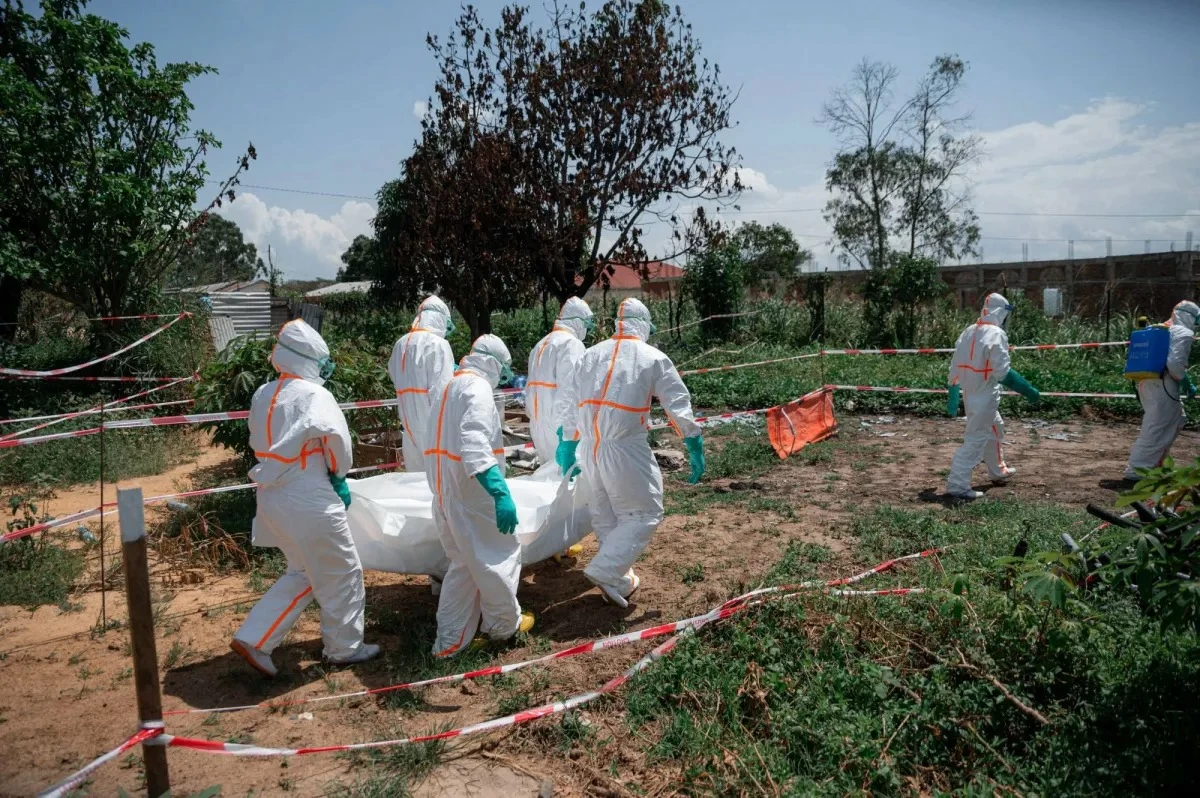
أعلنت السلطات الصحية في كينيا تسجيل أول حالة مؤكدة للإصابة بفايروس الإيبولا في البلاد، بعد وصول مواطن كيني كان يقيم في جمهورية الكونغو الديمقراطية إلى العاصمة نيروبي (السبت)، قبل أن تتدهور حالته الصحية ويفارق الحياة.
وقال وزير الصحة الكيني أدين دوال خلال مؤتمر صحفي، إن المصاب كان يعيش في الكونغو الديمقراطية، التي تشهد تفشياً واسعاً للمرض، قبل عودته إلى كينيا.
وأضاف الوزير أن السلطات حددت حتى الآن 28 شخصاً خالطوا المصاب، بينهم أفراد من أسرته وعدد من العاملين في المجال الصحي، في إطار جهود احتواء أي انتقال محتمل للعدوى.
تفشٍ واسع في الكونغو الديمقراطية
وتأتي الحالة الكينية الجديدة في وقت تواجه فيه جمهورية الكونغو الديمقراطية أكبر تفشٍ لفايروس الإيبولا تشهده البلاد، وهو تفشٍ ناجم عن سلالة بونديبوغيو (Bundibugyo) النادرة من الفايروس.
وأعلنت السلطات في الكونغو الديمقراطية تفشي المرض رسمياً في منتصف مايو، بينما تشير المعطيات إلى أن الإصابات ربما بدأت قبل ذلك بعدة أشهر.
وسجلت البلاد حتى الآن أكثر من 8000 إصابة وأكثر من 4000 وفاة، في ظل استمرار جهود السلطات الصحية والمنظمات الدولية للسيطرة على انتشار الفايروس.
الإيبولا سبق أن وصل إلى أوغندا
وكان تفشي المرض قد امتد في وقت سابق إلى أوغندا، التي سجلت 20 إصابة ووفاتين، لكن منظمة الصحة العالمية أعلنت في أغسطس خلو أوغندا من الإيبولا، بعد انتهاء فترة المراقبة المطلوبة وعدم تسجيل إصابات جديدة وفق المعايير الصحية المعتمدة.
ويثير تسجيل إصابة مؤكدة في كينيا مخاوف من انتقال الفايروس عبر الحدود، خصوصاً مع حركة السفر والتنقل بين دول المنطقة، ولا سيما تلك التي تشهد تفشيات نشطة أو حديثة للمرض.
كيف ينتقل فايروس الإيبولا؟
ينتقل فايروس الإيبولا بشكل أساسي من خلال الاتصال المباشر بسوائل الجسم لشخص مصاب، سواء كان على قيد الحياة أو بعد وفاته.
وقد تبدأ الإصابة بأعراض مثل الحمى والقيء والإسهال، بينما يمكن أن تتطور الحالات الشديدة إلى نزيف داخلي أو خارجي ومضاعفات قد تكون مميتة.
وبعد تسجيل الحالة الأولى في كينيا، تركز السلطات الصحية حالياً على مراقبة المخالطين الـ28، وتحديد أي شخص آخر ربما تعرض للعدوى، في محاولة لمنع انتشار المرض داخل البلاد.
The health authorities in Kenya have announced the registration of the first confirmed case of Ebola virus infection in the country, following the arrival of a Kenyan citizen who had been residing in the Democratic Republic of Congo to the capital Nairobi (on Saturday), before his health deteriorated and he passed away.
Kenyan Health Minister Aden Duale stated during a press conference that the infected individual had been living in the Democratic Republic of Congo, which is experiencing a widespread outbreak of the disease, before returning to Kenya.
The minister added that authorities have so far identified 28 individuals who came into contact with the infected person, including family members and several healthcare workers, as part of efforts to contain any potential transmission of the infection.
Widespread outbreak in the Democratic Republic of Congo
The new Kenyan case comes at a time when the Democratic Republic of Congo is facing the largest outbreak of the Ebola virus the country has seen, caused by the rare Bundibugyo strain of the virus.
Authorities in the Democratic Republic of Congo officially declared the outbreak in mid-May, while data suggests that infections may have begun several months prior.
The country has recorded over 8,000 cases and more than 4,000 deaths so far, as efforts by health authorities and international organizations continue to control the spread of the virus.
Ebola has previously reached Uganda
The outbreak had previously extended to Uganda, which recorded 20 cases and two deaths, but the World Health Organization announced in August that Uganda was free of Ebola, after the required monitoring period ended without any new cases reported according to established health standards.
The confirmation of a case in Kenya raises concerns about the potential cross-border transmission of the virus, especially with the movement of travel and transit between countries in the region, particularly those experiencing active or recent outbreaks of the disease.
How is the Ebola virus transmitted?
The Ebola virus is primarily transmitted through direct contact with the bodily fluids of an infected person, whether alive or deceased.
Infection may begin with symptoms such as fever, vomiting, and diarrhea, while severe cases can develop into internal or external bleeding and complications that may be fatal.
Following the registration of the first case in Kenya, health authorities are currently focusing on monitoring the 28 contacts and identifying any other individuals who may have been exposed to the infection, in an attempt to prevent the spread of the disease within the country.