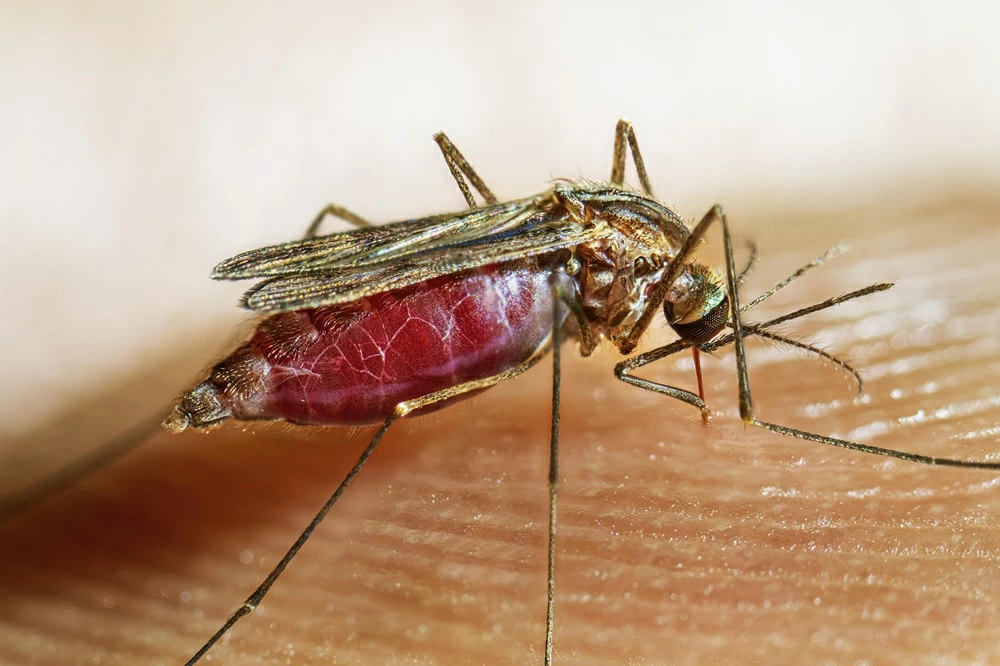
خلصت مراجعة علمية أعدها باحثون من جامعة موناش الأسترالية إلى أن تغير المناخ قد يؤثر في أنماط انتشار الأمراض المنقولة بالبعوض، بما فيها حمى الضنك والملاريا.
ونشرت الدراسة في مجلة Science Advances، واستعرضت العوامل البيئية والوبائية والاجتماعية والاقتصادية المرتبطة بانتقال هذه الأمراض.
وأوضحت الدراسة أن تغير درجات الحرارة والظروف البيئية يمكن أن يؤثر في نطاق انتشار أنواع البعوض الناقلة للأمراض.
وأكد الباحثون أهمية تعزيز إجراءات مكافحة النواقل، وتطوير اللقاحات، وتحسين أنظمة الرصد والاستجابة الصحية. وتناولت الدراسة العلاقة بين تغير المناخ والعبء الصحي المتزايد الناجم عن الأمراض المنقولة بالنواقل.
وأشار الباحثون إلى أن الحد من ارتفاع درجات الحرارة العالمية يمثل أحد الإجراءات التي يمكن أن تسهم في تقليل المخاطر الصحية المستقبلية.
A scientific review conducted by researchers from Monash University in Australia concluded that climate change may affect the patterns of transmission of mosquito-borne diseases, including dengue fever and malaria.
The study was published in the journal Science Advances and examined the environmental, epidemiological, social, and economic factors associated with the transmission of these diseases.
The study indicated that changes in temperature and environmental conditions could influence the range of mosquito species that transmit diseases.
The researchers emphasized the importance of enhancing vector control measures, developing vaccines, and improving health surveillance and response systems. The study addressed the relationship between climate change and the increasing health burden caused by vector-borne diseases.
The researchers noted that limiting the rise in global temperatures represents one of the measures that could help reduce future health risks.