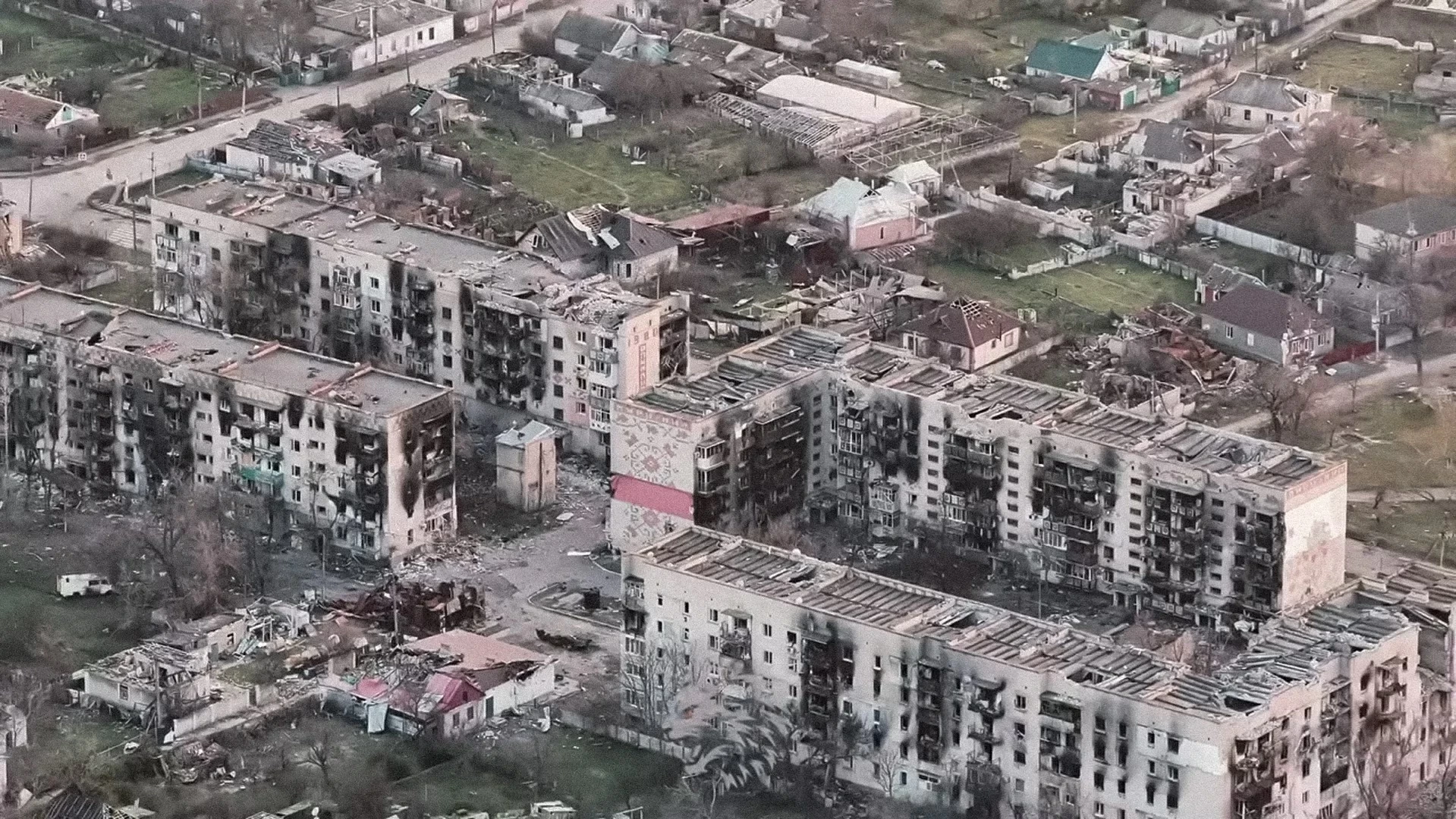
في بلدة أوليشكي الصغيرة الواقعة على الضفة اليسرى لنهر دنيبر في أوكرانيا، يبدو الزمن كأنه توقف عند محطة الموت البطيء. فبعد أن كان يقطنها نحو 24 ألف نسمة قبل اندلاع الحرب، لم يتبقَ فيها اليوم سوى 2000 شخص يعيشون وسط ركام المنازل المدمرة، وتحت وطأة حصار خانق يفرضه الاحتلال الروسي، محاطين بالألغام والمسيّرات التي تطارد خطواتهم.
ووفق تقارير إعلامية محلية، تحولت الحياة اليومية في أوليشكي إلى صراع مرير من أجل البقاء. فمنذ تفجير محطة كاخوفكا الكهرومائية في يونيو 2023 وما تلاه من فيضانات أغرقت 90% من البلدة، انقطعت مقومات الحياة الأساسية من كهرباء وغاز ومياه جارية.
- شبح الجوع: تؤكد شهادات السكان أن آخر شحنة غذائية رسمية دخلت البلدة تعود إلى مايو 2023. ومع إغلاق المتاجر، يعتمد من تبقى في البلدة على ما تزرعه أيديهم في الحدائق، بينما وصل الأمر بالبعض (وفقاً لشهادات الأقارب) إلى الاضطرار في بعض المواسم إلى تناول أوراق الشجر أو العشب للبقاء على قيد الحياة.
- انهيار الرعاية الصحية: المستشفى المحلي يكاد يكون متوقفاً تماماً، فهو مكتظ بالمصابين والجنود الروس مع غياب تام للكوادر والأدوية. حتى أبسط المسكنات مثل الباراسيتامول باتت «كنزاً مفقوداً»، وتوفيت أعداد كبيرة من المرضى وكبار السن في منازلهم دون القدرة على طلب الإسعاف.
لم يعد الخروج من المنازل في أوليشكي أمراً عادياً، بل مغامرة محفوفة بالموت المحقق. فالطرقات الرئيسية والفرعية ملغومة بالكامل، وتحلق الطائرات المسيرة الروسية بشكل مستمر فوق الأنقاض والشوارع لترصد أي حركة للمدنيين وتستهدفهم، بحسب وسائل الإعلام المحلية.
ويروي شهود عيان، تمكنوا من الفرار بصعوبة بالغة، أن الجثث تظل أحياناً ملقاة في الشوارع لفترات طويلة لعدم وجود مشرحة عاملة أو قدرة على دفنها بسبب استهداف المقابر والألغام المحيطة بها، بينما يضطر الأهالي لدفن موتاهم سراً وبشكل سطحي في باحات المنازل.
وإلى جانب الجوع والخطر الميداني، يعاني السكان من إرهاب أمني مستمر:
- التفتيش والمراقبة: تُفرض على الأهالي إجراءات صارمة، تشمل إجبارهم على استخدام شرائح الاتصال والهواتف الروسية، وتفتيش الأجهزة بشكل دوري للبحث عن أي محادثات أو تطبيقات أوكرانية تعرض أصحابها للاعتقال الفوري.
- استحالة المغادرة: بات الهروب من جحيم أوليشكي رحلة شبه مستحيلة ومكلفة للغاية، تتطلب المرور عبر طرق وعرة ومخاطر الألغام وعمليات فرز أمني قاسية عبر القرم وروسيا وبيلاروسيا، مما يجعل الكثيرين (وخاصة كبار السن) محاصرين إلى الأبد.
تظل صرخات أهالي أوليشكي والقرى المجاورة مثل هولا بريستان ورادينسك حبيسة الرسائل القصيرة المتقطعة عبر تطبيقات التراسل، في انتظار أمل بعيد لنهاية كابوس يبتلع ما تبقى من حياتهم اليومية.
In the small town of Olishki, located on the left bank of the Dnieper River in Ukraine, time seems to have stopped at the station of slow death. After having a population of about 24,000 before the outbreak of the war, only 2,000 people remain today, living amidst the rubble of destroyed homes, under the weight of a suffocating siege imposed by the Russian occupation, surrounded by mines and drones that chase their every step.
According to local media reports, daily life in Olishki has turned into a bitter struggle for survival. Since the explosion of the Kakhovka hydroelectric station in June 2023 and the subsequent floods that submerged 90% of the town, the basic necessities of life such as electricity, gas, and running water have been cut off.
- The specter of hunger: Residents' testimonies confirm that the last official food shipment to the town dates back to May 2023. With shops closed, those who remain in the town rely on what they grow with their own hands in gardens, while some (according to relatives' testimonies) have been forced in certain seasons to eat leaves or grass to survive.
- Collapse of healthcare: The local hospital is almost completely non-functional, overcrowded with injured individuals and Russian soldiers, with a complete lack of staff and medicine. Even the simplest painkillers like paracetamol have become a "lost treasure," and many patients and elderly people have died in their homes without being able to call for an ambulance.
Going out of homes in Olishki is no longer a normal occurrence, but rather an adventure fraught with certain death. The main and secondary roads are fully mined, and Russian drones continuously fly over the rubble and streets to monitor any movement of civilians and target them, according to local media.
Eyewitnesses, who managed to escape with great difficulty, recount that corpses sometimes lie in the streets for long periods due to the lack of a functioning morgue or the ability to bury them because of the targeting of cemeteries and the mines surrounding them, while families are forced to bury their dead secretly and shallowly in their yards.
Alongside hunger and the field danger, residents suffer from ongoing security terror:
- Search and surveillance: Strict measures are imposed on residents, including forcing them to use Russian SIM cards and phones, and periodically searching devices for any Ukrainian conversations or applications that could lead to immediate arrest.
- Impossibility of leaving: Escaping the hell of Olishki has become an almost impossible and extremely costly journey, requiring passage through rough roads, mine dangers, and harsh security screenings through Crimea, Russia, and Belarus, leaving many (especially the elderly) trapped forever.
The cries of the people of Olishki and the neighboring villages like Hula Brystan and Radynsk remain confined to sporadic text messages through messaging apps, waiting for a distant hope for an end to the nightmare that is consuming what remains of their daily lives.