تواجه منظومة مالية في جزر الكاريبي تدقيقاً قانونياً صارماً، على خلفية تورطها في عملية تمويل ضخمة لصالح تكتل إعلامي مكسيكي شهير. وتشير وثائق قضائية قدمت حديثاً أمام محاكم ولاية فلوريدا الأمريكية إلى وجود شبهات تلاعب تهدف إلى الالتفاف على حقوق الدائنين وسط تعثرات اقتصادية متلاحقة.
تعود جذور الأزمة إلى تعثر شركة «تلفزيون أزتكا» المكسيكية عن سداد التزامات مالية تتجاوز سقف 630 مليون دولار لصالح جهات استثمارية كبرى يمثلها أحد المصارف الأمريكية. وقبيل البدء الفعلي بإجراءات الإعسار وإعادة هيكلة الديون، نجحت الشبكة الإعلامية في الحصول على دعم مالي جديد بقيمة 290 مليون دولار من مؤسسة مالية خارجية تحمل اسم «ألتربانك» وتتخذ من جزيرة سانت لوسيا مقراً لها.
هذا القرض استوجب شروطاً تمنح الجهة المقرضة الأولوية المطلقة في استرداد الأموال، الأمر الذي دفع البنك الأمريكي المدعي إلى الطعن في مشروعية المعاملة. ويركز التحقيق القضائي على تباين هائل بين حجم التمويل الضخم الممنوح، وبين القدرات الفعلية للمصرف الخارجي الذي يدار بطريقة مصغرة ويفتقر إلى العمليات التشغيلية التقليدية أو رأس المال المناسب.
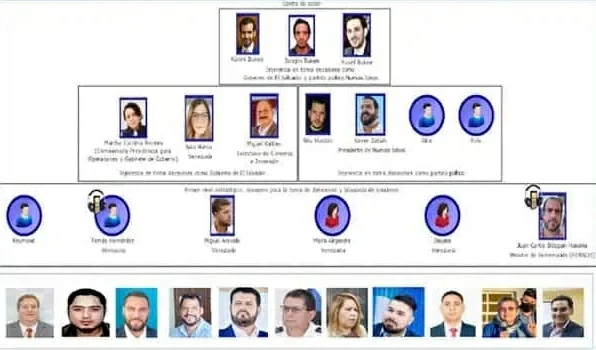
وأظهرت المستندات المرتبطة بالقضية وجود ارتباطات بين ملكية المؤسسة المالية الكاريبية وشخصيات فنزويلية سبق أن واجهت ملاحقات قضائية وملفات فساد في ولايات قضائية مختلفة. ومن أبرز هؤلاء أسماء مرتبطة بدوائر استشارية ولوجستية مقربة من المكتب الرئاسي في السلفادور، حيث تشير التقارير إلى صلات محتملة ببرامج طوارئ حكومية سابقة دار حولها لغط قانوني ومراجعات رقابية تتعلق بعقود توريد غذائية غير مستلمة.
من جانبها، تتمسك القناة التلفزيونية مع التكتل الإعلامي المكسيكي بذات الموقف القانوني، مؤكدة أن كافة عمليات التمويل تمت في إطار الشفافية والوضوح وتم توجيه عوائدها نحو تسوية التزامات ضريبية معلنة. ومع ذلك، يصر المدعون على المضي قدماً في مقاضاة الأطراف المتداخلة لكشف ملابسات تحويلات مالية يصفونها بالمعقدة والمصممة خصيصاً للتحايل على أحكام الإفلاس التقليدية.
A financial system in the Caribbean is facing strict legal scrutiny due to its involvement in a massive financing operation for a well-known Mexican media conglomerate. Recent court documents submitted to Florida state courts indicate suspicions of manipulation aimed at circumventing creditor rights amid ongoing economic difficulties.
The roots of the crisis trace back to the Mexican company "Televisión Azteca" failing to meet financial obligations exceeding $630 million owed to major investment entities represented by an American bank. Just before the actual commencement of bankruptcy proceedings and debt restructuring, the media network succeeded in obtaining new financial support amounting to $290 million from an external financial institution named "Altrabank," based in Saint Lucia.
This loan required conditions that grant the lending entity absolute priority in recovering funds, prompting the suing American bank to challenge the legitimacy of the transaction. The judicial investigation focuses on a huge disparity between the size of the massive financing granted and the actual capabilities of the external bank, which is managed on a small scale and lacks traditional operational processes or adequate capital.
Documents related to the case revealed connections between the ownership of the Caribbean financial institution and Venezuelan figures who have previously faced legal actions and corruption cases in various jurisdictions. Among the most notable are names linked to advisory and logistical circles close to the presidential office in El Salvador, where reports suggest potential ties to previous government emergency programs that were surrounded by legal controversy and regulatory reviews concerning unreceived food supply contracts.
For its part, the television channel along with the Mexican media conglomerate maintains the same legal stance, asserting that all financing operations were conducted transparently and clearly, with proceeds directed towards settling declared tax obligations. Nevertheless, the plaintiffs insist on proceeding with the prosecution of the involved parties to uncover the circumstances of financial transfers they describe as complex and specifically designed to circumvent traditional bankruptcy rulings.