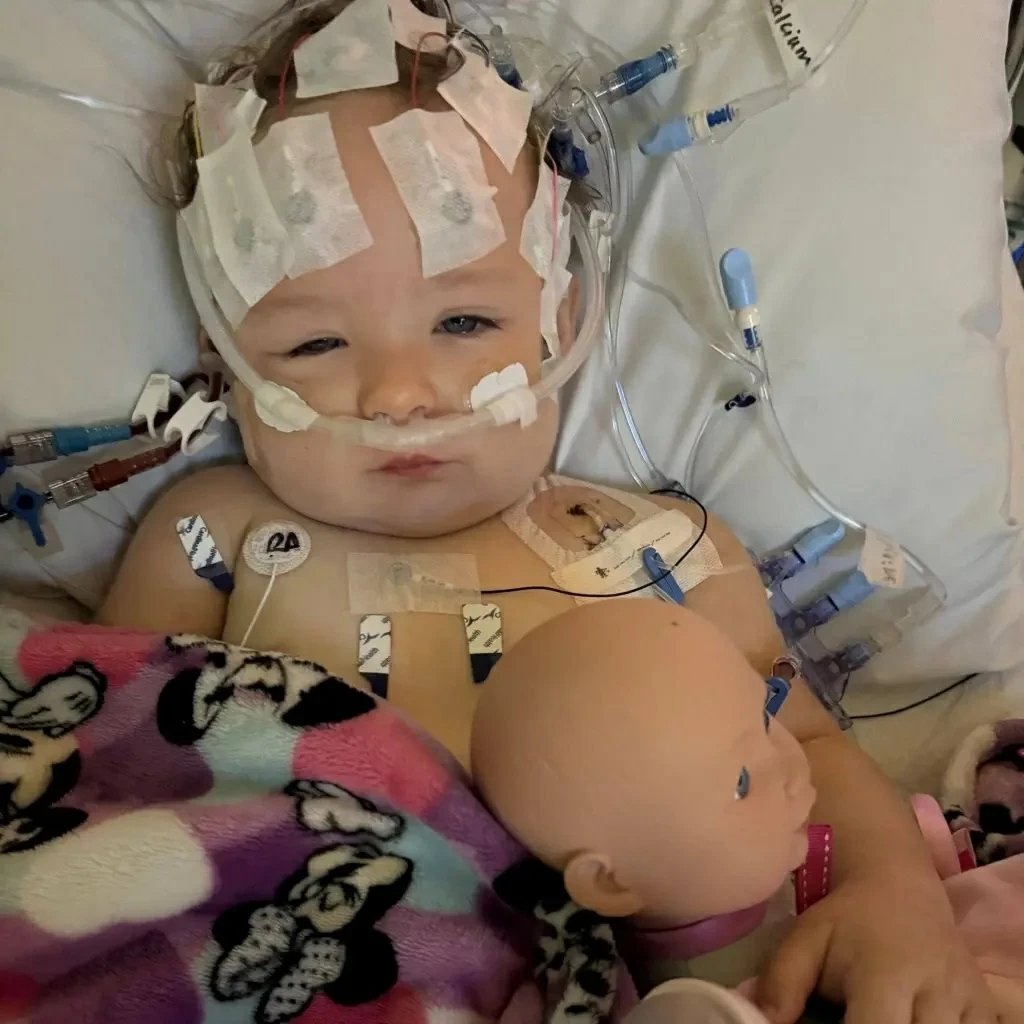
عاشت عائلة أمريكية ساعات عصيبة داخل أروقة العناية المركزة، بعدما كادت طفلة لم تتجاوز عامها الثاني أن تفقد حياتها إثر تناولها حليباً طازجاً غير مبستر، اشترته الأم بناءً على توصيات ترويجية انتشرت عبر مجموعات التواصل الاجتماعي.
وبدأت المأساة عندما طالبت الأم بنصيحة لتحسين هضم طفلتها، لترشدها إحدى المجموعات إلى مزرعة محلية تبيع الحليب الطازج غير المعقم مباشرة للجمهور. وبعد فترة وجيزة من الاستهلاك، أصيبت الطفلة بتسمم بكتيري حاد ناتج عن سلالة خطيرة من بكتيريا «إي كولاي» القاتلة، ما أدى إلى فشل كلوي مفاجئ وتوقف وظائف الجسد الحيوية، لتوضع تحت أجهزة التنفس الصناعي وغسيل الكلى بشكل عاجل.
وفي الوقت الذي كانت فيه طفلة أخرى تواجه المصير ذاته داخل المستشفى نفسه جراء تناول حليب من المزرعة ذاتها، سارعت الأم لتقديم أدلة رسائل نصية تحذر فيها المزرعة وتثبت علم المالكة بأن المنتج يُقدم لأطفال صغار. إلا أن التحقيقات الرسمية اصطدمت بثغرة تنظيمية تعتمد عليها المزارع غير المرخصة، عبر تسجيل منتجاتها شكلياً تحت بند «طعام للحيوانات الأليفة» للتنصل من التفتيش الجنائي والغرامات المباشرة.
واكتفت السلطات الميدانية بإصدار إنذار إداري وإغلاق الملف عقب تقديم المزرعة لعينات سلبية جرى جمعها لاحقاً دون إشراف أمني، ما أثار عاصفة من الاستياء لدى العائلات المتضررة التي قررت مقاضاة المزرعة مدنياً، وسط تحذيرات طبية متزايدة من مخاطر الانسياق خلف الحملات المضللة التي تروج للأغذية غير المعالجة.
An American family lived through harrowing hours inside the intensive care unit after their two-year-old daughter nearly lost her life due to consuming unpasteurized fresh milk, which the mother bought based on promotional recommendations that circulated through social media groups.
The tragedy began when the mother sought advice to improve her daughter's digestion, leading one of the groups to direct her to a local farm that sells fresh unpasteurized milk directly to the public. Shortly after consumption, the child suffered from severe bacterial poisoning caused by a dangerous strain of deadly E. coli bacteria, resulting in sudden kidney failure and a halt in vital bodily functions, necessitating urgent placement on ventilators and dialysis.
At the same time, another child faced the same fate in the same hospital due to consuming milk from the same farm. The mother quickly provided text message evidence warning the farm and proving that the owner was aware that the product was being given to young children. However, official investigations encountered a regulatory loophole that unlicensed farms rely on, by formally registering their products under the category of "pet food" to evade criminal inspections and direct fines.
The field authorities limited themselves to issuing an administrative warning and closing the case after the farm provided negative samples collected later without security oversight, which sparked a storm of outrage among the affected families who decided to sue the farm civilly, amid increasing medical warnings about the dangers of succumbing to misleading campaigns that promote unprocessed foods.