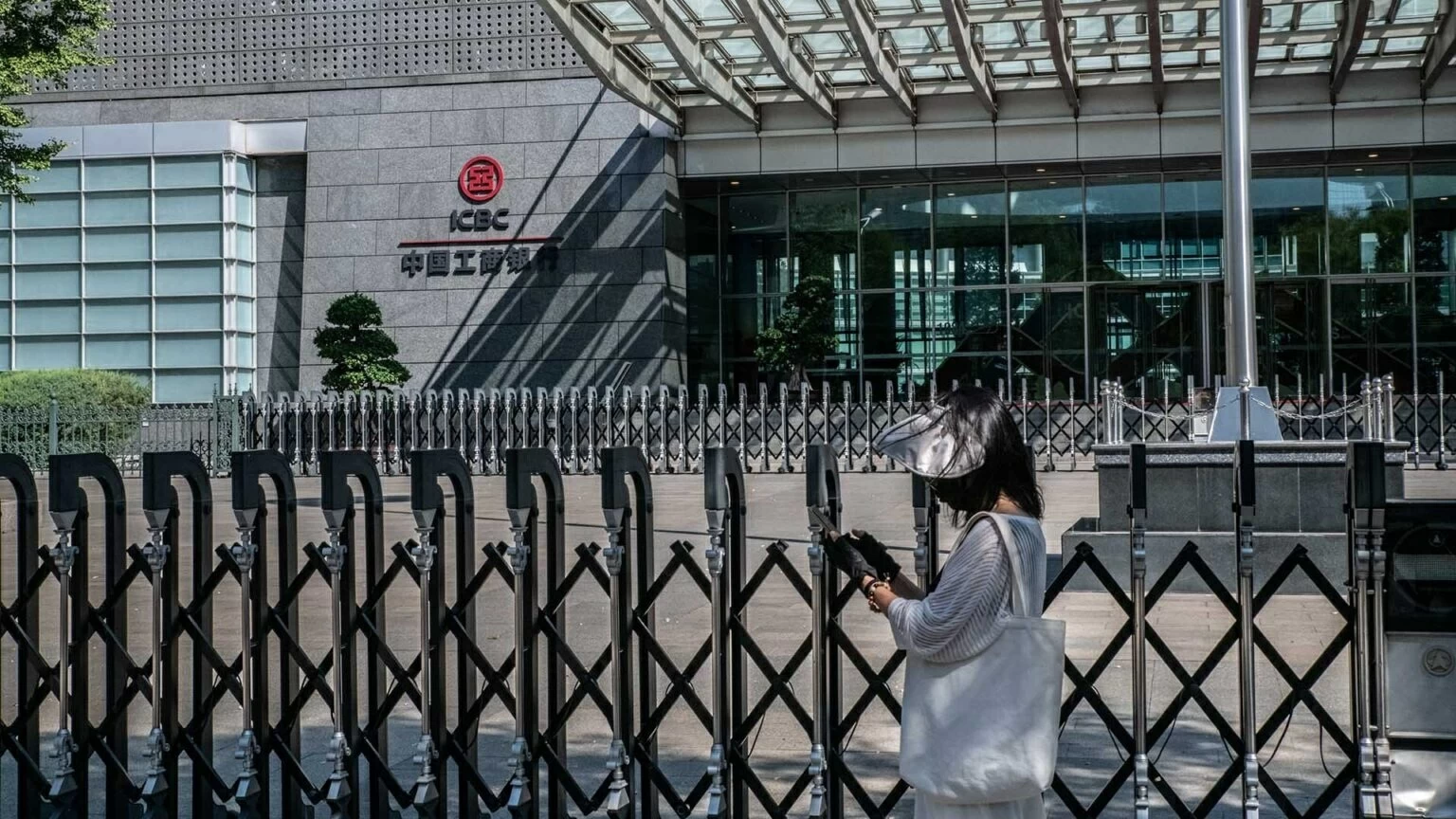
كشف تحقيق استقصائي عالمي يستند إلى أكثر من 4.8 مليون وثيقة سرية تسريبات غير مسبوقة عن آلية إدارة القرارات داخل البنك الصناعي والتجاري الصيني (ICBC)، والذي يعتبر أكبر بنك في العالم من حيث حجم الأصول، موضحاً كيف تتقدم الأولويات السياسية وتوجيهات الحزب الحاكم على القواعد المصرفية والتنظيمية في العديد من دول العالم.
وأظهر التحقيق (الذي شارك فيه نحو 75 صحفياً حول العالم بقيادة الاتحاد الدولي للصحفيين الاستقصائيين) أن البنك أدار صفقات تمويلية ضخمة وإستراتيجية في أربع قارات، شملت مشاريع بنية تحتية وقطاعات تعدين وطاقة، إضافة إلى تقديم تسهيلات لشركات مرتبطة بالمؤسسات العسكرية والتكنولوجية، وذلك لتعزيز النفوذ الجيوسياسي وتأمين الإمدادات للأسواق الصينية.
وبينت الوثائق وجود «لجان حزبية» داخلية تعمل كوحدات تنظيمية توثق توجيهات الدولة داخل أروقة البنك وتصف بعض الكوادر المصرفية بـ«الرفاق»، حيث ينعكس هذا الارتباط في اتخاذ قرارات مالية حاسمة مثل تجميد قروض أو تقديم تسهيلات بأسعار فائدة منخفضة لخدمة أهداف إستراتيجية، إضافة إلى تمويل مشاريع في دول أفريقية وآسيوية وأوروبية لترسيخ التحالفات الاقتصادية.
وتسلط هذه الكشوفات الضوء على كيفية استغلال الفروع الدولية للبنوك للالتفاف على الضوابط التنظيمية المحلية عندما تتضارب مع مصالح الشركات المدعومة من الدولة، مما أثار دعوات من خبراء ومسؤولين في عواصم غربية لتشديد الرقابة وتفعيل آليات إنفاذ عابرة للحدود لمواجهة التداخل بين المال السيادي والنفوذ السياسي.
A global investigative report based on over 4.8 million confidential documents reveals unprecedented leaks about the decision-making mechanisms within the Industrial and Commercial Bank of China (ICBC), which is considered the largest bank in the world by asset size, illustrating how political priorities and directives from the ruling party take precedence over banking and regulatory rules in many countries around the world.
The investigation (in which about 75 journalists from around the world participated, led by the International Consortium of Investigative Journalists) showed that the bank managed massive and strategic financing deals across four continents, including infrastructure projects and sectors such as mining and energy, in addition to providing facilities to companies linked to military and technological institutions, all to enhance geopolitical influence and secure supplies for Chinese markets.
The documents revealed the existence of internal "party committees" that operate as organizational units documenting state directives within the bank's corridors, describing some banking personnel as "comrades." This connection is reflected in making critical financial decisions such as freezing loans or offering facilities at low-interest rates to serve strategic goals, as well as funding projects in African, Asian, and European countries to solidify economic alliances.
These revelations shed light on how international branches of banks exploit local regulatory controls when they conflict with the interests of state-backed companies, prompting calls from experts and officials in Western capitals to tighten oversight and activate cross-border enforcement mechanisms to address the overlap between sovereign wealth and political influence.