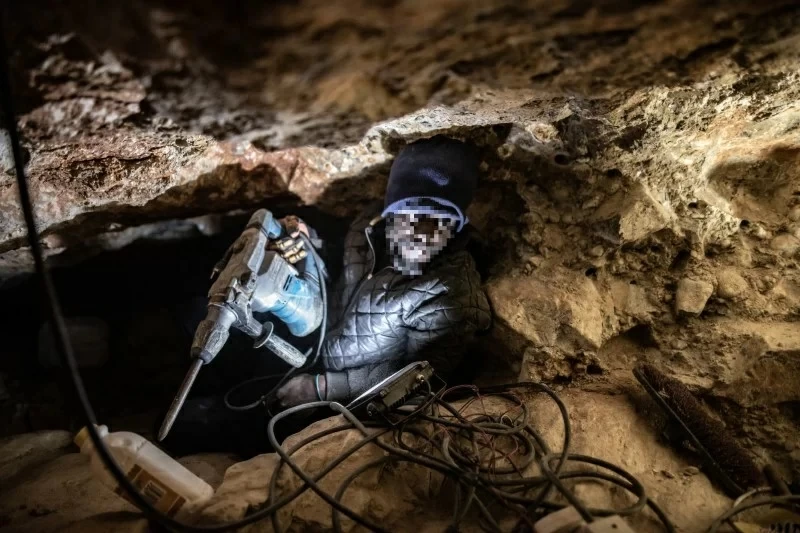
لم تكن نوبة عمل عادية في أعماق الأرض، بل كانت موعداً مأساوياً مع بقايا خطر صامت ظل كامناً لسنوات بين الصخور، حيث تحولت أعماق منجم «إغرم أوسار» بضواحي مدينة مريرت إلى ساحة لمأساة إنسانية صدمت المغرب وفجرت موجة غضب واسعة بين الشارع والجهات الحقوقية.
في حادثة صادمة، كان العمال يمارسون مهامهم الاعتيادية في تثقيب الصخور باستخدام آلة الحفر، دون أن يعلموا أن آلتهم تخترق موقعاً يختبئ فيه لغم قديم من مخلفات المتفجرات لم ينفجر سابقاً. ومع الاحتكاك المباشر، وقع انفجار مدوٍّ تحت الأرض أسفر عن مقتل عاملَين في مكان الحادثة فوراً (بعمر 29 و40 عاماً)، بينما لفظ العامل الثالث (45 عاماً) أنفاسه الأخيرة متأثراً بإصاباته الخطيرة وهو في طريقه إلى المستشفى.
لم تقف الحادثة عند حدود المأساة، إذ انتقدت الجمعية المغربية لحقوق الإنسان ما وصفته بـ«التكتم» الذي طبع الواقعة، مشيرة إلى غياب شروط الصحة والسلامة وقساوة ظروف العمل. ورداً على الفاجعة، خاض العمال مسيرة احتجاجية على الأقدام للتنديد باستمرار الإهمال، وسط تدخلات من السلطات المحلية لإعادة فتح الحوار مع العمال المستمرين في مطالبهم.
ومع تصاعد الغضب الحقوقي والمدني، تعالت المطالبات بفتح تحقيق قضائي وتقني عاجل تحت إشراف النيابة العامة لتحديد المسؤوليات ومحاسبة المقصرين عن ترك المتفجرات دون مسح تقني دقيق. وتشدد الجهات الحقوقية المغربية على ضرورة جبر ضرر عائلات الضحايا الشباب الذين كانوا المعيلين الوحيدين لأسرهم، وتوفير التعويضات المجزية وتأمين الاستقرار الاجتماعي لهم، وضمان عدم تكرار هذه الكوارث تحت الأرض.
This was not an ordinary work shift deep underground; it was a tragic appointment with the remnants of a silent danger that had lain dormant for years among the rocks. The depths of the "Ighrem Oussar" mine on the outskirts of the city of M'rirt turned into a scene of a humanitarian tragedy that shocked Morocco and sparked widespread outrage among the public and human rights organizations.
In a shocking incident, the workers were performing their usual tasks of drilling rocks using a drilling machine, unaware that their equipment was penetrating a site where an old unexploded mine from previous explosives was hidden. With the direct friction, a deafening explosion occurred underground, resulting in the immediate death of two workers at the scene (aged 29 and 40), while the third worker (aged 45) breathed his last, succumbing to his serious injuries on the way to the hospital.
The incident did not stop at the limits of tragedy, as the Moroccan Association for Human Rights criticized what it described as the "secrecy" surrounding the event, pointing to the lack of health and safety conditions and the harsh working conditions. In response to the disaster, the workers staged a protest march on foot to denounce the ongoing neglect, amidst interventions from local authorities to reopen dialogue with the workers who continued to voice their demands.
As civil and human rights anger escalated, calls intensified for an urgent judicial and technical investigation under the supervision of the public prosecutor to determine responsibilities and hold accountable those who neglected to properly clear the explosives. Moroccan human rights organizations emphasize the necessity of compensating the families of the young victims who were the sole providers for their families, providing adequate compensation, ensuring their social stability, and guaranteeing that such underground disasters do not recur.