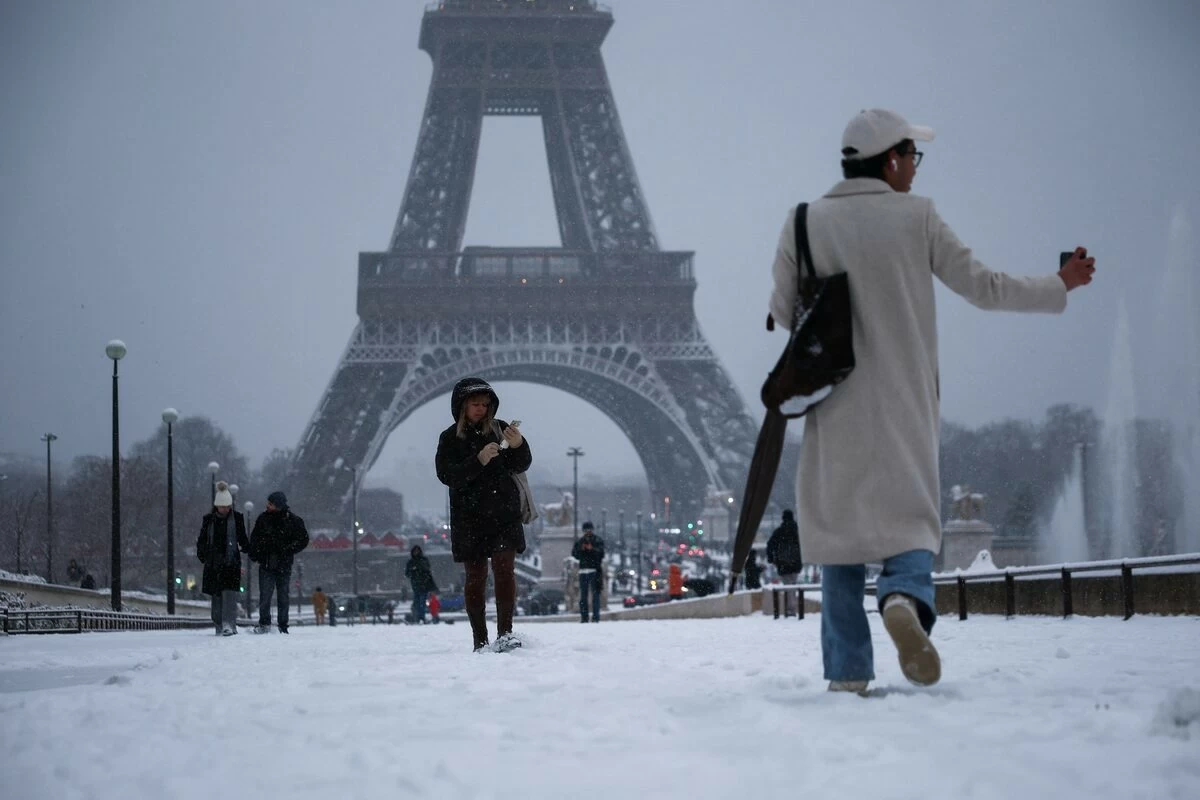
حذر مفوض الطاقة في الاتحاد الأوروبي دان يورغنسن من أن الشتاء القادم قد يكون «الأسوأ» في أوروبا منذ أزمة الطاقة عام 2022، في وقت تواجه فيه أسواق القارة ارتفاعاً حاداً في أسعار الديزل ومخاوف من تراجع الإمدادات.
وقال يورغنسن لصحيفة «فايننشال تايمز» إن أوروبا قد تواجه شتاءً «سيئاً جداً»، مشيراً إلى أن أسعار الديزل سجلت ارتفاعات قياسية خلال الأسابيع الأخيرة وقفزت بنحو 40%، وسط اضطرابات واسعة في سوق الوقود العالمية.
وحذر المسؤول الأوروبي من تداعيات أي قرار أمريكي بفرض قيود على تصدير الديزل، داعياً الرئيس الأمريكي دونالد ترمب إلى الإبقاء على تدفق الإمدادات الأمريكية إلى أوروبا. وقال إن استمرار حركة الطاقة بين الولايات المتحدة وأوروبا بالمستويات الحالية يصب في مصلحة الجانبين.
ويأتي التحذير الأوروبي بعدما أعلن ترمب دعمه لفكرة حظر صادرات الديزل الأمريكية، في ظل ارتفاع الأسعار داخل الولايات المتحدة وضغوط من مشرعين جمهوريين لاتخاذ إجراءات تخفف تكلفة الوقود على المزارعين وسائقي الشاحنات قبل انتخابات التجديد النصفي. وأكدت الإدارة الأمريكية أنها تدرس إمكانية فرض حظر كلي أو جزئي على الصادرات.
وتعتمد أوروبا بدرجة متزايدة على واردات الديزل الأمريكية لتعويض تراجع إمدادات أخرى. وبحسب «الغارديان»، شكلت الولايات المتحدة نحو ثلث واردات أوروبا من الديزل خلال العام الحالي، بينما ارتفعت النسبة إلى نحو نصف الواردات الأوروبية في أغسطس، مع تراجع الإمدادات من مناطق أخرى.
وتزامن ذلك مع تدهور الإمدادات العالمية من وقود الديزل، بعدما أدت الحرب في الشرق الأوسط والهجمات الأوكرانية على منشآت التكرير الروسية والقيود الروسية على صادرات الوقود إلى تقليص المعروض.
وقالت «رويترز» إن العقود الآجلة للديزل الأوروبي تجاوزت أكثر من ضعفي مستويات بداية عام 2026، فيما تعمل العديد من المصافي العالمية عند مستويات مرتفعة من الطاقة الإنتاجية، ما يحد من إمكانية تعويض النقص سريعاً.
وفي أوروبا نفسها، وصلت أسعار الديزل الفعلية إلى مستويات قياسية، إذ سجل سعر الديزل في شمال غرب أوروبا في منتصف سبتمبر أعلى مستوى منذ بدء سلسلة بيانات «بلاتس» التابعة لـ«إس آند بي غلوبال»، وسط مؤشرات على اشتداد نقص ما يعرف بمنتجات التقطير المتوسط، التي تشمل الديزل ووقود التدفئة.
وتتجاوز أزمة الديزل مسألة وقود السيارات، إذ يعتمد عليه قطاع النقل البري والزراعة والصناعة والخدمات اللوجستية، ما يعني أن ارتفاع تكلفته يمكن أن ينتقل إلى أسعار السلع والنقل والغذاء، ويزيد الضغوط التضخمية على الأسر والشركات الأوروبية.
وكانت المفوضية الأوروبية قد أكدت في يوليو أن الاتحاد لا يواجه في ذلك الوقت خطراً فورياً على أمن إمدادات الطاقة لموسم شتاء 2026-2027، مع استمرار جهود التخزين ووجود قدرة إضافية على استيراد الغاز الطبيعي المسال. إلا أن الارتفاع الحاد في أسعار المشتقات النفطية خلال سبتمبر أعاد ملف أمن الطاقة إلى واجهة المخاوف الأوروبية.
EU Energy Commissioner Dan Jørgensen warned that the upcoming winter could be "the worst" in Europe since the energy crisis of 2022, as the continent's markets face a sharp rise in diesel prices and concerns over supply shortages.
Jørgensen told the Financial Times that Europe could face a "very bad" winter, noting that diesel prices have reached record highs in recent weeks, jumping by about 40%, amid widespread disruptions in the global fuel market.
The European official warned of the repercussions of any U.S. decision to impose restrictions on diesel exports, urging U.S. President Donald Trump to maintain the flow of American supplies to Europe. He stated that keeping energy movement between the United States and Europe at current levels benefits both sides.
This European warning comes after Trump announced his support for the idea of banning American diesel exports, amid rising prices within the United States and pressure from Republican lawmakers to take measures that ease fuel costs for farmers and truck drivers ahead of the midterm elections. The U.S. administration confirmed that it is considering the possibility of a total or partial export ban.
Europe is increasingly relying on American diesel imports to compensate for declining supplies from other sources. According to The Guardian, the United States accounted for about a third of Europe's diesel imports this year, while the percentage rose to nearly half of European imports in August, as supplies from other regions decreased.
This coincided with a deterioration in global diesel fuel supplies, as the war in the Middle East, Ukrainian attacks on Russian refining facilities, and Russian restrictions on fuel exports have reduced availability.
Reuters reported that European diesel futures have surpassed more than double the levels at the beginning of 2026, while many global refineries are operating at high capacity levels, limiting the ability to quickly compensate for the shortfall.
In Europe itself, actual diesel prices reached record levels, with the price of diesel in Northwestern Europe hitting the highest level since the start of the Platts data series from S&P Global in mid-September, amid signs of increasing shortages of what are known as middle distillates, which include diesel and heating fuel.
The diesel crisis goes beyond just automotive fuel, as it is relied upon by the road transport, agriculture, industry, and logistics sectors, meaning that rising costs can translate into higher prices for goods, transportation, and food, increasing inflationary pressures on European households and businesses.
The European Commission had confirmed in July that the union was not facing an immediate risk to energy supply security for the winter season of 2026-2027, with ongoing storage efforts and additional capacity to import liquefied natural gas. However, the sharp rise in petroleum product prices during September has brought energy security back to the forefront of European concerns.