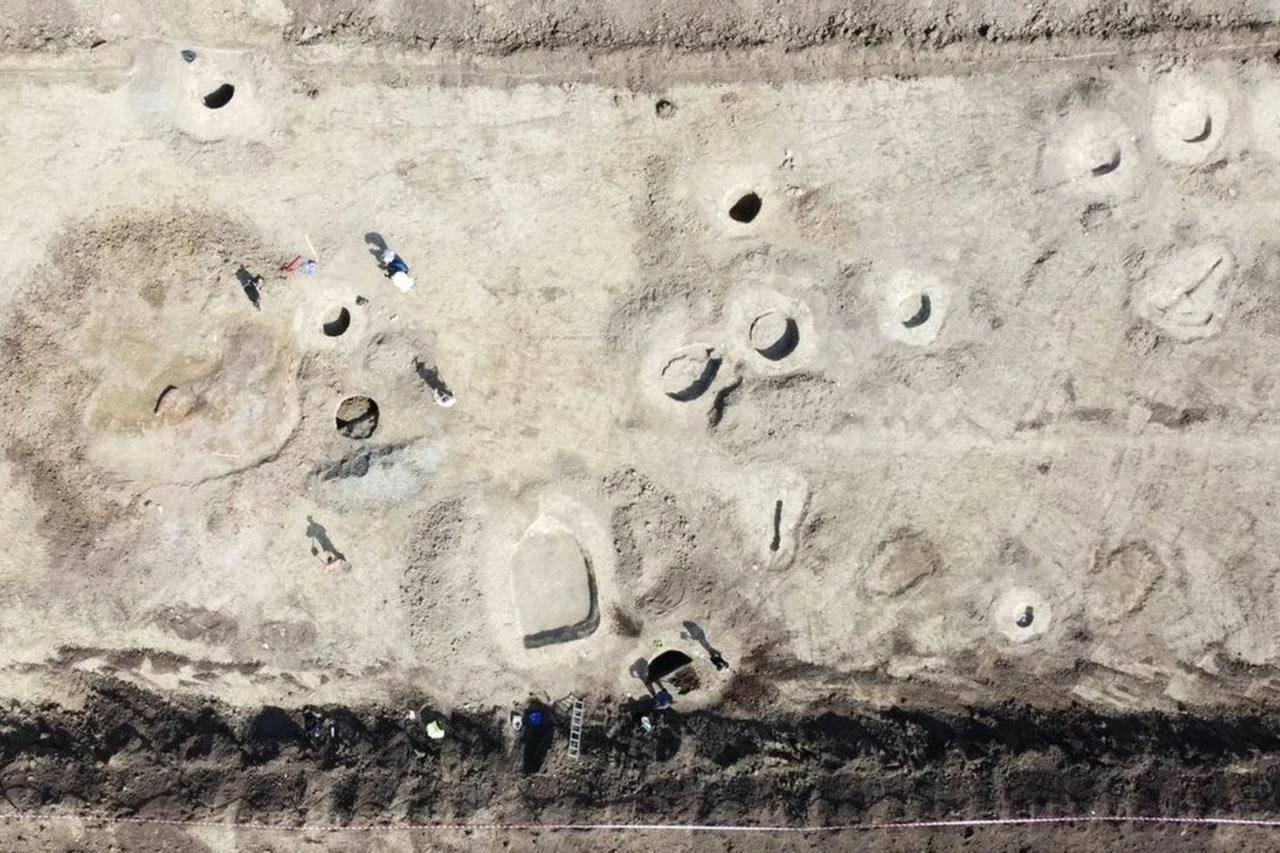
اكتشف علماء آثار يعملون في وسط رومانيا مقبرة تعود إلى العصر الروماني، تضم رفات نحو 20 طفلاً، في اكتشاف أثار تساؤلات حول احتمال تعرض سكان المستوطنة في تلك الفترة لوباء أو أزمة صحية ربما أسهمت في ارتفاع معدل وفيات الأطفال.
وجاء الاكتشاف خلال أعمال تنقيب أثرية في بلدة كريستيشتي بمنطقة مورش الرومانية، حيث تمكن الباحثون حتى الآن من تحديد نحو 30 قبراً ضمن مساحة تنقيب تبلغ نحو 5 هكتارات.
وكان من أبرز الاكتشافات العثور على منطقة دفن تتركز فيها بقايا هياكل عظمية لنحو 20 طفلاً، في تجمع لافت داخل جزء محدد من المقبرة.
تركّز قبور الأطفال يثير فرضية تفشي مرض
ودفع العدد المرتفع للأطفال المدفونين في المنطقة الباحثين إلى دراسة احتمال وفاتهم خلال فترة زمنية قصيرة نسبياً، في حين تبحث الدراسات الجارية ما إذا كان وباء أو مشكلة صحية أخرى قد أثرت على سكان المستوطنة خلال مراحلها المبكرة.
ولا يزال السبب الفعلي للوفيات غير محسوم، إذ ينتظر الباحثون نتائج التحليلات العلمية لبقايا الهياكل العظمية قبل التوصل إلى استنتاجات أكثر دقة بشأن الظروف الصحية التي كانت سائدة في ذلك المجتمع.
وكشفت أعمال التنقيب، في الوقت نفسه، عن اختلافات في طقوس الدفن، إذ عُثر على بعض الجثامين مدفونة مباشرة في الأرض، بينما خضع آخرون لطقوس حرق الجثث قبل دفن بقاياهم.
أوانٍ فخارية ومجوهرات وعملة رومانية
ولم تقتصر الاكتشافات على الرفات البشرية، إذ عثر علماء الآثار على مجموعة من القطع التي تقدم لمحات عن الحياة اليومية في تلك الحقبة، من بينها أوانٍ خزفية، وشظايا زجاجية، ومصابيح زيتية، ومجوهرات، وعملات معدنية.
ومن بين أبرز القطع المكتشفة عملة تحمل صورة فوستينا الكبرى، زوجة الإمبراطور الروماني أنطونينوس بيوس، ويعود تاريخها إلى نحو عام 141 ميلادية.
ويعد الباحثون هذه العملة من الأدلة المهمة التي تساعد في تحديد الإطار الزمني لاستخدام المقبرة وتاريخ المجتمع الذي عاش في المنطقة.
وأظهرت أعمال التنقيب أن المقبرة أقيمت خارج المنطقة السكنية وبالقرب من طرق رئيسية للنقل، وهو نمط يتوافق مع طبيعة توزيع المنشآت والمناطق السكنية التي جرى تحديدها في الموقع الأثري.
تحليلات علمية للكشف عن صحة الأطفال
ونُقلت الرفات البشرية التي جرى استخراجها خلال أعمال التنقيب إلى عهدة متحف مقاطعة مورش، حيث سيخضع بعضها لفحوص علمية متخصصة بهدف البحث عن مؤشرات تتعلق بالنظام الغذائي والأمراض المحتملة التي ربما عانى منها السكان.
ومن المتوقع أن تساعد دراسة هياكل الأطفال العظمية على تقديم معلومات إضافية حول حالتهم الصحية، إلى جانب المساهمة في فهم التركيبة السكانية للمجتمع الذي عاش في هذه المنطقة خلال الحقبة الرومانية.
ولا تزال أعمال التنقيب مستمرة، فيما يواصل علماء الآثار استكشاف الموقع بهدف تحديد المساحة الكاملة للمقبرة والكشف عن مزيد من الأدلة التي قد تساعد في فهم تاريخ المستوطنة والظروف التي عاش فيها سكانها.
Archaeologists working in central Romania have discovered a Roman-era cemetery containing the remains of about 20 children, raising questions about the possibility that the inhabitants of the settlement during that period were affected by an epidemic or health crisis that may have contributed to the high child mortality rate.
The discovery came during archaeological excavations in the town of Crișești in the Mureș region of Romania, where researchers have so far identified about 30 graves within an excavation area of approximately 5 hectares.
Among the most notable discoveries was the finding of a burial area concentrated with skeletal remains of about 20 children, in a striking cluster within a specific part of the cemetery.
The Concentration of Children's Graves Raises the Hypothesis of Disease Outbreak
The high number of children buried in the area has prompted researchers to investigate the possibility that they died within a relatively short time frame, while ongoing studies are exploring whether an epidemic or another health issue may have affected the inhabitants of the settlement during its early stages.
The actual cause of the deaths remains undetermined, as researchers await the results of scientific analyses of the skeletal remains before reaching more precise conclusions about the health conditions that prevailed in that community.
The excavations also revealed differences in burial practices, as some bodies were found buried directly in the ground, while others underwent cremation rituals before their remains were buried.
Pottery, Jewelry, and Roman Coins
The discoveries were not limited to human remains, as archaeologists found a collection of artifacts that provide glimpses into daily life during that era, including ceramic vessels, glass shards, oil lamps, jewelry, and coins.
Among the most notable items discovered is a coin bearing the image of Faustina the Elder, the wife of the Roman Emperor Antoninus Pius, dating back to around 141 AD.
Researchers consider this coin to be important evidence that helps establish the timeline for the use of the cemetery and the history of the community that lived in the area.
The excavations revealed that the cemetery was established outside the residential area and near major transportation routes, a pattern consistent with the distribution of facilities and residential areas identified at the archaeological site.
Scientific Analyses to Reveal the Health of Children
The human remains extracted during the excavations have been transferred to the Mureș County Museum, where some will undergo specialized scientific examinations to search for indicators related to diet and potential diseases that the inhabitants may have suffered from.
It is expected that studying the skeletal remains of the children will provide additional information about their health status, as well as contribute to understanding the demographic composition of the community that lived in this area during the Roman era.
Excavations are still ongoing, as archaeologists continue to explore the site in order to determine the full extent of the cemetery and uncover more evidence that may help in understanding the history of the settlement and the conditions in which its inhabitants lived.