بينما تتجه أنظار العالم نحو عباقرة البرمجة ومطوري خوارزميات الذكاء الاصطناعي باعتبارهم قادة ثروات العصر، تتشكل في الخفاء فئة أخرى وغير متوقعة كلياً من المليارديرات الجدد.
هؤلاء الأثرياء لم يكتبوا سطراً برمجياً واحداً في حياتهم، بل جاؤوا من قطاعات صناعية تقليدية للغاية مثل ورش الصيانة وصناعة السيراميك ومقابض المطابخ، لكنهم استغلوا القاعدة الذهبية التي غفلت عنها الأسواق: «في حمى البحث عن الذهب، لا يقتصر الثراء على المنقبين، بل يشمل من يبيعهم المعاول».
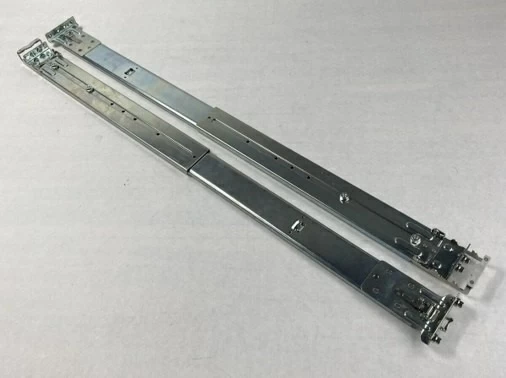
وتعود القصة الأكثر إثارة لشركة «كينغ سلايد» التايوانية، التي بدأت في ثمانينيات القرن الماضي بإنتاج قضبان ومستلزمات الأثاث المنزلي ومقابض المطابخ. لكن المعجزة حدثت عندما تحولت الشركة لإنتاج «القضبان الانزلاقية» الفولاذية الصلبة التي تحمل خوادم الذكاء الاصطناعي الثقيلة داخل مراكز البيانات العالمية.
هذا التحول الذكي قفز بالقيمة السوقية للشركة بأكثر من 3000%، ليتحول مؤسسها الثمانيني لين تسونغ تشي إلى ملياردير بثروة تتجاوز 19.4 مليار دولار.
ولم تتوقف الظاهرة عند قضبان الأثاث، ففي الصين تحول الملياردير وانغ شين إلى حديث الأوساط المالية بثروة بلغت 12 مليار دولار، لمجرد تصنيع شركته لمثاقب صغيرة فائقة الدقة، تُستخدم لإحداث ثقوب متناهية الصغر في اللوحات الإلكترونية الخاصة بمعالجات الذكاء الاصطناعي.
وتشير التقديرات المالية إلى أن هذه القطاعات المنسية، من صمامات ومقابس وسيراميك، أضافت أكثر من 62 مليار دولار لثروات أصحابها، لتثبت أن الطريق نحو مليارات المستقبل لا يمر فقط عبر الشاشات، بل عبر أسطح خطوط الإنتاج التقليدية التي اقتنصت الفرصة في الوقت المناسب.
While the world's attention is focused on programming geniuses and AI algorithm developers as the leaders of the wealth of this era, another completely unexpected class of new billionaires is forming in the shadows.
These wealthy individuals have not written a single line of code in their lives; instead, they come from very traditional industrial sectors such as maintenance workshops, ceramics manufacturing, and kitchen handles. However, they exploited the golden rule that the markets overlooked: "In the gold rush, wealth is not limited to the prospectors, but also includes those who sell them the picks."
The most exciting story belongs to the Taiwanese company "King Slide," which began in the 1980s by producing rods and home furniture supplies and kitchen handles. But the miracle happened when the company shifted to producing solid steel "sliding rods" that carry heavy AI servers within global data centers.
This smart transformation skyrocketed the company's market value by more than 3000%, turning its octogenarian founder, Lin Tsung Chi, into a billionaire with a fortune exceeding $19.4 billion.
The phenomenon did not stop at furniture rods; in China, billionaire Wang Xin became the talk of financial circles with a fortune of $12 billion, simply for manufacturing his company's ultra-precise small drills, used to create minuscule holes in the electronic boards of AI processors.
Financial estimates indicate that these forgotten sectors, from valves and plugs to ceramics, have added more than $62 billion to their owners' fortunes, proving that the path to the billions of the future does not only pass through screens but also through the surfaces of traditional production lines that seized the opportunity at the right time.