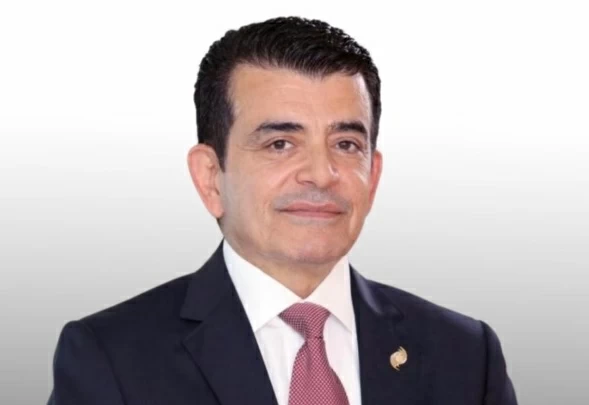
أعلن المدير العام لمنظمة العالم الإسلامي للتربية والعلوم والثقافة (إيسيسكو)، الدكتور سالم بن محمد المالك، اليوم (الأربعاء) 16 سبتمبر 2026، عن برنامج «10 آلاف قائد في الذكاء الاصطناعي»، بالشراكة مع اﻟﻤﺮﻛﺰ اﻟﺪوﻟﻲ ﻷﺑﺤﺎث وأﺧﻼﻗﻴﺎت اﻟﺬﻛﺎء اﻻﺻﻄﻨﺎﻋﻲ (ICAIRE)، خلال أعمال النسخة الرابعة من منتدى اليونسكو العالمي لأخلاقيات الذكاء الاصطناعي، الذي تستضيفه الرياض.
ويستهدف البرنامج تأهيل 10 آلاف قائد خلال عامين في الدول الأعضاء الـ53 ضمن فئتين، تضم الفئة الأولى، قيادات مؤسسية وإستراتيجية تشمل الوزراء وكبار المسؤولين والدبلوماسيين والبرلمانيين ورؤساء المؤسسات والهيئات الوطنية؛ فيما تضم الفئة الثانية كفاءات مهنية وأكاديمية وتقنية وصناع القرار بالقطاع الخاص، والخبراء والباحثين والتربويين والطلاب والمهنيين الشباب ورواد الأعمال.
وخلال إطلاق البرنامج، أكد الدكتور المالك أن القدرة على حوكمة الذكاء الاصطناعي أصبحت مرتبطة بقدرة الدول على إدارة شؤونها وتحديد خياراتها، محذراً من أن غيابها يترك مجتمعاتها أمام قرارات تُتخذ خارجها ووفق أولويات لم تسهم في صياغتها، مشيراً إلى أن دولتين فقط من العالم الإسلامي تحتلان موقعا ضمن الدول الـ20 الأولى في مؤشر جاهزية الحكومات للذكاء الاصطناعي، معتبراً ذلك فجوة تستدعي المعالجة.
وأوضح المدير العام للإيسيسكو أن المنظمة اختارت الاستثمار في الإنسان، انطلاقاً من قناعتها بأن تأهيل القيادات، إلى جانب نقل التكنولوجيا يعدان عاملين حاسمين في تسخير الذكاء الاصطناعي لخدمة المجتمعات وتعزيز قدرتها على توجيه التحولات.
وذكر الدكتور المالك أن التدريب يتوزع على أربعة مسارات تشمل أساسيات الذكاء الاصطناعي، وتطبيقاته المتقدمة، وأخلاقياته وحوكمته، ودوره في اتخاذ القرارات الإستراتيجية، بمحتوى يراعي مسؤوليات المستفيدين والأولويات الوطنية لدولهم.
وأضاف أن البرنامج يولي اهتماماً خاصاً للنساء والشباب، ويستند إلى مبادئ أخلاقية منسجمة مع «ميثاق الرياض للذكاء الاصطناعي في العالم الإسلامي» وقيمه، مع التركيز على استدامة أثر التدريب ودعم الإستراتيجيات الوطنية، وإتاحة منصة للتعلم المستمر وشبكات تربط الحكومات والأوساط الأكاديمية وقطاع الصناعة.
واختتم الدكتور المالك بدعوة الجامعات والمؤسسات الشريكة والقطاع الخاص إلى الانضمام إلى البرنامج، للإسهام في بناء عالم إسلامي مهيّأ لعصر الذكاء الاصطناعي.
عقب ذلك، أقام اﻟﻤﺮﻛﺰ اﻟﺪوﻟﻲ ﻷﺑﺤﺎث وأﺧﻼﻗﻴﺎت اﻟﺬﻛﺎء اﻻﺻﻄﻨﺎﻋﻲ «آيكير» احتفالية بحضور الدكتور سالم المالك، والمدير العام المكلف لمركز «آيكير» الدكتور ماجد الشهري، للاحتفاء بخريجي الدفعة الأولى من البرنامج.
The Director-General of the Islamic World Educational, Scientific and Cultural Organization (ISESCO), Dr. Salem bin Mohammed Al-Malik, announced today (Wednesday) September 16, 2026, the program "10,000 Leaders in Artificial Intelligence," in partnership with the International Center for Artificial Intelligence Research and Ethics (ICAIRE), during the proceedings of the fourth edition of the UNESCO Global Forum on Artificial Intelligence Ethics, hosted in Riyadh.
The program aims to qualify 10,000 leaders over two years in the 53 member states, divided into two categories. The first category includes institutional and strategic leaders such as ministers, senior officials, diplomats, parliamentarians, and heads of national institutions and bodies; while the second category includes professional, academic, and technical competencies, decision-makers in the private sector, experts, researchers, educators, students, young professionals, and entrepreneurs.
During the program's launch, Dr. Al-Malik emphasized that the ability to govern artificial intelligence has become linked to the capacity of countries to manage their affairs and determine their options, warning that its absence leaves communities facing decisions made outside of them and according to priorities in which they did not contribute to shaping. He pointed out that only two countries from the Islamic world rank among the top 20 in the Government AI Readiness Index, considering this a gap that needs addressing.
The Director-General of ISESCO clarified that the organization chose to invest in people, based on its conviction that qualifying leaders, alongside technology transfer, are crucial factors in harnessing artificial intelligence to serve communities and enhance their ability to guide transformations.
Dr. Al-Malik mentioned that the training is divided into four tracks covering the fundamentals of artificial intelligence, its advanced applications, ethics and governance, and its role in strategic decision-making, with content that considers the responsibilities of beneficiaries and the national priorities of their countries.
He added that the program pays special attention to women and youth, and is based on ethical principles consistent with the "Riyadh Charter for Artificial Intelligence in the Islamic World" and its values, focusing on the sustainability of the training impact, supporting national strategies, and providing a platform for continuous learning and networks connecting governments, academia, and the industry sector.
Dr. Al-Malik concluded by inviting universities, partner institutions, and the private sector to join the program, to contribute to building an Islamic world prepared for the era of artificial intelligence.
Following this, the International Center for Artificial Intelligence Research and Ethics (ICAIRE) held a celebration attended by Dr. Salem Al-Malik and the acting Director-General of ICAIRE, Dr. Majid Al-Shahri, to honor the graduates of the first cohort of the program.