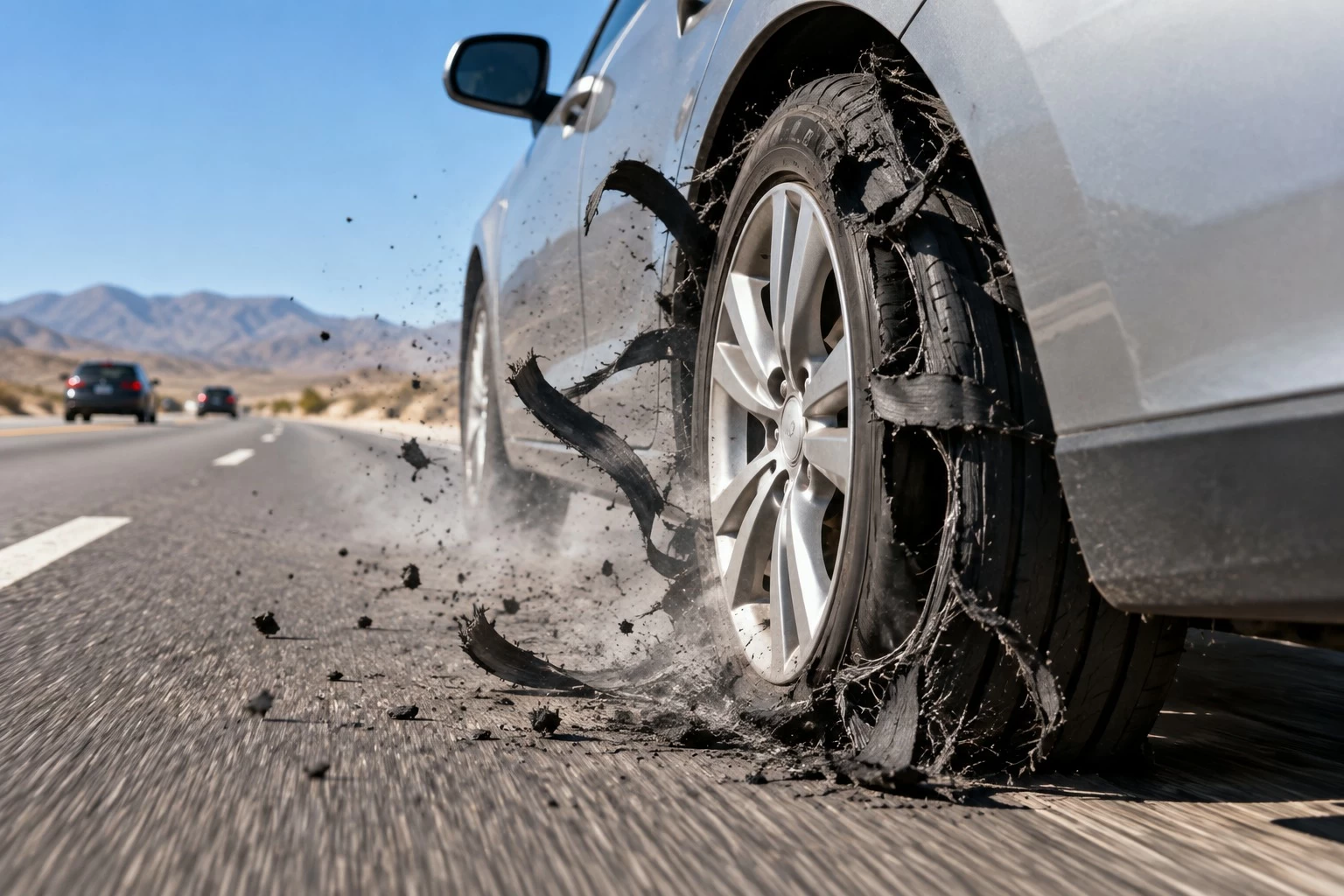
قد يتحول انفجار أحد إطارات السيارة أثناء القيادة إلى موقف خطير خلال ثوانٍ، خصوصاً عند السرعات العالية، إذ يمكن أن يؤدي الفقد المفاجئ لضغط الهواء إلى صعوبة السيطرة على المركبة.
وتحدد إرشادات السلامة خمس خطوات للتعامل مع انفجار الإطار، محذرة من ردود الفعل المفاجئة التي قد تزيد خطورة الموقف.
لا تضغط على الفرامل بقوة
عند انفجار الإطار، تجنب الضغط المفاجئ والقوي على الفرامل، إذ يمكن أن يؤدي ذلك إلى زيادة عدم استقرار المركبة وانحرافها عن مسارها.
امسك المقود باليدين
امسك المقود بإحكام باليدين، وحافظ على اتجاه السيارة قدر الإمكان، مع تجنب تحريك المقود بصورة مفاجئة أو إجراء تصحيحات حادة للمسار.
خفف الوقود تدريجياً
حافظ على سرعة السيارة لفترة وجيزة للمساعدة على استقرارها، ثم خفف الضغط على دواسة الوقود تدريجياً، واترك سرعة المركبة تنخفض بصورة طبيعية.
شغّل إشارات التحذير
شغّل إشارات التحذير لتنبيه المركبات الأخرى إلى وجود حالة طارئة، مع مواصلة السيطرة على السيارة وتجنب أي حركة مفاجئة.
اتجه إلى مكان آمن
بعد استقرار المركبة وانخفاض سرعتها، استخدم الفرامل بلطف عند الحاجة، واتجه تدريجياً إلى جانب الطريق أو مكان آمن قبل التوقف.
الوقاية تقلل المخاطر
وتبدأ الوقاية من المحافظة على ضغط الإطارات وفق المستوى الذي تحدده الشركة المصنعة، مع فحص ضغط جميع الإطارات، بما فيها الإطار الاحتياطي، مرة واحدة شهرياً على الأقل وهي باردة.
كما يُنصح بفحص مداس الإطارات وحالتها بانتظام، إذ إن ضعف الصيانة ونقص ضغط الهواء قد يؤديان إلى تلف الإطار أو انفجاره.
A tire blowout while driving can turn into a dangerous situation within seconds, especially at high speeds, as the sudden loss of air pressure can make it difficult to control the vehicle.
Safety guidelines outline five steps to handle a tire blowout, warning against sudden reactions that could worsen the situation.
Do not brake hard
When a tire blows out, avoid sudden and hard braking, as this can increase the instability of the vehicle and cause it to veer off course.
Grip the steering wheel with both hands
Hold the steering wheel firmly with both hands, and maintain the direction of the car as much as possible, avoiding sudden movements of the wheel or sharp corrections to the path.
Gradually ease off the gas
Maintain the speed of the vehicle briefly to help stabilize it, then gradually ease off the gas pedal, allowing the vehicle's speed to decrease naturally.
Turn on hazard lights
Turn on the hazard lights to alert other vehicles to the emergency situation, while continuing to control the car and avoiding any sudden movements.
Steer to a safe location
After stabilizing the vehicle and reducing its speed, gently use the brakes as needed, and gradually steer to the side of the road or a safe location before coming to a stop.
Prevention reduces risks
Prevention starts with maintaining tire pressure at the level specified by the manufacturer, checking the pressure of all tires, including the spare tire, at least once a month when they are cold.
It is also recommended to regularly check the tread and condition of the tires, as poor maintenance and low air pressure can lead to tire damage or blowouts.