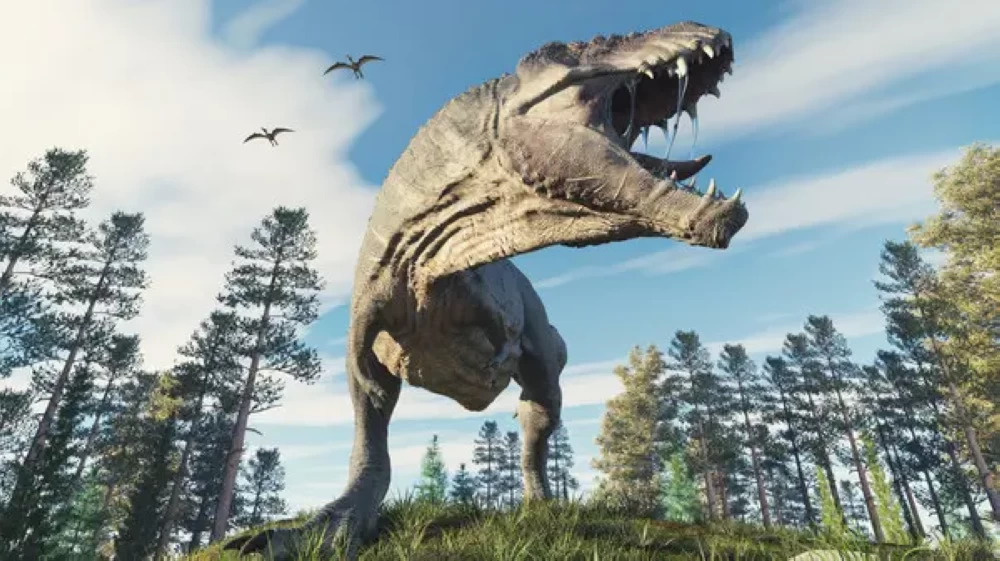
ربما لم تكن الديناصورات العملاقة بحاجة إلى الجلوس فوق بيضها لتدفئته، إذ تشير دراسة حديثة إلى أنها ربما استعانت بحرارة النباتات المتحللة لتحضين البيض في المناطق الباردة قبل نحو 66 مليون عام.
وجاءت الفرضية بعد اكتشاف باحثين أكثر من 250 قطعة من قشور بيض ديناصورات في أقصى جنوب باتاغونيا بالأرجنتين، في أبعد موقع جنوبي يُعثر فيه على هذا النوع من البيض حتى الآن.
ونُشرت الدراسة في دورية «Royal Society Open Science»، وقادها عالم الحفريات الياباني كوهي تاناكا من جامعة تسوكوبا، بعد العثور على القشور داخل تكوين «تشوريّو» الصخري العائد إلى أواخر العصر الطباشيري.
أبعد أعشاش الديناصورات جنوباً
عندما وُضع البيض قبل نحو 66 مليون عام، كانت المنطقة تقع بين خطي عرض 55 و60 درجة جنوباً، في مناخ بارد نسبياً يماثل من حيث درجات الحرارة مناخ مدينة نيويورك الحالية.
ويرجح الباحثون أن البيض المكتشف، المعروف باسم «فوزيوليثوس» (Fusioolithus)، يعود إلى ديناصورات «التيتانوصور» العاشبة العملاقة طويلة الرقبة، فيما كان حجم البيضة الواحدة يقارب حجم كرة قدم.
ويعد العثور على أدلة لتعشيش ديناصورات غير طيرية قرب القطب الجنوبي أمراً نادراً، إذ عُثر سابقاً على بقايا مماثلة في مناطق أكثر دفئاً.
«عجة عملاقة»
وكانت الأجنة تحتاج إلى حرارة كافية للنمو، إلا أن التيتانوصورات، بخلاف الطيور الحديثة، لم تكن قادرة على الجلوس فوق البيض لتدفئته بسبب أوزانها الهائلة.
وقالت الباحثة المشاركة في الدراسة دارلا زيلينيتسكي إن جلوس هذه الديناصورات فوق البيض كان سيحوّل العش إلى ما وصفته بـ«عجة عملاقة».
وأظهرت التحليلات أن قشور البيض تتمتع بمسامية مرتفعة جداً، وهي سمة ترتبط عادةً بالبيض المدفون تحت التربة أو المواد العضوية، وتسمح بوصول كمية أكبر من الأكسجين إلى الأجنة.
حاضنة طبيعية
ويرى الباحثون أن دفن البيض وحده ربما لم يكن كافياً لمواجهة برودة باتاغونيا، كما لم يجدوا دليلاً على وجود نشاط حراري أرضي يمكن أن يكون مصدر الدفء.
لذلك يرجحون أن التيتانوصورات ربما بنت أكواماً من النباتات والمواد العضوية حول البيض، بطريقة تشبه ما تفعله بعض الحيوانات المعاصرة، إذ يؤدي تحلل النباتات بفعل الكائنات الدقيقة إلى إنتاج الحرارة وتوفير «حاضنة طبيعية» للأجنة.
وتدعم المسام الكبيرة في القشور هذه الفرضية، لأن البيوض المدفونة تحتاج إلى مسام أكبر للحصول على الأكسجين، مقارنةً بالبيوض المكشوفة.
الديناصورات ذهبت أبعد مما اعتقدنا
وخلص الباحثون إلى أن موقع الاكتشاف يمثل أقصى منطقة جنوبية عُثر فيها بشكل مؤكد على بقايا بيض ديناصورات في نصف الكرة الجنوبي.
وتشير النتائج إلى أن التيتانوصورات كانت قادرة على التعشيش في مناطق أبرد وأبعد جنوباً مما كان يُعتقد سابقاً، وربما طورت إستراتيجية حضانة مكّنتها من التأقلم مع تلك الظروف القاسية.
Perhaps the giant dinosaurs did not need to sit on their eggs to warm them, as a recent study suggests that they may have relied on the heat from decaying plants to incubate their eggs in cold regions about 66 million years ago.
The hypothesis came after researchers discovered more than 250 pieces of dinosaur egg shells in the far south of Patagonia, Argentina, at the southernmost site where this type of egg has been found to date.
The study was published in the journal "Royal Society Open Science," led by Japanese paleontologist Kohei Tanaka from the University of Tsukuba, after finding the shells within the "Chorrillo" rock formation dating back to the late Cretaceous period.
The Southernmost Dinosaur Nests
When the eggs were laid about 66 million years ago, the area was located between latitudes 55 and 60 degrees south, in a relatively cold climate similar in temperature to that of present-day New York City.
Researchers believe that the discovered eggs, known as "Fusioolithus," belonged to giant long-necked herbivorous dinosaurs called titanosaurians, with each egg being roughly the size of a football.
Finding evidence of non-avian dinosaur nesting near the South Pole is rare, as similar remains have previously been found in warmer areas.
"Giant Omelet"
The embryos needed sufficient heat to grow, but unlike modern birds, titanosaurs were unable to sit on their eggs to warm them due to their massive weights.
Co-researcher Darla Zelenitsky stated that if these dinosaurs had sat on the eggs, it would have turned the nest into what she described as a "giant omelet."
Analyses showed that the egg shells had very high porosity, a characteristic typically associated with eggs buried under soil or organic materials, allowing more oxygen to reach the embryos.
Natural Incubator
Researchers believe that simply burying the eggs may not have been enough to cope with the cold of Patagonia, as they found no evidence of geothermal activity that could have been a source of warmth.
Therefore, they speculate that titanosaurs may have built mounds of plants and organic materials around the eggs, similar to what some contemporary animals do, as the decomposition of plants by microorganisms produces heat and provides a "natural incubator" for the embryos.
The large pores in the shells support this hypothesis, as buried eggs require larger pores to obtain oxygen compared to exposed eggs.
Dinosaur Range Extended Beyond What We Thought
The researchers concluded that the discovery site represents the southernmost area where dinosaur egg remains have been definitively found in the Southern Hemisphere.
The findings suggest that titanosaurs were capable of nesting in colder and further southern regions than previously thought, and may have developed an incubation strategy that enabled them to adapt to those harsh conditions.