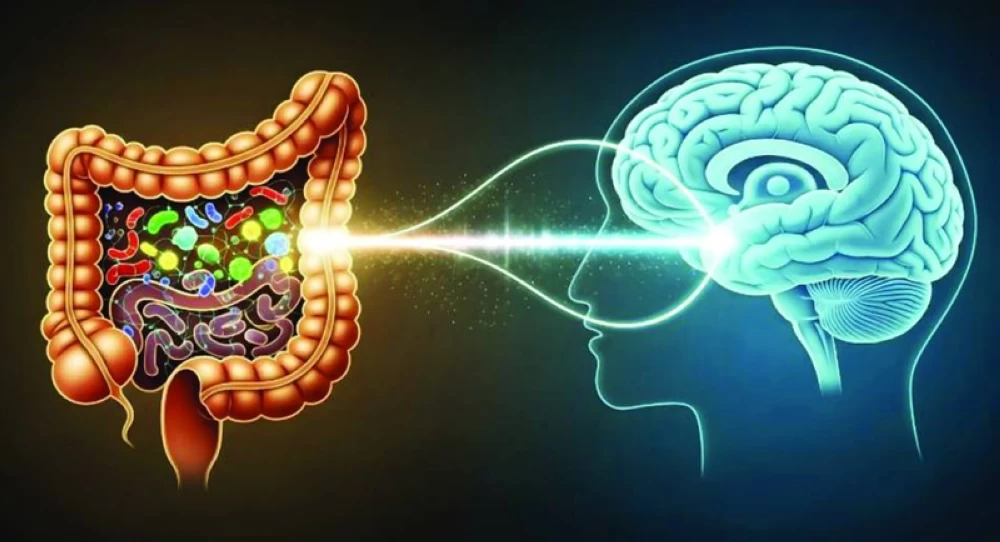
قد تحمل الأمعاء إشارات مبكرة تكشف مدى سرعة تقدّم الدماغ في العمر، بعدما ربطت دراسة حديثة بين أنواع محددة من بكتيريا الأمعاء ونواتجها الأيضية وبين مؤشرات شيخوخة الدماغ.
وحلل باحثون في جامعة كاليفورنيا بلوس أنجلوس «UCLA»، في الدراسة المنشورة بدورية «eBioMedicine»، فحوصات دماغية لنحو 1500 بالغ ضمن ثلاث مجموعات مستقلة، وطوّروا نموذجاً حاسوبياً لتقدير «عمر الدماغ» ومقارنته بالعمر الزمني للمشاركين.
وأظهرت النتائج أن ارتفاع مؤشر شيخوخة الدماغ ارتبط بانخفاض الأداء في اختبارات الذاكرة العاملة والوظائف التنفيذية المرتبطة بالتركيز والتخطيط والتنظيم، إضافةً إلى زيادة أعراض الاكتئاب.
وفي إحدى مجموعات الدراسة، حلل الباحثون عينات براز للكشف عن العلاقة بين شيخوخة الدماغ والميكروبيوم المعوي، ووجدوا ارتباطاً بين ارتفاع المؤشر وأنواع محددة من بكتيريا الأمعاء ونواتج أيضية معينة، بينها جزيئات دهنية ومركب مرتبط باستقلاب الكوليسترول، إلى جانب انخفاض مستويات هرمون «إستيترول».
وأشارت التحليلات إلى أن المسارات البيولوجية المرتبطة بهذه المؤشرات قد تتداخل مع وظائف الجهاز المناعي والأوعية الدموية والتواصل بين خلايا الدماغ وإنتاج الطاقة داخل الخلايا.
وقالت كبيرة الباحثين في الدراسة الدكتورة أربانا تشيرش، إن شيخوخة الدماغ لا تبدأ بالضرورة بصورة مفاجئة مع التقدم في العمر، إذ يمكن رصد بعض الإشارات البيولوجية المرتبطة بها في مراحل مبكرة.
ويرى الباحثون أن الربط بين التغيرات المبكرة في الدماغ وميكروبيوم الأمعاء ونواتج الأيض قد يساعد مستقبلاً في تحديد الأشخاص الأكثر عرضة للتدهور المعرفي أو اضطرابات المزاج، وفتح مسارات جديدة لدعم صحة الدماغ.
وشددت الدراسة على أن النتائج تكشف ارتباطاً بين صحة الأمعاء وشيخوخة الدماغ، لكنها لا تثبت أن بكتيريا الأمعاء أو نواتجها تسبب بصورة مباشرة تسارع شيخوخة الدماغ.
The intestines may carry early signals that reveal how quickly the brain ages, after a recent study linked specific types of gut bacteria and their metabolic products to indicators of brain aging.
Researchers at the University of California, Los Angeles (UCLA) analyzed brain scans of about 1,500 adults across three independent groups in the study published in the journal eBioMedicine, and developed a computer model to estimate "brain age" and compare it to the chronological age of the participants.
The results showed that a higher brain aging index was associated with lower performance in working memory tests and executive functions related to concentration, planning, and organization, as well as increased symptoms of depression.
In one of the study groups, the researchers analyzed stool samples to investigate the relationship between brain aging and the gut microbiome, finding a correlation between a higher index and specific types of gut bacteria and certain metabolic products, including lipid molecules and a compound related to cholesterol metabolism, along with lower levels of the hormone "estriol."
The analyses indicated that the biological pathways associated with these indicators may interfere with immune system functions, vascular health, communication between brain cells, and energy production within cells.
The lead researcher of the study, Dr. Arbana Church, stated that brain aging does not necessarily begin suddenly with advancing age, as some biological signals related to it can be detected at early stages.
The researchers believe that linking early changes in the brain with the gut microbiome and metabolic products may help in the future to identify individuals who are more susceptible to cognitive decline or mood disorders, and open new pathways to support brain health.
The study emphasized that the results reveal a connection between gut health and brain aging, but do not prove that gut bacteria or their products directly cause accelerated brain aging.