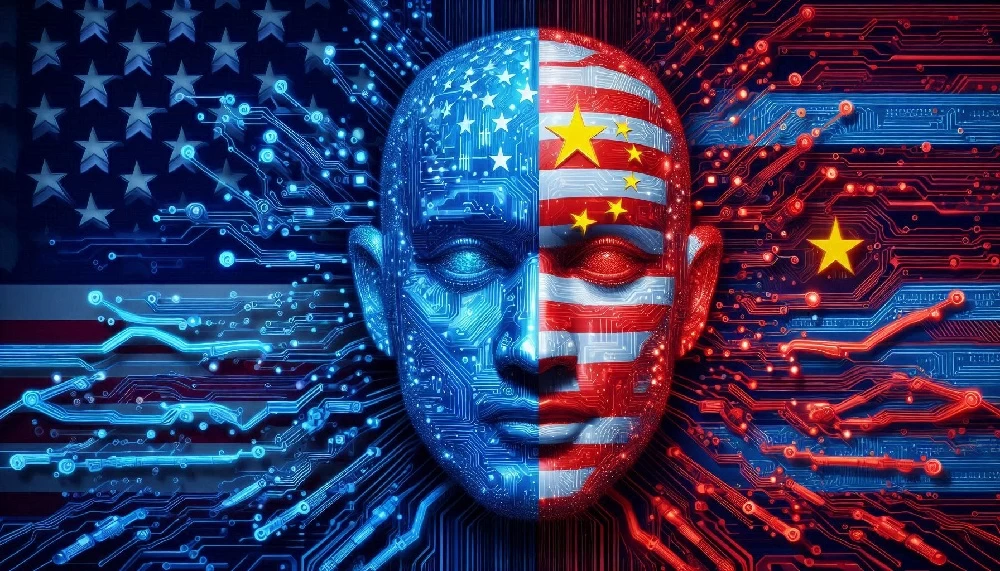
أعاد مقال نشره الرئيس التنفيذي لشركة (أنثروبيك) داريو أمودي، وأيّده لاحقًا كل من سام ألتمان وإيلون ماسك، الجدل حول مستقبل الذكاء الاصطناعي والعلاقة المتوترة بين الولايات المتحدة والصين، بعدما دعا أمودي إلى إبطاء وتيرة تطوير النماذج المتقدمة وإتاحة مساحة زمنية أكبر لمعالجة مخاطر السلامة المتصاعدة.
الدعوة التي بدت في ظاهرها تقنية، اعتبرتها صحيفة (غلوبال تايمز) الصينية محاولة لإعادة إنتاج (حرب باردة) جديدة في المجال التكنولوجي، عبر فرض قيود تعرقل تقدّم الصين في الذكاء الاصطناعي.
وتضمن طرح أمودي دعوة صريحة لتشديد القيود الأمريكية على تصدير الرقائق إلى الصين، إلى جانب اتخاذ إجراءات ضد ما وصفه بعمليات (التقطير) التي يُعتقد أن بعض المختبرات الصينية تمارسها لتجاوز القيود المفروضة على التقنيات المتقدمة. لكنه أقرّ في مقابلة مع شبكة (سي بي إس نيوز) بأن أكبر معضلة في هذا الطرح تكمن في احتمال عدم التزام الصين أو دول أخرى تعتبرها واشنطن خصومًا بالخطوة نفسها، ما قد يضع الولايات المتحدة في موقف تنافسي حساس.
وفي المقابل، رأت (غلوبال تايمز) أن الهدف الحقيقي من هذه الدعوات هو إبطاء تقدّم الصين عبر حواجز تنظيمية وتكنولوجية، والحفاظ على الهيمنة الأمريكية في قطاع الذكاء الاصطناعي، معتبرةً أن استبعاد الصين من منظومة الحوكمة العالمية سيزيد مخاطر فقدان السيطرة على التطور السريع للتقنيات المتقدمة.
وتزامنت هذه التطورات مع مطالبات داخل الكونغرس الأمريكي بوضع قواعد جديدة لتنظيم الذكاء الاصطناعي، بعد تحذيرات من باحثين في (أنثروبيك) بشأن إمكانية أن يؤدي التطور المتسارع للتقنيات إلى تهديد وجودي للبشرية. لكن الرئيس الأمريكي دونالد ترامب رفض الدعوات إلى الإبطاء، مؤكدًا أن الولايات المتحدة تتقدم على الصين في هذا المجال، وأن الحفاظ على هذا التفوق ضرورة إستراتيجية.
ومن المقرر أن تبحث واشنطن وبكين مخاطر الذكاء الاصطناعي المتقدم منتصف سبتمبر، فيما تشير مصادر إلى احتمال طرح الملف خلال القمة المرتقبة بين ترامب والرئيس الصيني شي جين بينغ في 24 سبتمبر، في خطوة تعكس حجم التوتر والتنافس بين القوتين في واحد من أهم ميادين التكنولوجيا الحديثة.
An article published by Anthropic's CEO, Dario Amodei, which was later supported by both Sam Altman and Elon Musk, reignited the debate over the future of artificial intelligence and the strained relationship between the United States and China, after Amodei called for slowing the pace of advanced model development and allowing more time to address rising safety risks.
The call, which appeared to be technical on the surface, was viewed by the Chinese newspaper (Global Times) as an attempt to reproduce a new "Cold War" in the technological field by imposing restrictions that hinder China's progress in artificial intelligence.
Amodei's proposal included a clear call to tighten U.S. restrictions on chip exports to China, along with taking measures against what he described as "distillation" processes that some Chinese laboratories are believed to be practicing to circumvent the restrictions imposed on advanced technologies. However, he acknowledged in an interview with CBS News that the biggest dilemma in this proposal lies in the possibility that China or other countries considered adversaries by Washington may not adhere to the same step, which could place the United States in a sensitive competitive position.
In contrast, (Global Times) viewed the real goal of these calls as slowing China's progress through regulatory and technological barriers, and maintaining U.S. dominance in the artificial intelligence sector, considering that excluding China from the global governance system would increase the risks of losing control over the rapid development of advanced technologies.
These developments coincided with calls within the U.S. Congress to establish new rules for regulating artificial intelligence, following warnings from researchers at (Anthropic) about the potential for the rapid advancement of technologies to pose an existential threat to humanity. However, President Donald Trump rejected calls to slow down, asserting that the United States is ahead of China in this field and that maintaining this superiority is a strategic necessity.
Washington and Beijing are set to discuss the risks of advanced artificial intelligence in mid-September, while sources indicate the possibility of raising the issue during the upcoming summit between Trump and Chinese President Xi Jinping on September 24, in a move that reflects the level of tension and competition between the two powers in one of the most important fields of modern technology.