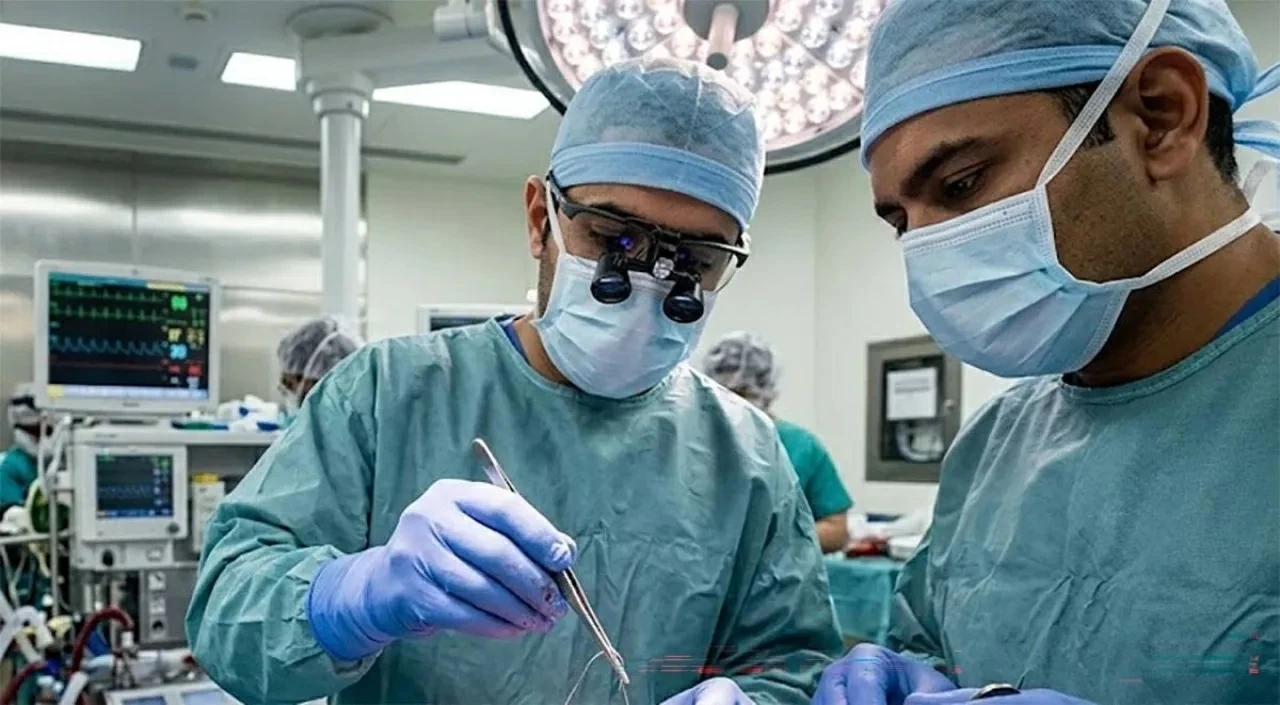
تحولت زيارة روتينية قام بها شاب صيني (35 عاماً) إلى قسم الطوارئ لمجرد الشعور بآلام في المجرى البولي، إلى واحدة من أغرب الجراحات المعقدة في تاريخ الطب الحديث. فالمريض الذي يعيش بإعاقة ذهنية دخل المستشفى بعلامات حيوية هادئة تماماً، دون أن تظهر عليه أي من المؤشرات المتعارف عليها لأمراض القلب، لكن تصويراً إشعاعياً سريعاً وروتينياً كان كفيلاً بتفجير الصدمة الأولى وفتح أبواب الكابوس، بعدما لمح الأطباء خيالاً معدنياً مريباً يرتجف فوق منطقة الصدر.
حينهأ، تداعى الأطباء لإجراء فحوصات مقطعية مكثفة، لتكشف الصور عن مفاجأة صاعقة مفادها أن جسد الشاب تحول إلى مخزن لأجسام معدنية حادة تائهة بين البطن، الحوض، وعظام الورك.
لكن المشهد المرعب الذي جمد الدماء في عروق الفريق الطبي تمثل في وجود «إبرة خياطة» دقيقة بطول 36 مليمترًا، اخترقت الغشاء الخارجي للقلب واستقرت رأسها الحادة عميقاً داخل تجويف البطين الأيسر!
وفي بث مباشر عبر الفحص التلفزيوني، كانت الإبرة تتحرك بدقة قاتلة صعوداً وهبوطاً مع كل نبضة ينبضها القلب، مهددة بتمزيق الأنسجة في أي لحظة.
صراع الأولوية داخل غرفة العمليات
وثقت دورية «BMC Cardiovascular Disorders» تفاصيل هذا السباق الطبي مع الزمن، حين سارع الجراحون بإدخال المريض لغرفة العمليات تحت تهديد الفشل القلبي الوشيك والنزيف الحاد.
وعند فتح البطن والصدر، تفاجأ الجراحون بأن الإبر الاستقرائية في المثانة قد غلفتها ترسبات كلسية صخرية، مما فرض خطة مواجهة مرحلية: تبدأ بانتزاع إبرة القلب أولاً بسبب الوضع الخطير والحرج وذلك لتأمين النبض، ثم تأجيل التعامل مع بقية الأجسام الحادة إلى وقت لاحق.
انتهت الجراحة بنجاح وتماثل المريض للشفاء، غير أن التساؤل المُر الذي شغل عقول الأطباء وظل بلا إجابة هو: كيف تسللت هذه الإبر إلى باطن الجسد؟ ويرجح أطباء مستشفى هونان أن الظاهرة ناتجة عن سلوكيات تدمير ذاتي متكررة بسبب حالته الذهنية، خصوصاً بعد اكتشاف خضوعه لجراحة سابقة استُخرجت خلالها أجسام معدنية من بطنه.
وتؤكد الدراسات العالمية أن هذه الواقعة تصنف ضمن ندرة تاريخية مطلق؛ إذ لم يُسجل التاريخ الطبي منذ عام 1967 سوى 34 حالة مشابهة لإدخال إبر إلى القلب، مما يدق ناقوس الخطر حول الحالات التي تظل فيها الأجسام الحادة صامتة داخل القلب لسنوات دون ظهور أي أعراض تذكر.
A routine visit by a 35-year-old Chinese man to the emergency department due to urinary tract pain turned into one of the strangest complex surgeries in modern medical history. The patient, who lives with a mental disability, entered the hospital with completely stable vital signs, showing none of the common indicators of heart disease. However, a quick and routine imaging scan was enough to trigger the first shock and open the doors to a nightmare, as doctors spotted a suspicious metallic shadow trembling above the chest area.
At that moment, the doctors rushed to conduct intensive CT scans, revealing a shocking surprise: the young man's body had turned into a storage for sharp metallic objects lost between the abdomen, pelvis, and hip bones.
But the terrifying scene that froze the blood in the veins of the medical team was the presence of a precise "sewing needle" measuring 36 millimeters, which had penetrated the outer membrane of the heart and settled its sharp tip deep inside the left ventricle!
In a live broadcast via ultrasound, the needle was moving with deadly precision up and down with each heartbeat, threatening to tear the tissues at any moment.
Priority Struggle in the Operating Room
The journal "BMC Cardiovascular Disorders" documented the details of this medical race against time, as surgeons hurried to bring the patient into the operating room under the threat of imminent heart failure and severe bleeding.
Upon opening the abdomen and chest, the surgeons were surprised to find that the needles lodged in the bladder were encased in rocky calcified deposits, necessitating a phased confrontation plan: starting with the removal of the heart needle first due to the dangerous and critical situation to secure the pulse, and then postponing the handling of the remaining sharp objects to a later time.
The surgery ended successfully, and the patient began to recover. However, the bitter question that occupied the minds of the doctors remained unanswered: how did these needles infiltrate the body? Doctors at Hunan Hospital speculate that the phenomenon is the result of repeated self-destructive behaviors due to his mental condition, especially after discovering that he had previously undergone surgery during which metallic objects were removed from his abdomen.
Global studies confirm that this incident is classified as an absolute historical rarity; since 1967, only 34 similar cases of needles entering the heart have been recorded in medical history, raising alarms about cases where sharp objects remain silent inside the heart for years without showing any significant symptoms.