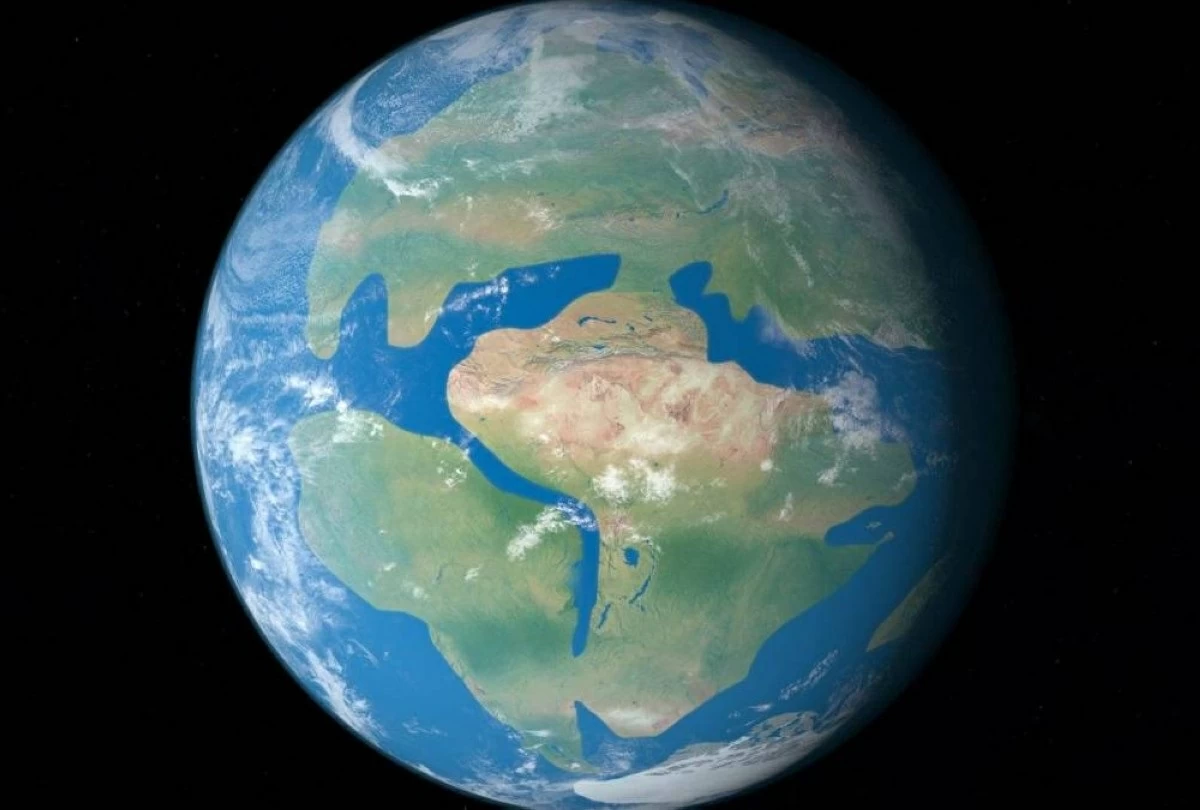
تخيل أن التربة التي تسير عليها اليوم، والمدن التي تعيش فيها أو تزورها سواء كنت في آسيا أو أوروبا أو أمريكا الشمالية، تخفي في أعماقها بقايا قارة غارقة كانت يوماً ما تحكم كوكب الأرض بأكمله!
في اكتشاف علمي مدوٍّ هز الوسط الجيولوجي ونُشر في دورية «Science Advances»، نجح فريق دولي من الباحثين في إماطة اللثام عن شظايا هائلة مدفونة من القشرة الأرضية القديمة، ظلّت غائبة في ظلمة الباطن لمئات الملايين من السنين، لتفرض إعادة كتابة التاريخ السحيق لكوكبنا.
مفاجأة ال 80%.. شبح «غوندوانا» الذي ابتلع اليابسة
لعقود طويلة، اعتقد العلماء أن القارة العملاقة «غوندوانا» كانت تغطي نحو 64% فقط من يابسة الأرض قبل تفككها. لكن بعد رحلة تقصٍّ شاقة ومسح جيوكيميائي لأكثر من 25 ألف صخرة بركانية، جاءت النتائج لتصدم الجميع.
وأثبتت التحليلات الدقيقة أن «غوندوانا» لم تكن مجرد كتلة قارية عادية، بل كانت قارة أسطورية تهيمن على نحو 80% من مساحة اليابسة قبل 500 مليون عام. والأغرب من ذلك، أن أجزاءً ضخمة من هذه القارة لم تندثر، بل أُعيد تدويرها ودفنها أسفل القارات الحديثة التي نعيش فوقها اليوم.
ولو تساءلنا: كيف استطاع العلماء الاستدلال على قارة اختفت معالمها منذ أزمنة سحيقة؟ سنجد أن السر لم يكن في الاستعانة بالخرائط التقليدية أو تتبع حركة الصفائح التكتونية الظاهرة، بل في فك «البصمة الجيوكيميائية» المخبأة داخل الصخور.
استخدم الباحثون العناصر الكيميائية الدقيقة داخل الصخور البركانية ك«حمض نووي جيولوجي» لا يكذب. وبرغم عوامل الانقسام، والضغط، وحركة الصفائح عبر مئات الملايين من السنين، ظلت تلك الصخور تحتفظ بهويتها الأولى، مكرسةً الدليل القاطع على أن ما نحسبه قارات حديثة ليس إلا غطاءً هشاً يقف على جثة قارة «غوندوانا» العظمى.
ولا تكمن خطورة هذا الاكتشاف في إعادة رسم خرائط الكوكب القديمة فحسب، بل في فك لغز أعمق قد يجيب عن أحد أكبر أسئلة الوجود: كيف بدأت الحياة الحديثة؟ ويتزامن التمدد المرعب لقارة «غوندوانا» تماماً مع حقبة «الانفجار الكامبري»، وهي اللحظة التاريخية التي شهدت قفزة تطورية مفاجئة وظهور أسلاف معظم الكائنات والحيوانات على الأرض.
ويرى التقرير الذي أبرزته شبكة «Daily Galaxy» أن هيمنة كتلة قارية بهذا الحجم تسببت في انقلابات بيئية هائلة، أثرت على:
- منسوب مياه المحيطات وحركتها.
- توازن الغازات وحجم النشاط البركاني.
- التغيرات المناخية الجذرية التي عبدت الطريق لولادة أشكال الحياة المعقدة.
ويبدو أن القصة لم تنتهِ بعد، وإن ثمة أسرار تنتظر من يزيح عنها الستار، فالفريق البحثي يؤكد أن هذه الخريطة الجديدة ليست سوى البداية، وما خفي في أعماق المحيطات وتحت أمعاء الأرض قد يحمل مفاجات أكثر رعباً. لأن السطح الذي نراه اليوم ليس إلا الفصل الأخير من رواية كوكبية مرعبة بدأت قبل مئات الملايين من السنين، وما زالت الأرض تحتفظ بأسوأ أسرارها مدفونة في الأعماق.
Imagine that the soil you walk on today, and the cities you live in or visit, whether in Asia, Europe, or North America, hide beneath their depths the remnants of a sunken continent that once ruled the entire planet Earth!
In a groundbreaking scientific discovery that shook the geological community and was published in the journal "Science Advances," an international team of researchers succeeded in uncovering massive fragments buried from the ancient crust, which had remained hidden in the darkness of the Earth's interior for hundreds of millions of years, necessitating a rewriting of the ancient history of our planet.
The 80% Surprise: The Ghost of "Gondwana" That Swallowed the Land
For decades, scientists believed that the giant continent "Gondwana" covered only about 64% of the Earth's landmass before it fragmented. However, after a grueling investigation and geochemical survey of more than 25,000 volcanic rocks, the results shocked everyone.
Precise analyses proved that "Gondwana" was not just an ordinary continental mass, but a legendary continent that dominated about 80% of the land area 500 million years ago. Even more astonishing, massive parts of this continent did not vanish; instead, they were recycled and buried beneath the modern continents we live on today.
And if we were to ask: How were scientists able to infer the existence of a continent whose features have disappeared since ancient times? We would find that the secret lay not in using traditional maps or tracking the movement of visible tectonic plates, but in deciphering the "geochemical fingerprint" hidden within the rocks.
The researchers used the precise chemical elements within the volcanic rocks as a "geological DNA" that does not lie. Despite the factors of division, pressure, and plate movement over hundreds of millions of years, those rocks retained their original identity, providing conclusive evidence that what we consider modern continents are merely a fragile cover resting on the remains of the great continent of "Gondwana."
The significance of this discovery lies not only in redrawing the ancient maps of the planet but also in unraveling a deeper mystery that may answer one of the greatest questions of existence: How did modern life begin? The terrifying expansion of the continent "Gondwana" coincides exactly with the "Cambrian Explosion," the historical moment that witnessed a sudden evolutionary leap and the emergence of the ancestors of most organisms and animals on Earth.
The report highlighted by the "Daily Galaxy" network suggests that the dominance of such a massive continental block caused enormous environmental upheavals, affecting:
- The level and movement of ocean waters.
- The balance of gases and the volume of volcanic activity.
- The radical climate changes that paved the way for the birth of complex life forms.
It seems that the story is not over yet, and there are secrets waiting to be unveiled, as the research team confirms that this new map is just the beginning, and what lies hidden in the depths of the oceans and beneath the Earth's crust may hold even more terrifying surprises. Because the surface we see today is merely the final chapter of a terrifying planetary tale that began hundreds of millions of years ago, and the Earth still keeps its worst secrets buried in the depths.