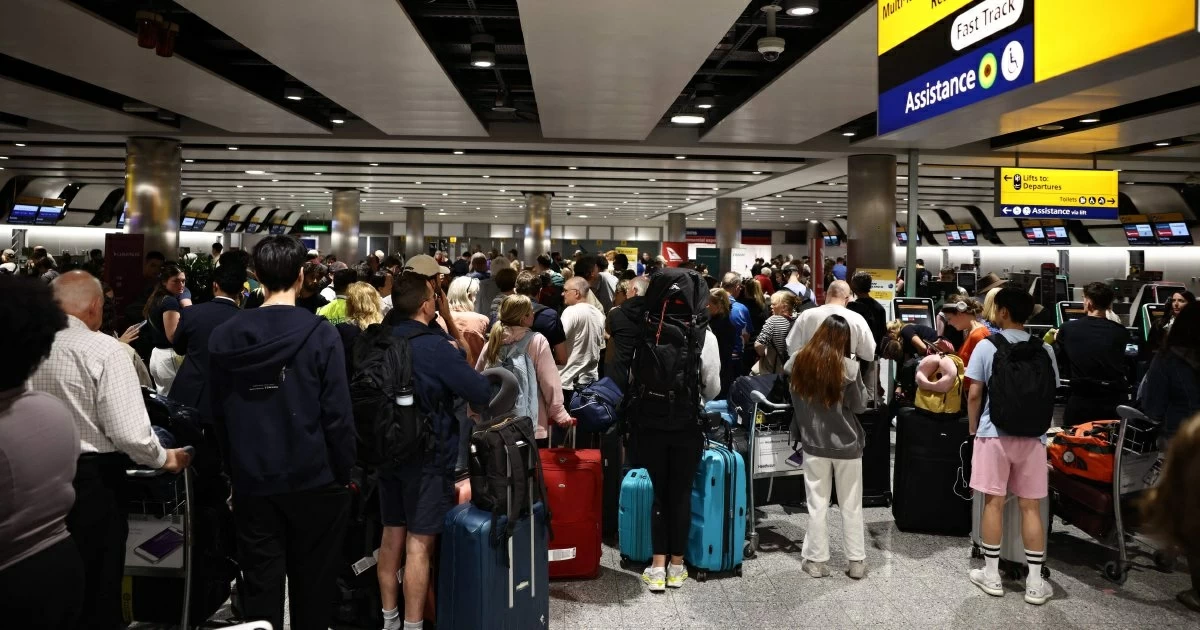
كشفت تقارير صحفية أن تعطل نظام معالجة خطط الرحلات التابع لخدمات الملاحة الجوية الوطنية البريطانية «NATS»، والذي تسبب في إلغاء أكثر من 2000 رحلة وتأثر مئات الآلاف من المسافرين، ارتبط بخطة رحلة قدمتها طائرة عسكرية بريطانية وتضمنت بيانات غير صحيحة أو مضللة.
ونقلت صحيفة «فايننشال تايمز» عن أربعة أشخاص مطلعين على الواقعة أن خطة الرحلة العسكرية أدت إلى خلل في أنظمة «NATS» المخصصة لمعالجة بيانات الرحلات، قبل أن يتوقف النظام عن العمل لنحو أربع ساعات، ما تسبب في اضطراب واسع بحركة الطيران في أنحاء المملكة المتحدة.
وأفادت صحيفة «الغارديان» بأن البيانات التي أدخلتها الطائرة العسكرية ربما كانت وراء بدء سلسلة الأعطال، إلا أن ملابسات الواقعة لم تُحسم بشكل نهائي. وقالت وزارة الدفاع البريطانية إنه لا توجد مؤشرات في الوقت الحالي على ارتكاب الطائرة العسكرية خطأ، فيما تستمر التحقيقات لتحديد السبب الدقيق للعطل.
وبدأت الأزمة (الثلاثاء) الماضي، عندما أعلنت «NATS» تعرض نظام معالجة الرحلات لمشكلة تقنية أدت إلى اضطراب عمليات المغادرة في عدد من المطارات البريطانية. ورغم إصلاح النظام بعد ساعات، استمرت تداعيات العطل بسبب تراكم التأخيرات وإعادة تنظيم الرحلات والطائرات وأطقم شركات الطيران.
وتأثرت مطارات رئيسية بالأزمة، بينها هيثرو وغاتويك ومانشستر وستانستد، فيما امتدت التداعيات إلى الرحلات القادمة إلى بريطانيا وأجزاء أخرى من شبكة الطيران الأوروبية. وبحلول اليوم التالي، تجاوز عدد الرحلات الملغاة 2000 رحلة، بينما واجه مئات الآلاف من المسافرين تأخيرات وإلغاءات واضطرابات في خطط سفرهم.
وأثارت الأزمة تساؤلات بشأن قدرة البنية التحتية الرقمية المسؤولة عن إدارة المجال الجوي البريطاني على التعامل مع الأعطال المفاجئة، ولا سيما بعدما أفادت تقارير بأن نظام معالجة الرحلات لم يكن يمتلك نظاماً احتياطياً مخصصاً يمكنه تولي العمليات فور تعطل النظام الأساسي.
ووفق «فايننشال تايمز»، كانت «NATS» في خضم عملية تحديث واسعة لأنظمتها، فيما لم يكن إنشاء نظام احتياطي كامل للبيانات خياراً مطبقاً، وسط تقديرات بأن مضاعفة البنية التحتية والبيانات كانت ستكلف مبالغ كبيرة.
وأعادت الأزمة إلى الواجهة تداعيات عطل مشابه شهدته بريطانيا في أغسطس 2023، عندما أدى خلل فني في نظام تخطيط الرحلات إلى اضطراب واسع في حركة الطيران وتأخير نحو 1600 رحلة. وبعد تلك الواقعة، وضعت هيئة الطيران المدني البريطانية عشرات التوصيات لتعزيز مرونة أنظمة «NATS» وتجنب تكرار مثل هذه الحوادث.
وتسببت الأزمة الجديدة في ضغوط سياسية على الرئيس التنفيذي لـ«NATS» مارتن رولف، الذي استدعته وزيرة النقل البريطانية هايدي ألكسندر، فيما طلبت منه تقديم تقرير عن أسباب العطل خلال أسبوع. كما كلفت الحكومة هيئة الطيران المدني بإجراء مراجعة مستقلة للواقعة، لتحديد أسبابها ومدى إمكانية تجنبها.
Reports have revealed that the failure of the British National Air Traffic Services' (NATS) flight plan processing system, which led to the cancellation of over 2,000 flights and affected hundreds of thousands of travelers, was linked to a flight plan submitted by a British military aircraft that included incorrect or misleading data.
The Financial Times reported that four people familiar with the incident stated that the military flight plan caused a malfunction in the NATS systems designated for processing flight data, before the system stopped working for about four hours, resulting in widespread disruption to air traffic across the UK.
The Guardian reported that the data entered by the military aircraft may have been behind the start of the series of failures, although the circumstances of the incident have not been definitively resolved. The British Ministry of Defence stated that there are currently no indications that the military aircraft made an error, while investigations continue to determine the exact cause of the malfunction.
The crisis began last Tuesday when NATS announced that its flight processing system had encountered a technical issue that disrupted departure operations at several British airports. Although the system was repaired after hours, the repercussions of the failure continued due to the accumulation of delays and the reorganization of flights, aircraft, and airline crews.
Major airports were affected by the crisis, including Heathrow, Gatwick, Manchester, and Stansted, while the repercussions extended to flights arriving in Britain and other parts of the European air traffic network. By the following day, the number of canceled flights exceeded 2,000, while hundreds of thousands of travelers faced delays, cancellations, and disruptions to their travel plans.
The crisis raised questions about the capability of the digital infrastructure responsible for managing British airspace to handle sudden failures, especially after reports indicated that the flight processing system did not have a dedicated backup system that could take over operations immediately upon the failure of the primary system.
According to the Financial Times, NATS was in the midst of a wide-ranging update of its systems, while establishing a complete backup data system was not a viable option, amid estimates that doubling the infrastructure and data would have cost significant amounts.
The crisis brought back to the forefront the repercussions of a similar failure that occurred in Britain in August 2023, when a technical glitch in the flight planning system caused widespread disruption in air traffic and delayed about 1,600 flights. After that incident, the UK Civil Aviation Authority issued dozens of recommendations to enhance the resilience of NATS systems and avoid the recurrence of such incidents.
The new crisis has put political pressure on NATS CEO Martin Rolfe, who was summoned by British Transport Secretary Heidi Alexander, who requested him to provide a report on the causes of the malfunction within a week. The government also tasked the Civil Aviation Authority with conducting an independent review of the incident to determine its causes and whether it could have been avoided.