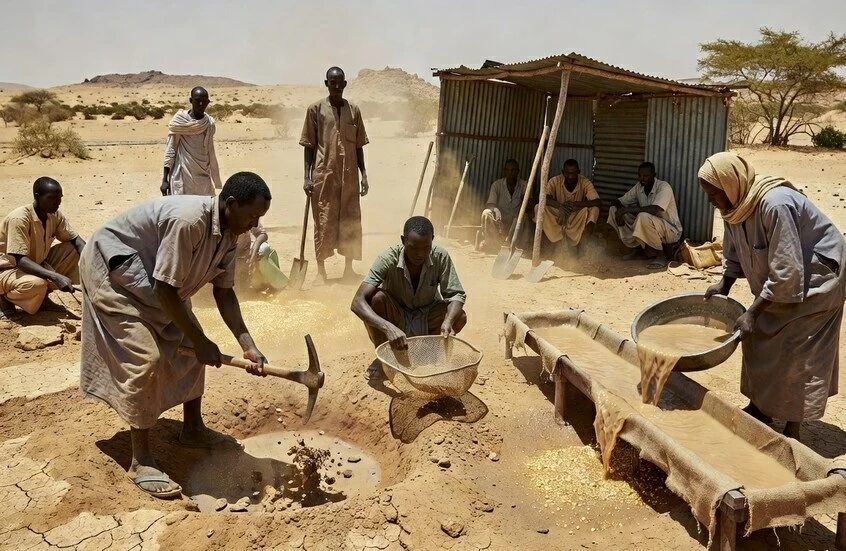
لم يعد المعدن الأصفر في الخرطوم رمزاً للثراء أو ملاذاً آمناً، بل تحول في نظر العواصم الكبرى إلى «ذهب الدماء» الذي يغذي آلة الحرب ويطيل أمد المأساة الإنسانية. وفي خطوة مفاجئة هزت أسواق المعادن النفيسة، وجه المجلس الفيدرالي السويسري ضربة قاصمة لتجارة الذهب السوداني عبر إغلاق خزائنه ومصافيه الشهيرة عالمياً في وجه الخام القادم من الأراضي المشتعلة.
القرار السويسري الصارم لم يكتفِ بمنع الشراء والاستيراد وعبور الشحنات (الترانزيت) عبر أراضيها، بل خنق هذه التجارة من جذورها عبر حظر تقديم أي خدمات تمويلية أو استشارية مرتبطة بها. ولم تقف برن عند هذا الحد، بل وجهت طعنة لعمليات التعدين ذاتها عبر منع بيع وتوريد المواد الكيميائية الحيوية المستخدمة في استخلاص الذهب إلى الداخل السوداني، لتسد بذلك كل منافذ الالتفاف على العقوبات.
هذه الخطوة السويسرية الشاملة تأتي لتُكمل حلقة الحصار التي بدأتها القوى الكبرى، حيث سبق للولايات المتحدة عبر وزارة الخزانة (OFAC) أن فرضت عقوبات مشددة على كبرى شركات التعدين والتمويل المرتبطة بطرفي الصراع مثل شركة «الجنيد» و«سودان ماستر»، وتبعتها بريطانيا والاتحاد الأوروبي بتجميد أصول الكيانات المتورطة في تغذية النزاع.
لكن المفارقة الكبرى التي تجعل القرار السويسري تحولاً فارقاً، هي أن عقوبات واشنطن ولندن وباقي التكتلات كانت «عقوبات موجهة» ضد أفراد وشركات محددة، بينما ذهبت سويسرا (بصفتها العاصمة الأولى لتكرير الذهب في العالم) نحو «حظر شامل ومطلق» يستهدف أصل المنشأ السوداني بالكامل.
ومع إغلاق المصافي السويسرية وحظر مواد الاستخلاص، أصبحت المليارات التي كانت تُنتج تحت ألسنة اللهب محاصرة في الأسواق المظلمة، ليتحول المعدن النفيس من محرك مالي للصراع إلى عبء تتجنبه البنوك العالمية تجنباً للوقوع تحت طائلة العقوبات الدولية.
The yellow metal in Khartoum is no longer a symbol of wealth or a safe haven; rather, it has transformed in the eyes of major capitals into "blood gold," which fuels the war machine and prolongs the humanitarian tragedy. In a surprising move that shook the precious metals markets, the Swiss Federal Council dealt a severe blow to Sudanese gold trade by closing its vaults and world-famous refineries to raw gold coming from the war-torn lands.
The strict Swiss decision did not stop at banning purchases, imports, and the transit of shipments through its territory; it strangled this trade at its roots by prohibiting any financial or advisory services related to it. Bern did not stop there; it also dealt a blow to the mining operations themselves by banning the sale and supply of the chemical substances used in gold extraction to Sudan, thus closing all loopholes to circumvent the sanctions.
This comprehensive Swiss move comes to complete the siege initiated by the major powers, as the United States, through the Treasury Department (OFAC), had previously imposed strict sanctions on major mining and financing companies linked to both sides of the conflict, such as the "Al-Junaid" and "Sudan Master" companies, followed by Britain and the European Union freezing the assets of entities involved in fueling the conflict.
However, the major irony that makes the Swiss decision a turning point is that the sanctions from Washington, London, and other blocs were "targeted sanctions" against specific individuals and companies, while Switzerland (as the world's primary gold refining capital) opted for a "comprehensive and absolute ban" that targets the entire Sudanese origin.
With the closure of Swiss refineries and the ban on extraction materials, the billions that were produced under the flames are now trapped in dark markets, turning the precious metal from a financial engine of conflict into a burden that global banks avoid to escape falling under international sanctions.