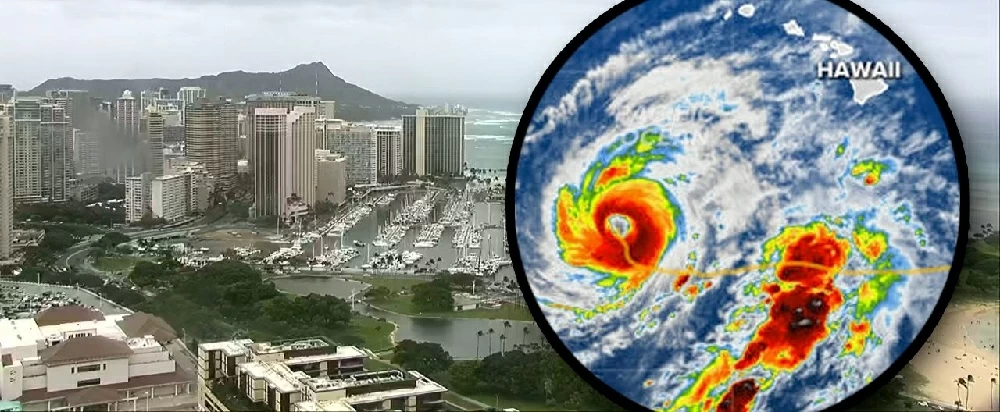
تحولت أجزاء واسعة من ولاية هاواي إلى مسرح لطقس عنيف بعدما مرّ إعصار لويل بمحاذاة الجزر الغربية، متسببًا في رياح قوية وأمطار غزيرة وأمواج مرتفعة أدت إلى أضرار كبيرة وانقطاع الكهرباء عن عشرات الآلاف. ورغم أن مركز الإعصار لم يعبر اليابسة، فإن اقترابه الشديد من كاواي ونيهاو جعل تأثيره مباشرًا على البنية التحتية والمناطق الساحلية، فيما امتدت تداعياته إلى أواهو أيضًا.
وخلال اقتراب لويل من الجزر، سجلت هبات رياح تجاوزت 80 ميلًا في الساعة، إلى جانب أمطار كثيفة رفعت مخاطر الفيضانات والانهيارات الأرضية. وكانت كاواي الأكثر تضررًا، إذ فقد نحو 90% من مشتركي الكهرباء الخدمة خلال ذروة العاصفة، بينما شهدت أواهو انقطاعات واسعة تجاوزت 20 ألف مشترك، ما وضع ضغطًا كبيرًا على فرق الإصلاح والطوارئ.
وتسببت الرياح في سقوط عدد كبير من الأشجار وخطوط الكهرباء، وسُجلت أضرار في منازل ومنشآت عدة؛ بينها منزل دُفع عن أساساته وآخر تضرر سقفه، إضافة إلى إصابة شخص بعد سقوط شجرة على منزل في كيلاويا. كما اجتاحت المياه والحطام بعض الطرق، وتعرضت أجزاء من طريق ساحلي للتدمير بفعل الأمواج القوية.
وفي أواهو، أعلنت السلطات وفاة رجل بلا مأوى بعدما سقطت شجرة على خيمته خلال الظروف الجوية القاسية، ما أثار مخاوف بشأن الأشخاص الذين يعيشون في أماكن مكشوفة وغير مجهزة لمواجهة الأعاصير.
ورفعت الأمطار الغزيرة احتمالات الفيضانات، إذ توقعت السلطات وصول الهطولات في بعض مناطق كاواي إلى نحو 24 بوصة، ما يعادل 61 سنتيمترًا، بينما استمرت التحذيرات من الأمواج العالية وتيارات السحب الخطرة على السواحل. كما شهدت الولاية تحذيرًا نادرًا من احتمال تشكل أعاصير قمعية في ظل اضطراب جوي صاحب العاصفة.
ومع اقتراب لويل، أغلقت السلطات المدارس والمكاتب الحكومية في كاواي وأواهو ونيهاو، وفتحت ملاجئ استقبلت مئات الأشخاص، فيما صدرت تعليمات للسكان بالبقاء في منازلهم وتجنب الطرق. وشارك أكثر من 300 فرد من الحرس الوطني في جهود الاستجابة، إلى جانب فرق الطوارئ التي عملت على إزالة الحطام وإعادة الخدمات الأساسية.
وكان لويل قد وصل سابقًا إلى الفئة الخامسة برياح بلغت 160 ميلًا في الساعة، لكنه فقد جزءًا كبيرًا من قوته قبل مروره قرب هاواي، ليصل كإعصار من الفئة الثانية. ورغم تراجعه، فإن اتساع نطاق رياحه وطبيعة تضاريس الجزر جعلا تأثيره قويًا حتى دون وصول مركزه إلى اليابسة.
ومع ابتعاد الإعصار، بدأت هاواي مرحلة التعافي، مع التركيز على إعادة الكهرباء وفتح الطرق وتقييم الأضرار، وسط تحذيرات من استمرار مخاطر الفيضانات والانهيارات في بعض المناطق. ومن المتوقع أن تتضح الصورة الكاملة للخسائر خلال الأيام القادمة مع وصول فرق التقييم إلى المناطق التي كانت معزولة أثناء ذروة العاصفة.
Large parts of Hawaii have turned into a stage for severe weather after Hurricane Lowell passed near the western islands, causing strong winds, heavy rains, and high waves that led to significant damage and power outages for tens of thousands. Although the center of the hurricane did not make landfall, its close approach to Kauai and Niihau made its impact direct on the infrastructure and coastal areas, with its repercussions extending to Oahu as well.
As Lowell approached the islands, wind gusts exceeded 80 miles per hour, along with heavy rains that increased the risks of flooding and landslides. Kauai was the most affected, with about 90% of electricity customers losing service during the peak of the storm, while Oahu experienced widespread outages affecting over 20,000 customers, putting significant pressure on repair and emergency teams.
The winds caused a large number of trees and power lines to fall, and damage was recorded in several homes and facilities; including a house that was pushed off its foundations and another that had its roof damaged, in addition to a person being injured after a tree fell on a house in Kilauea. Water and debris swept over some roads, and parts of a coastal road were destroyed by the strong waves.
In Oahu, authorities announced the death of a homeless man after a tree fell on his tent during the severe weather conditions, raising concerns about individuals living in exposed areas unprepared for hurricanes.
The heavy rains increased the likelihood of flooding, with authorities predicting that rainfall in some areas of Kauai could reach about 24 inches, equivalent to 61 centimeters, while warnings continued for high waves and dangerous rip currents along the coasts. The state also issued a rare warning about the potential formation of tornadoes due to the atmospheric disturbance accompanying the storm.
As Lowell approached, authorities closed schools and government offices in Kauai, Oahu, and Niihau, and opened shelters that accommodated hundreds of people, while residents were instructed to stay home and avoid the roads. More than 300 National Guard members participated in the response efforts, alongside emergency teams working to clear debris and restore essential services.
Lowell had previously reached Category 5 status with winds of 160 miles per hour, but it lost a significant portion of its strength before passing near Hawaii, arriving as a Category 2 hurricane. Despite its weakening, the extent of its winds and the nature of the islands' terrain made its impact strong even without the center making landfall.
As the hurricane moved away, Hawaii began its recovery phase, focusing on restoring electricity, opening roads, and assessing the damage, amid warnings of continued risks of flooding and landslides in some areas. The full picture of the losses is expected to become clear in the coming days as assessment teams reach areas that were isolated during the peak of the storm.