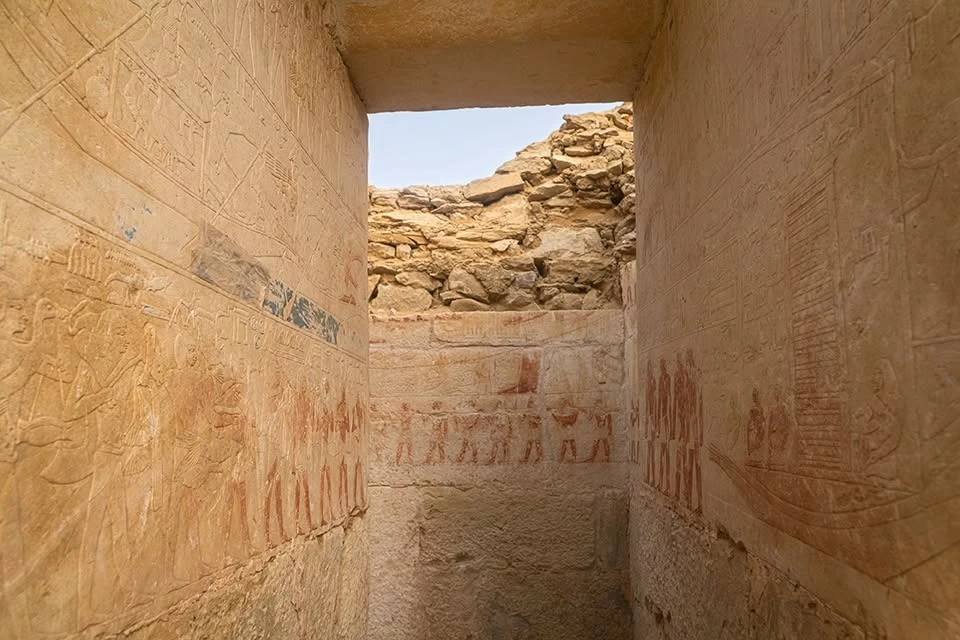
في كشف أثري جديد، أعلنت البعثة الأثرية الإسبانية المصرية المشتركة، العاملة بمنطقة آثار سقارة، عن اكتشاف مقبرة أثرية تعود إلى أواخر عصر الأسرة الخامسة، وتحديدًا إلى عهد الملك «جد كارع إيسسي»، وذلك خلال أعمال موسم حفائر البعثة لعام 2026 في المنطقة المعروفة باسم «جبانة مارييت» شمال سقارة.
وبحسب بيان رسمي، صدر اليوم (الإثنين) عن وزارة السياحة والآثار المصرية، تتمثل المقبرة المكتشفة في مصطبة متوسطة الحجم تضم مقصورتين جنائزيتين، تعود إحداهما إلى شخص يُدعى «يونمين»، الذي شغل عددًا من المناصب الرفيعة، من بينها القاضي، ومدير المحكمة، ورئيس الكتبة المختصين بالنظر في العرائض والشكاوى.
أما المقصورة الثانية فتخص والده «إيتي»، الذي شغل عددًا من الوظائف الكتابية المرتبطة بإدارة الأراضي الزراعية والقرابين.
ويأتي هذا الكشف في إطار مشروع علمي مشترك بين جامعة برشلونة المستقلة في إسبانيا والمجلس الأعلى للآثار، حيث تواصل البعثة أعمال الحفائر والبحث الأثري في المنطقة الواقعة شمال سقارة.
وأكد الأمين العام للمجلس الأعلى للآثار، الدكتور هشام الليثي، أهمية الكشف الأثري الجديد، موضحًا أنه يضيف معلومات أثرية جديدة حول جبانة سقارة خلال أواخر عصر الأسرة الخامسة، كما يلقي مزيدًا من الضوء على طبيعة المقابر وطرزها المعمارية والفنية، إلى جانب الوظائف الإدارية التي شغلها كبار موظفي الدولة خلال هذه الفترة من تاريخ مصر القديمة.
وأضاف أن موقع المصطبة كان معروفًا منذ حفائر عالم الآثار الفرنسي أوجست مارييت في القرن التاسع عشر، إلا أنه لم يخضع من قبل لأعمال تنقيب وتوثيق أثري وفق منهج علمي متكامل، وهو ما يضفي أهمية خاصة على أعمال البعثة والكشف الجديد.
تفاصيل المقبرة المكتشفة
وأوضح رئيس البعثة من جامعة برشلونة المستقلة، الدكتور جوسيب سير فيو أوتوري، أن المقبرة تضم مقصورتين جنائزيتين تفتحان على الجدار الشرقي للمصطبة، وتقع المقصورة الرئيسية الخاصة بـ«يونمين» في الجهة الشمالية.
وأضاف أن أعمال الحفائر كشفت داخل المقصورة عن واجهة معمارية مميزة تحمل نصوصًا جنائزية وصيغة للقرابين، إلى جانب تصوير لصاحب المقبرة في هيئة رسمية.
وزُينت جدران المقصورة كذلك بمناظر بارزة عالية الجودة تصور عددًا من الأنشطة الزراعية، إلى جانب مواكب نقل القرابين إلى المقبرة. واحتفظ عدد كبير من هذه المناظر بألوانه الأصلية، بما يعكس المستوى الفني المميز الذي بلغه فنانو تلك الفترة.
أما المقصورة الجنوبية، فتخص «إيتي»، والد «يونمين»، وتضم بابًا وهميًا وزخارف جدارية ملونة تصور مشاهد لتقديم القرابين، وإن كان جانب كبير من هذه الزخارف قد فُقد.
حفائر وتوثيق وصيانة
وأشار مدير عام منطقة آثار سقارة، الدكتور عمرو الطيبي، إلى أن البعثة انتهت من أعمال الحفائر والتوثيق العلمي الكامل للمقصورتين، إلى جانب تنفيذ برنامج متكامل لأعمال الصيانة والترميم والحفظ الأثري للعناصر المعمارية والزخرفية المكتشفة، بما يضمن الحفاظ عليها وصونها للأجيال القادمة.
In a new archaeological discovery, the joint Spanish-Egyptian archaeological mission working in the Saqqara archaeological area announced the discovery of a tomb dating back to the late Fifth Dynasty, specifically to the reign of King "Jedkar Isesi," during the excavation season of the mission for 2026 in the area known as the "Mariot Cemetery" north of Saqqara.
According to an official statement issued today (Monday) by the Egyptian Ministry of Tourism and Antiquities, the discovered tomb consists of a medium-sized mastaba that includes two burial chambers, one of which belongs to a person named "Yunmin," who held several high-ranking positions, including judge, court director, and head of the scribes responsible for reviewing petitions and complaints.
The second chamber belongs to his father "Eiti," who held several clerical positions related to the management of agricultural lands and offerings.
This discovery comes as part of a joint scientific project between the Autonomous University of Barcelona in Spain and the Supreme Council of Antiquities, as the mission continues its excavation and archaeological research in the area located north of Saqqara.
The Secretary-General of the Supreme Council of Antiquities, Dr. Hisham El-Leithy, confirmed the importance of the new archaeological discovery, explaining that it adds new archaeological information about the Saqqara necropolis during the late Fifth Dynasty, as well as shedding more light on the nature of the tombs and their architectural and artistic styles, alongside the administrative roles held by senior state officials during this period of ancient Egyptian history.
He added that the site of the mastaba has been known since the excavations of the French archaeologist Auguste Mariette in the 19th century, but it has not previously undergone excavation and archaeological documentation according to a comprehensive scientific methodology, which adds special importance to the mission's work and the new discovery.
Details of the Discovered Tomb
The head of the mission from the Autonomous University of Barcelona, Dr. Josep Serra i Vives, explained that the tomb includes two burial chambers that open onto the eastern wall of the mastaba, with the main chamber belonging to "Yunmin" located on the northern side.
He added that the excavation work revealed within the chamber a distinctive architectural facade bearing funerary texts and a formula for offerings, alongside a depiction of the tomb owner in an official form.
The walls of the chamber were also adorned with high-quality relief scenes depicting various agricultural activities, alongside processions of offerings being transported to the tomb. A large number of these scenes have retained their original colors, reflecting the distinctive artistic level achieved by the artists of that period.
The southern chamber belongs to "Eiti," the father of "Yunmin," and includes a false door and colorful wall decorations depicting scenes of offering presentations, although a significant portion of these decorations has been lost.
Excavation, Documentation, and Conservation
The General Director of the Saqqara Antiquities Area, Dr. Amr El-Tayeb, indicated that the mission has completed the excavation and full scientific documentation of the two chambers, alongside implementing a comprehensive program for the conservation, restoration, and archaeological preservation of the discovered architectural and decorative elements, ensuring their maintenance and safeguarding for future generations.