من نافذة الطائرة، وقبل الهبوط في باكو، تبدو الأرض جافة في أجزاء واسعة منها، ثم يظهر بحر قزوين وتبدأ ملامح العاصمة الأذربيجانية في الاتساع، لكن الصورة من الأعلى لا تقول الكثير عما ينتظر الزائر في الأسفل.
«عكاظ» وصلت إلى باكو، وقررت أن تمشي فيها، بعيداً عن الصور السياحية الجاهزة، بحثاً عن المدينة كما يعيشها أهلها، وعن تاريخها، وصلتها بالعرب والمسلمين، وما الذي جعلها خلال السنوات الأخيرة حاضرة في خيارات السفر لدى السعوديين.
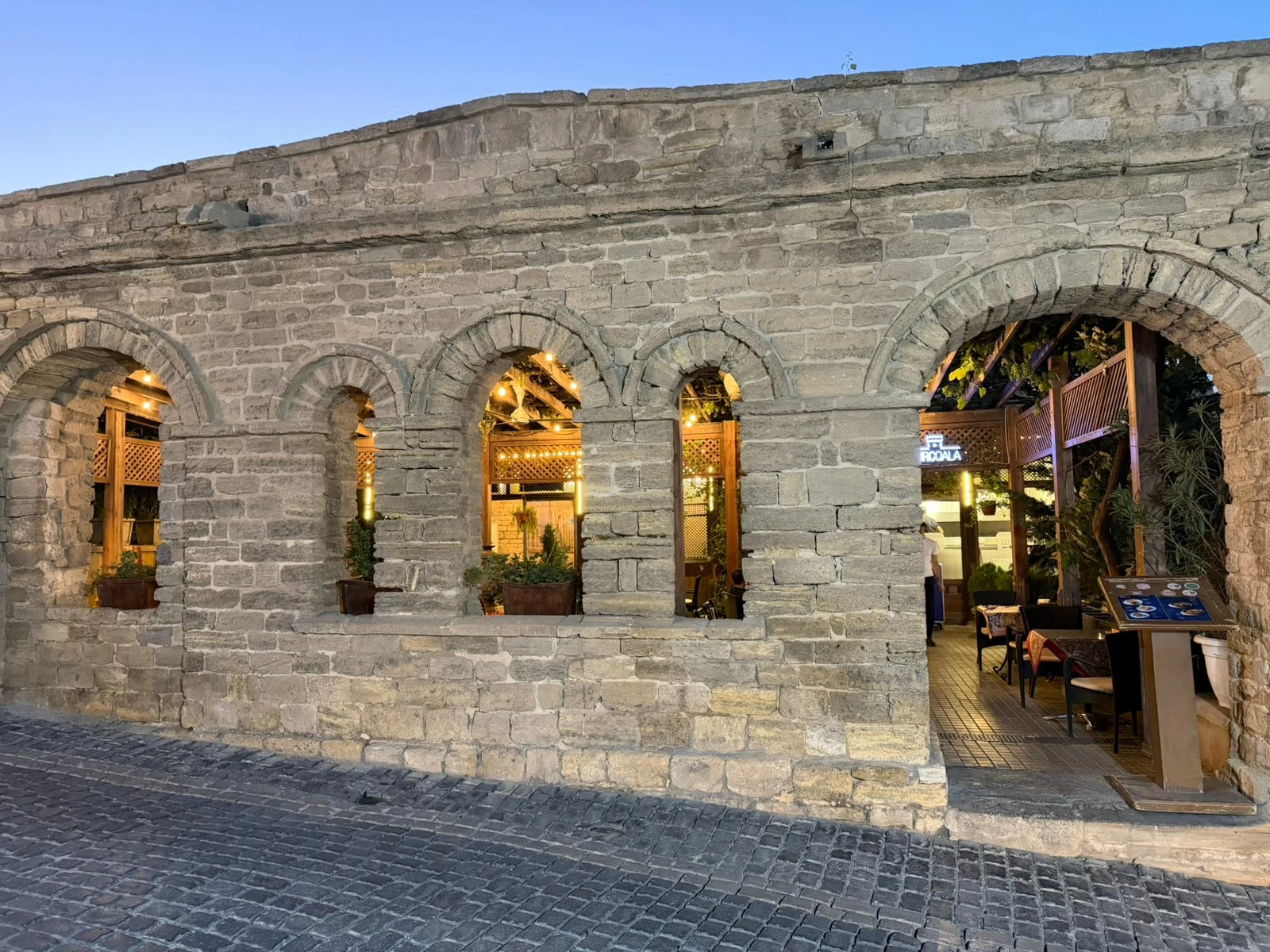
أول ما يلفت النظر هنا أن باكو لا تحاول إخفاء عمرها، ففي قلب العاصمة سور، وخلف السور مدينة كاملة تعرف باسم «إتشري شهر» تدخل إليها سيراً، فتضيق الطرق وتتغير الأرض تحت قدميك إلى حجارة، وتختفي المباني الزجاجية خلف بيوت قديمة، وشرفات ومساجد ومحلات صغيرة، هنا توجد باكو التي سبقت النفط والأبراج والفنادق الحديثة.
وفي أحد أشهر مواقعها يقف «برج العذراء»، ذلك البناء الحجري الذي أصبح رمزاً للمدينة، وعلى مسافة منه قصر الشروانشاه. والمنطقة بأكملها مدرجة ضمن قائمة التراث العالمي لليونسكو.
لكن ما يهم الزائر السعودي والخليجي أكثر أن تاريخ هذه المدينة يحمل فصلاً عربياً قديماً.
وصل المسلمون إلى أراضي أذربيجان في القرن السابع الميلادي، ودخلت أجزاء واسعة منها ضمن الحكم الإسلامي. وتذكر اليونسكو التأثير العربي ضمن الطبقات الحضارية التي شكلت مدينة باكو المسورة، إلى جانب تأثيرات فارسية وعثمانية وروسية وغيرها.
لهذا لا يبدو المسجد داخل المدينة القديمة مبنى غريباً عن المكان. الإسلام هنا جزء من تاريخ البلد، وإن مرت أذربيجان لاحقاً بتحولات سياسية ودينية طويلة، كان من أكثرها تأثيراً وقوعها لعقود تحت الحكم السوفياتي.
لماذا النار؟
السؤال سيطارد الزائر منذ وصوله: لماذا ترتبط أذربيجان بالنار؟
الإجابة تحت الأرض، فالبلاد تمتلك احتياطيات كبيرة من النفط والغاز، وعرفت بعض مناطقها منذ القدم تسرب الغاز الطبيعي واشتعاله على سطح الأرض. ومن هنا ارتبطت النار بتاريخ هذه المنطقة حتى أصبحت جزءاً من صورتها وهويتها السياحية.
وفي باكو اليوم لا تحتاج إلى قراءة كتاب لتعرف مدى حضور هذا الرمز؛ ارفع رأسك ليلاً وسترى ثلاثة أبراج ضخمة على هيئة ألسنة لهب تضيء فوق المدينة: «أبراج اللهب».
غير أن الثروة التي غيرت باكو فعلياً كانت النفط.
في أواخر القرن التاسع عشر تحولت المدينة إلى واحدة من أهم مراكز صناعة النفط في العالم، وتدفقت إليها الأموال والاستثمارات والعمال. وتوسعت باكو خارج سورها القديم، وظهرت مبانٍ وشوارع جديدة لا يزال كثير منها قائماً حتى اليوم.
ولهذا يمكن فهم المدينة بصورة أفضل عندما تمشي فيها بدلاً من المرور بها بالسيارة.
داخل السور ترى باكو القديمة. تخرج منه فتجد مباني مرحلة الازدهار النفطي. تواصل باتجاه بحر قزوين فتصل إلى مدينة حديثة وفنادق ومراكز تجارية وأبراج جديدة.
السعوديون هنا
بالنسبة إلى السعودي، أصبحت المسافة إلى أذربيجان أقصر مما توحي به الخريطة.
رحلات الطيران والاهتمام السياحي المتزايد سهّلا الوصول، وجاء قرار أذربيجان بإعفاء المواطنين السعوديين من تأشيرة الدخول خلال الفترة من 15 فبراير 2026 إلى 15 فبراير 2027 ليضيف سبباً آخر لزيارة البلاد.
لكن باكو ليست كل أذربيجان، فخارج العاصمة تبدأ صورة أخرى؛ جبال وقرى ومدن صغيرة وغابات ومناطق تختلف في طبيعتها وطقسها عن ساحل بحر قزوين. وهذا ما ستذهب «عكاظ» للبحث عنه أيضاً في تقرير لاحق.
From the airplane window, and before landing in Baku, the land appears dry in large parts, then the Caspian Sea comes into view and the features of the Azerbaijani capital begin to expand, but the image from above doesn't say much about what awaits the visitor below.
“Okaz” arrived in Baku and decided to walk through it, away from the ready-made tourist images, in search of the city as its residents live it, its history, its connection to Arabs and Muslims, and what has made it a popular travel choice for Saudis in recent years.
The first thing that catches the eye here is that Baku does not try to hide its age; in the heart of the capital is a wall, and behind the wall is a complete city known as “Icheri Sheher” that you enter on foot, where the roads narrow and the ground beneath your feet changes to stones, and glass buildings disappear behind old houses, balconies, mosques, and small shops. Here lies Baku, which predates oil, towers, and modern hotels.
In one of its most famous sites stands the “Maiden Tower,” that stone structure which has become a symbol of the city, and at a distance from it is the Shirvanshahs' Palace. The entire area is listed as a UNESCO World Heritage site.
But what is more important to the Saudi and Gulf visitor is that the history of this city carries an ancient Arab chapter.
Muslims arrived in the lands of Azerbaijan in the seventh century AD, and large parts of it came under Islamic rule. UNESCO mentions the Arab influence among the civilizational layers that shaped the walled city of Baku, alongside Persian, Ottoman, Russian, and other influences.
Thus, the mosque within the old city does not seem like a strange building in the place. Islam here is part of the country’s history, even though Azerbaijan later underwent long political and religious transformations, the most impactful of which was its decades under Soviet rule.
Why Fire?
The question will haunt the visitor from the moment they arrive: why is Azerbaijan associated with fire?
The answer lies underground, as the country possesses large reserves of oil and gas, and some of its areas have been known since ancient times for natural gas leaks that ignite on the surface. From here, fire became linked to the history of this region, becoming part of its image and tourism identity.
In Baku today, you don’t need to read a book to know how present this symbol is; just look up at night and you will see three massive towers shaped like flames illuminating the city: the “Flame Towers.”
However, the wealth that truly transformed Baku was oil.
In the late 19th century, the city became one of the most important oil production centers in the world, attracting money, investments, and workers. Baku expanded beyond its old walls, and new buildings and streets emerged, many of which still stand today.
For this reason, the city can be better understood when you walk through it rather than passing through by car.
Inside the wall, you see old Baku. You exit it and find buildings from the oil boom era. Continuing towards the Caspian Sea, you reach a modern city with hotels, shopping centers, and new towers.
Saudis Here
For Saudis, the distance to Azerbaijan has become shorter than what the map suggests.
Flight routes and the increasing tourist interest have facilitated access, and Azerbaijan's decision to exempt Saudi citizens from entry visas from February 15, 2026, to February 15, 2027, adds another reason to visit the country.
But Baku is not all of Azerbaijan; outside the capital begins another image: mountains, villages, small towns, forests, and areas that differ in nature and climate from the Caspian Sea coast. This is what “Okaz” will also seek to explore in a later report.