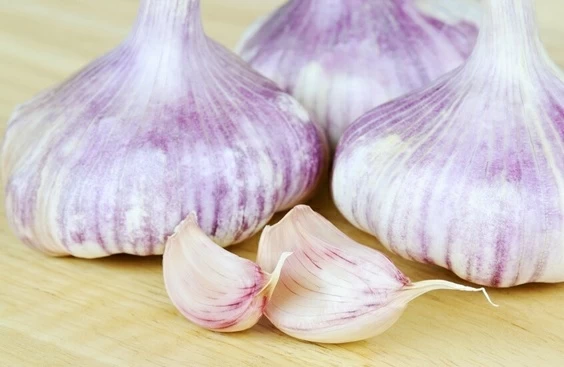
حذر أخصائي الأوعية الدموية الدماغية الدكتور ألكسندر شيشونين من الاعتقاد الشائع بقدرة الثوم على التخلص من لويحات تصلب الشرايين، مؤكداً أنه رغم خصائصه الوقائية القوية إلا أنه لا يمكن اعتباره علاجاً نهائياً أو بديلاً طبياً لإزالة ترسبات الكوليسترول المتراكمة.
وأوضح الطبيب الروسي أن الثوم يُعد جزءاً صحياً مفيداً ضمن النظام الغذائي، مشدداً على كواليس تأثيره وحقيقة دوره الوقائي عبر المحاور التالية:
- فوائد مثبتة ولكن: يحتوي الثوم على مركبات بيولوجية مضادة للالتهابات والبكتيريا تدعم بطانة الأوعية الدموية وصحة الأمعاء، لكن من المستحيل فنياً أن يزيل الترسبات الدهنية (اللويحات) بعد تشكلها داخل الشرايين.
- تحذير من الإفراط: حذر من زيادة كميات الثوم في الوجبات اليومية بدافع تحقيق «تأثير علاجي سحري»، مشيراً إلى أن ذلك لن يغير من واقع انسداد الأوعية الدموية.
- النهج العلاجي الصحيح: يتطلب التعامل مع تصلب الشرايين تحديد العوامل المسببة للمرض أولاً، والاعتماد على خطة علاجية شاملة ترتكز بالأساس على تعديل النمط الغذائي وممارسة النشاط البدني المنتظم لضمان تدفق الدم بشكل طبيعي إلى أعضاء الجسم.
Dr. Alexander Shichonin, a specialist in cerebrovascular diseases, warned against the common belief that garlic can eliminate atherosclerotic plaques, emphasizing that despite its strong protective properties, it cannot be considered a definitive treatment or a medical alternative for removing accumulated cholesterol deposits.
The Russian doctor explained that garlic is a beneficial healthy component of the diet, stressing the nuances of its effects and the reality of its preventive role through the following points:
- Proven benefits, but: Garlic contains biological compounds that are anti-inflammatory and antibacterial, supporting the endothelial lining of blood vessels and gut health, but it is technically impossible to remove fatty deposits (plaques) once they have formed inside the arteries.
- Warning against excess: He warned against increasing the amounts of garlic in daily meals in pursuit of achieving a "magical therapeutic effect," noting that this will not change the reality of vascular obstruction.
- The correct therapeutic approach: Addressing atherosclerosis requires first identifying the underlying causes of the disease and relying on a comprehensive treatment plan primarily based on dietary modification and regular physical activity to ensure normal blood flow to the body's organs.