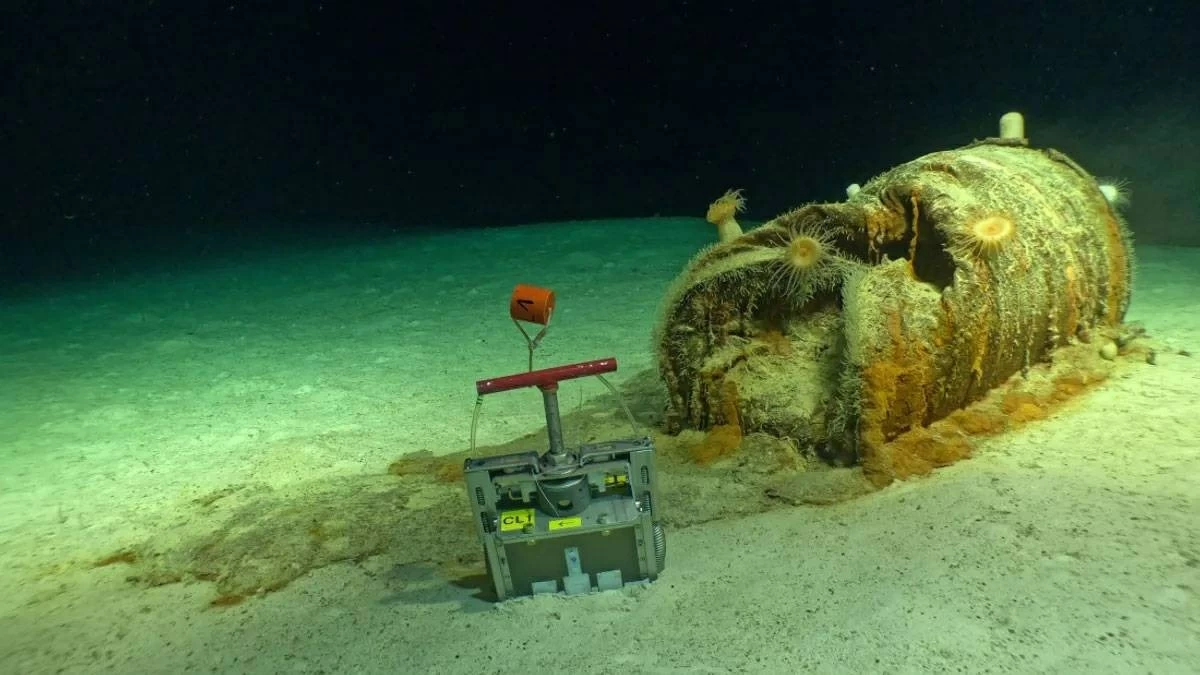
بين عامي 1950 و1990، ابتلع المحيط الأطلسي أكثر من 200 ألف برميل من النفايات المشعة، بعدما اعتقدت دول عدة أن إلقاء المخلفات النووية في الأعماق السحيقة هو الحل الأمثل والأكثر أماناً لعزلها للأبد عن البشر والبيئة.
لكن نتائج بعثة «نودسوم» العلمية (NODSSUM) الأخيرة (التي ضمت 30 عالماً واستخدمت الغواصة الفرنسية «نوتيل» للغوص إلى عمق يتجاوز 4700 متر) كشفت عن التفاصيل الحقيقية لما حدث لهذه الحاويات تحت ضغط المياه المظلمة.
وجاءت نتائج فحص البراميل في قاع الأطلسي على النحو التالي:
- التآكل والتسرب: أظهرت الغطسات الميدانية أن مياه البحر المالحة نالت من الهياكل المعدنية، حيث تعرضت بعض البراميل للتلف والتآكل، وتسربت كميات من محتوياتها إلى الرواسب والمياه المحيطة.
- ارتفاع الإشعاع ولكن: سجل الباحثون مستويات إشعاع أعلى من المعدل الطبيعي بالقرب من الحاويات المتضررة، إلا أن النسبة إجمالاً بقيت منخفضة ولم تظهر علامات على وجود تلوث إشعاعي واسع النطاق أو كارثة بيئية ممتدة.
- استعمار بحري مفاجئ: في واحدة من أكثر المشاهد إثارة، كشفت الصور نمو كائنات بحرية فوق الأسطح المعدنية للبراميل، متحولة إلى موطن حيوي للعديد من أشكال الحياة في الأعماق.
ويؤكد العلماء أن استقرار نسب الإشعاع حالياً لا يعني إغلاق الملف، فالخطر القادم يكمن في مسار المواد المشعة بعد خروجها: هل ستتحرك مع التيارات، أم ستستقر في الرواسب، أم ستدخل تدريجياً إلى السلسلة الغذائية للكائنات البحرية؟
ويمكن القول إن قصة هذه البراميل تعيد تذكير العالم بالحقيقة الغائبة: «كل ما نلقيه في قاع البحر لا يختفي أبداً.. بل يعاد تدويره في الطبيعة بصورة أو بأخرى».
Between 1950 and 1990, the Atlantic Ocean swallowed more than 200,000 barrels of radioactive waste, as several countries believed that dumping nuclear waste in the deep sea was the best and safest solution to isolate it forever from humans and the environment.
However, the results of the recent scientific mission "NODSSUM" (which included 30 scientists and used the French submarine "Nautile" to dive to depths exceeding 4,700 meters) revealed the true details of what happened to these containers under the pressure of dark waters.
The results of the examination of the barrels at the bottom of the Atlantic were as follows:
- Corrosion and leakage: Field dives showed that the salty seawater affected the metal structures, with some barrels suffering damage and corrosion, leading to the leakage of quantities of their contents into the surrounding sediments and waters.
- Increased radiation but: Researchers recorded radiation levels higher than the normal rate near the damaged containers; however, the overall ratio remained low and showed no signs of widespread radioactive contamination or an extended environmental disaster.
- Unexpected marine colonization: In one of the most striking scenes, images revealed the growth of marine organisms on the metal surfaces of the barrels, turning them into a habitat for many forms of life in the depths.
Scientists confirm that the current stability of radiation levels does not mean the case is closed; the impending danger lies in the path of radioactive materials after their release: Will they move with the currents, settle in the sediments, or gradually enter the food chain of marine organisms?
It can be said that the story of these barrels serves as a reminder to the world of the missing truth: "Everything we throw into the bottom of the sea never disappears... but is recycled in nature in one way or another."