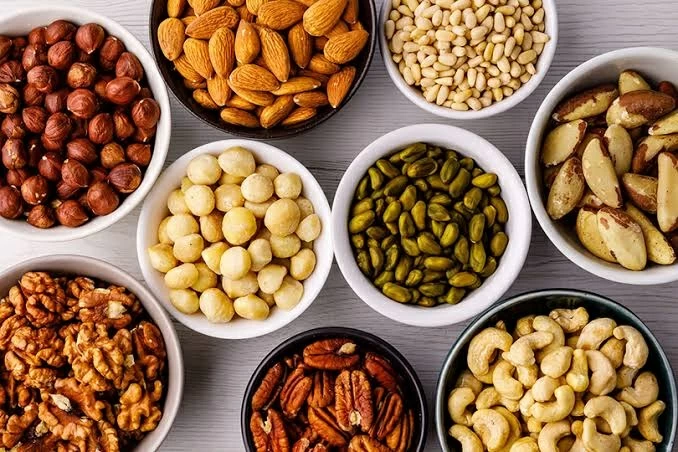
أظهرت دراسة حديثة أن تناول كمية صغيرة من المكسرات يوميًا قد يسهم في خفض خطر الإصابة بارتفاع ضغط الدم، في نتيجة وصفت بأنها غير متوقعة مقارنة بما كان يُعتقد سابقًا حول تأثير هذه الأطعمة على صحة القلب والأوعية الدموية.
ونُشرت الدراسة في مجلة British Journal of Nutrition، مؤكدة أن كل زيادة مقدارها 28 غرامًا يوميًا ترتبط بانخفاض خطر الإصابة بارتفاع ضغط الدم بنسبة تصل إلى 20%.
تراجع ملحوظ في الخطر
اعتمد الباحثون على تحليل ثماني دراسات استباقية شملت أكثر من 143 ألف شخص تتراوح أعمارهم بين 18 و87 عامًا، وسُجل خلال فترة المتابعة أكثر من 20 ألف حالة إصابة بارتفاع ضغط الدم. وعند مقارنة مستويات الاستهلاك، تبين أن الأشخاص الذين تناولوا أكبر كميات من المكسرات كانوا أقل عرضة للإصابة بنسبة 16% مقارنة بمن تناولوا أقلها، بينما ارتبطت زيادة يومية بنحو 30 غرامًا بانخفاض في الخطر بنسبة 26%. ولم تظهر البيانات أي فائدة إضافية عند تجاوز هذه الكمية.
كيف تدعم المكسرات صحة القلب؟
تحتوي المكسرات على مجموعة واسعة من العناصر الغذائية التي تدعم صحة القلب؛ من بينها الألياف، والدهون غير المشبعة، والمغنيسيوم، والبوتاسيوم، وفيتامينات متعددة، إضافة إلى البروتين النباتي. وتشير الأبحاث إلى أن هذه العناصر قد تساعد في الحفاظ على ضغط دم صحي؛ فالمغنيسيوم يعمل كمثبط طبيعي لقنوات الكالسيوم، ما يساهم في ارتخاء الأوعية الدموية، بينما يساعد البوتاسيوم على موازنة تأثيرات الصوديوم وتقليل التوتر داخل جدران الأوعية.
الفستق في دائرة الضوء
وتوضح أخصائية التغذية في مستشفى كليفلاند كلينك، كريستين كيركباتريك، أن جميع أنواع المكسرات يمكن أن تدعم الصحة القلبية، لكنها تشير إلى أن الجوز والفول السوداني واللوز تحتوي على نسب أعلى من حمض (إل-أرجينين)، الذي يساعد على توسع الأوعية الدموية. أما ميشيل روثنشتاين، المتخصصة في الوقاية من أمراض القلب، فتلفت إلى أن الفستق الحلبي يستحق اهتمامًا خاصًا، إذ تشير الدراسات إلى قدرته على خفض ضغط الدم الانقباضي بشكل معتدل بفضل محتواه من البوتاسيوم والدهون غير المشبعة والألياف ومضادات الأكسدة.
الابتعاد عن المكسرات المحلاة
تجمع آراء الخبراء على أن طريقة تحضير المكسرات قد تكون أكثر أهمية من نوعها؛ فالمكسرات غير المملحة أو قليلة الملح تساعد على الحد من استهلاك الصوديوم، وهو عامل رئيسي في ضبط ضغط الدم. كما تحذر روثنشتاين من المكسرات المُغطّاة بالسكر أو المحلاة، إضافة إلى خلطات الوجبات الخفيفة التي تجمع بين المكسرات ومكونات عالية الصوديوم مثل البريتزل والبسكويت المالح.
وتشدد على ضرورة الانتباه إلى حجم الحصة، إذ إن المكسرات كثيفة السعرات الحرارية، موصية بالاكتفاء بحفنة صغيرة أو نحو أونصة واحدة في كل مرة، بدلاً من تناول كميات كبيرة على مدار اليوم. وتؤكد أن الهدف ليس البحث عن (طعام خارق)، بل بناء نظام غذائي متوازن يدعم صحة القلب ويوفر تنوعًا غذائيًا كافيًا.
A recent study has shown that consuming a small amount of nuts daily may contribute to reducing the risk of high blood pressure, in a finding described as unexpected compared to what was previously believed about the impact of these foods on cardiovascular health.
The study was published in the British Journal of Nutrition, confirming that every increase of 28 grams per day is associated with a reduction in the risk of high blood pressure by up to 20%.
Significant Reduction in Risk
The researchers relied on the analysis of eight prospective studies that included more than 143,000 people aged between 18 and 87 years, during which more than 20,000 cases of high blood pressure were recorded. When comparing consumption levels, it was found that individuals who consumed the largest amounts of nuts were 16% less likely to develop high blood pressure compared to those who consumed the least, while a daily increase of about 30 grams was associated with a 26% reduction in risk. The data showed no additional benefits when exceeding this amount.
How Do Nuts Support Heart Health?
Nuts contain a wide range of nutrients that support heart health, including fiber, unsaturated fats, magnesium, potassium, various vitamins, and plant protein. Research indicates that these elements may help maintain healthy blood pressure; magnesium acts as a natural calcium channel blocker, contributing to the relaxation of blood vessels, while potassium helps balance the effects of sodium and reduce stress within the vessel walls.
Pistachios in the Spotlight
Kristin Kirkpatrick, a nutritionist at the Cleveland Clinic, explains that all types of nuts can support heart health, but she notes that walnuts, peanuts, and almonds have higher levels of (L-arginine), which helps with vasodilation. Meanwhile, Michelle Rothenstein, a specialist in heart disease prevention, points out that pistachios deserve special attention, as studies indicate their ability to moderately lower systolic blood pressure due to their potassium, unsaturated fats, fiber, and antioxidant content.
Avoiding Sugared Nuts
Experts agree that the way nuts are prepared may be more important than the type; unsalted or low-salt nuts help reduce sodium intake, which is a key factor in controlling blood pressure. Rothenstein also warns against nuts coated in sugar or sweetened, as well as snack mixes that combine nuts with high-sodium ingredients like pretzels and salty crackers.
She emphasizes the importance of paying attention to portion size, as nuts are calorie-dense, recommending sticking to a small handful or about one ounce at a time, rather than consuming large amounts throughout the day. She confirms that the goal is not to seek out a "superfood," but to build a balanced diet that supports heart health and provides sufficient dietary variety.