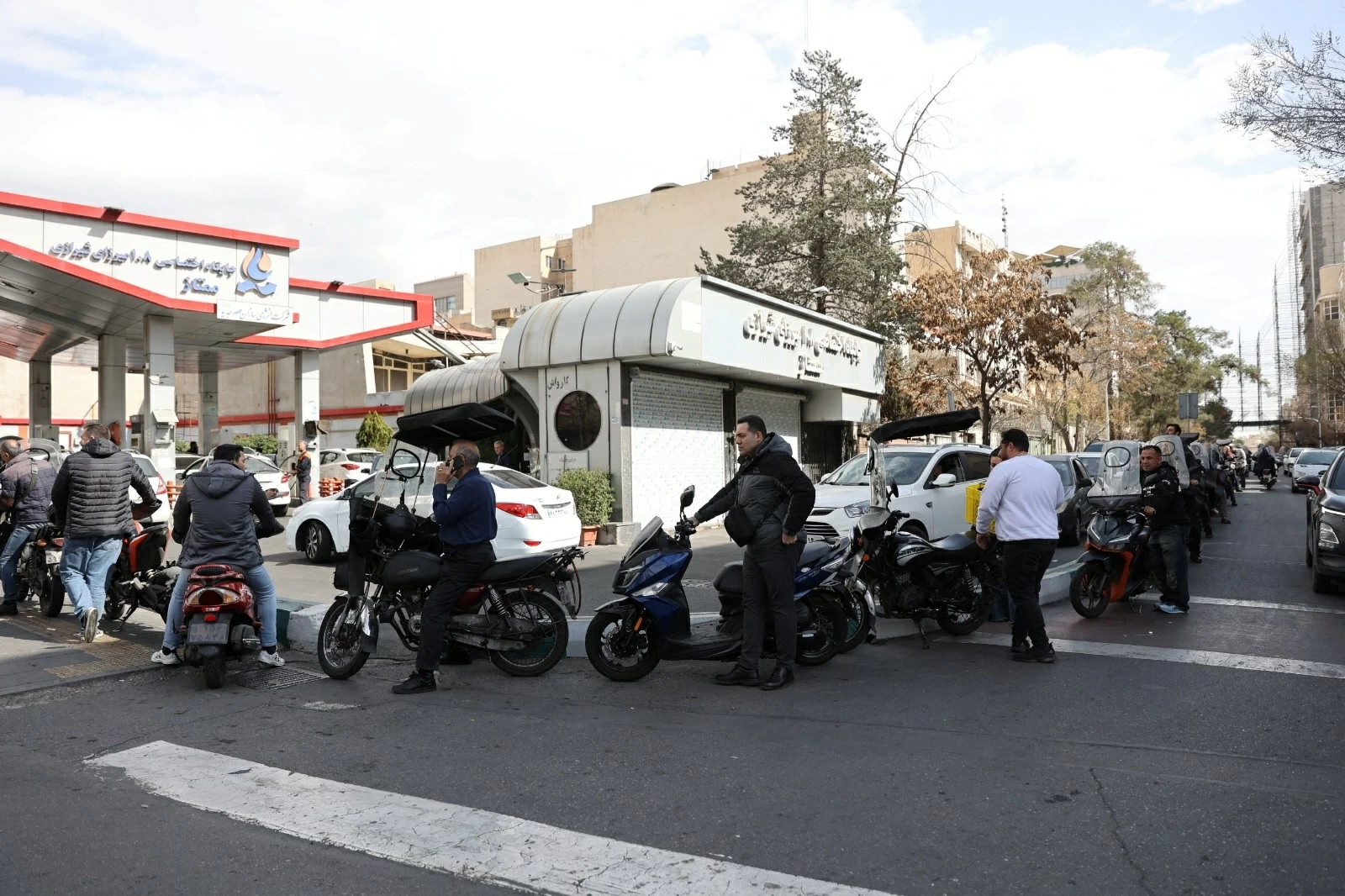
وسط ضغوط متزايدة تفرضها الحرب على الاقتصاد الإيراني، تشهد محطات الوقود في العاصمة طهران طوابير متزايدة، وينتظر السائقون ساعات عدة للحصول على البنزين، في وقت يهدد تشديد الحصار والعقوبات الأمريكية بمفاقمة الأزمة.
فرض خطة العزل الاقتصادي
وفيما ينتظر بعض الإيرانيين ساعتين أو أكثر للحصول على الوقود، يتحدث المسؤولون عن احتمال خفض الدعم الكبير المقدم للبنزين، في محاولة للصمود أمام الحصار المتزايد، في ظل مخاوف من أن تؤدي هذه الخطوة إلى إشعال احتجاجات جديدة. وألحقت الحرب أضراراً كبيرة بالاقتصاد الإيراني وزادت الضغوط على المواطنين.
وذكرت وكالة «أسوشيتد برس» أن طوابير الوقود كانت تتزايد حتى قبل إعلان وزير الخزانة الأمريكي سكوت بيسنت بدء فرض خطة العزل الاقتصادي، وسط نقص في الإمدادات ناجم عن الحصار الأمريكي والعقوبات القائمة.
ومع ارتفاع التضخم إلى مستويات غير مسبوقة، وهبوط الريال إلى مستوى قياسي، يواجه الإيرانيون صعوبة في تحمل تكاليف سلع تتجاوز الوقود.
عجز يومي 15 مليون لتر
وعلى الرغم من أن إيران من كبار مصدّري النفط الخام، فإنها تعتمد منذ فترة طويلة على واردات البنزين لسد النقص في الإمدادات المحلية، بحسب صحيفة «فاينانشيال تايمز».
وقيّد الحصار البحري الأمريكي المفروض منذ 14 يوليو قدرة إيران بشدة على تأمين الوقود، فيما دمّرت حملة القصف الأمريكية جزءاً من طاقتها التكريرية خلال الأسابيع الأولى من الحرب التي اندلعت في 28 فبراير.
وذكرت منظمة تحسين استهلاك الطاقة الإيرانية أن البلاد تواجه حالياً عجزاً يبلغ 15 مليون لتر عن إجمالي الطلب اليومي على البنزين البالغ 135 مليون لتر.
وتصر السلطات الإيرانية على أنها قادرة على الصمود أمام الضغوط الأمريكية. وقال بيزشكيان، في إشارة إلى هذه الضغوط: «هل ينبغي لنا أن ننحني أمام المشكلات ونستسلم؟ بالتأكيد لا».
تقليص مرتقب لدعم البنزين
واعترف مسؤولون إيرانيون بأن أزمة الوقود تفاقمت بفعل نظام الدعم الذي يتيح لسكان البلاد، البالغ عددهم نحو 90 مليون نسمة، الحصول على البنزين بأسعار تُعد من الأرخص عالمياً. ويدفع السائقون في إيران ما بين 15 ألف ريال (0.0075 دولار) و50 ألف ريال (0.025 دولار) للتر.
واعتبرت الحكومة الإيرانية، التي تعتمد منذ أشهر على الاحتياطيات الإستراتيجية للبلاد، أن نظام التسعير والحصص الحالي «لم يعد قابلاً للاستمرار»، في ظل تسارع التضخم واضطراب الإمدادات الناجم عن الحرب.
وقال بيزشكيان هذا الشهر إن بيع البنزين بأقل من أسعار السوق يفرض ضغوطاً هائلة على موارد الحكومة اللازمة لدعم الغذاء ومساندة العمال، متسائلاً: «من قال إن على الحكومة شراء البنزين بسعر 1.3 مليون ريال للتر ثم بيعه مقابل 15 ألف ريال؟».
لكن رفع أسعار الوقود يمثّل قضية شديدة الحساسية بالنسبة إلى الإيرانيين، في وقت تراجعت فيه قدرتهم الشرائية إلى مستويات غير مسبوقة.
تحوّل الاستياء إلى احتجاجات
وأفادت «أسوشيتد برس» بأنه لا توجد حتى الآن مؤشرات على تحول الاستياء الاقتصادي إلى احتجاجات في إيران، بعدما شهدت البلاد تظاهرات دامية مطلع العام، سقط خلالها المئات. وأوقفت السلطات هذا الشهر مشروعاً تجريبياً لرفع أسعار البنزين في محافظة كرمان بعد ساعات فقط من بدء تطبيقه.
وتعيد أي مقترحات لزيادة الأسعار إلى الأذهان احتجاجات عام 2019، التي اندلعت عقب زيادة مفاجئة في أسعار الوقود، وأسفرت عن سقوط ضحايا في مدن إيرانية عدة.
Amid increasing pressures imposed by the war on the Iranian economy, gas stations in the capital Tehran are witnessing growing queues, with drivers waiting several hours to obtain gasoline, at a time when the tightening of the blockade and American sanctions threatens to exacerbate the crisis.
Imposing an Economic Isolation Plan
While some Iranians wait two hours or more to get fuel, officials are discussing the possibility of reducing the substantial subsidies provided for gasoline, in an attempt to withstand the increasing blockade, amid fears that this step could ignite new protests. The war has inflicted significant damage on the Iranian economy and increased pressures on citizens.
The Associated Press reported that fuel queues were increasing even before U.S. Treasury Secretary Scott Pessen announced the start of the economic isolation plan, amid a supply shortage caused by the American blockade and existing sanctions.
With inflation rising to unprecedented levels and the rial dropping to a record low, Iranians are finding it difficult to afford goods beyond fuel.
Daily Shortage of 15 Million Liters
Although Iran is one of the largest exporters of crude oil, it has long relied on gasoline imports to fill the gap in local supplies, according to the Financial Times.
The American maritime blockade imposed since July 14 has severely restricted Iran's ability to secure fuel, while the American bombing campaign destroyed part of its refining capacity during the first weeks of the war that broke out on February 28.
The Iranian Energy Consumption Improvement Organization reported that the country is currently facing a shortage of 15 million liters against a total daily demand for gasoline of 135 million liters.
The Iranian authorities insist that they are capable of withstanding American pressures. Beizhkian stated, referring to these pressures: "Should we bend to the problems and surrender? Certainly not."
Expected Reduction in Gasoline Subsidies
Iranian officials have acknowledged that the fuel crisis has been exacerbated by the subsidy system that allows the country's population of about 90 million to obtain gasoline at some of the cheapest prices in the world. Drivers in Iran pay between 15,000 rials ($0.0075) and 50,000 rials ($0.025) per liter.
The Iranian government, which has relied on the country's strategic reserves for months, has deemed the current pricing and rationing system "no longer sustainable," amid rising inflation and supply disruptions caused by the war.
Beizhkian stated this month that selling gasoline below market prices imposes enormous pressures on government resources needed to support food and assist workers, questioning: "Who said the government should buy gasoline at 1.3 million rials per liter and then sell it for 15,000 rials?"
However, raising fuel prices represents a highly sensitive issue for Iranians, especially as their purchasing power has declined to unprecedented levels.
Turning Discontent into Protests
The Associated Press reported that there are currently no signs of economic discontent turning into protests in Iran, after the country witnessed bloody demonstrations earlier this year, resulting in hundreds of casualties. Authorities halted a pilot project to raise gasoline prices in Kerman province just hours after its implementation began this month.
Any proposals to increase prices bring to mind the protests of 2019, which erupted following a sudden increase in fuel prices, resulting in casualties in several Iranian cities.