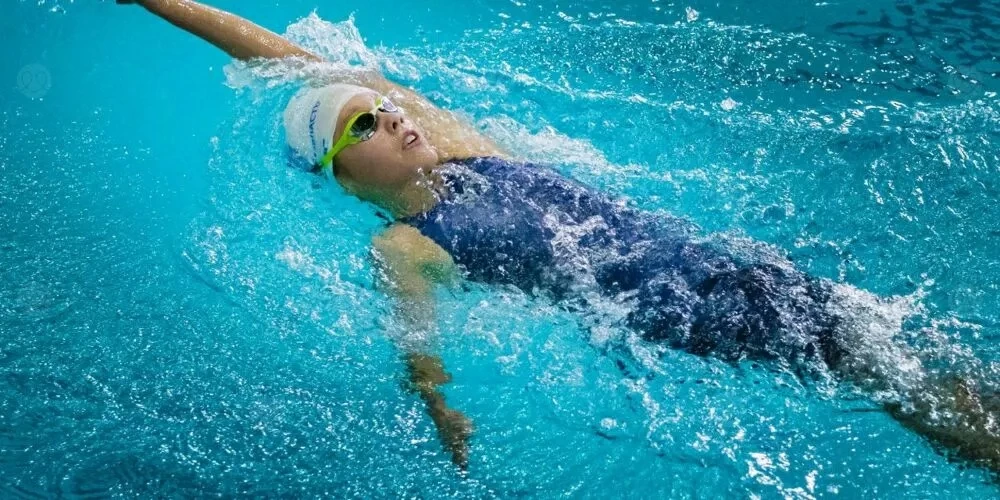
يبدو التبول في الماء أثناء السباحة تصرفاً بسيطاً أو مجرد عادة مزعجة، لكنه في الواقع قد يحمل آثاراً صحية وبيئية تختلف باختلاف نوع المسطح المائي. فبينما يتلاشى البول سريعاً في مياه البحر المفتوحة، قد يشكل وجوده في المسابح أو البحيرات الصغيرة مشكلة حقيقية تؤثر في جودة المياه وصحة السباحين.
تفاعل كيميائي غير مرغوب
في المسابح، لا يقتصر الأمر على الشعور بالاشمئزاز؛ إذ يتفاعل البول مع الكلور المستخدم في تعقيم المياه، ما يؤدي إلى تكوّن مركّبات مثل (كلوريد السيانوجين) و(ثلاثي كلورامين). هذه المواد قد تسبب تهيجاً في العينين والجلد والجهاز التنفسي، خصوصاً لدى أصحاب البشرة الحساسة أو من يعانون مشكلات تنفسية مسبقة. كما أن العرق وخلايا الجلد ومستحضرات التجميل تتفاعل بدورها مع الكلور، ما يزيد من العبء الكيميائي داخل المسبح ويؤثر في جودة المياه. ولهذا ينصح الخبراء بالاستحمام قبل السباحة واستخدام المرحاض عند الشعور بالحاجة الملحّة.
البحيرات.. بيئة تتأثر بالمواد المغذية
في البحيرات، قد يؤدي التبول إلى إضافة عناصر غذائية مثل (اليوريا) إلى الماء، وهي مادة تساعد على نمو الطحالب. وفي حال كانت البحيرة تحتوي بالفعل على طحالب خضراء مزرقة (السيانوبكتيريا)، فإن زيادة المغذيات قد تعزز انتشارها، ما يشكل خطراً على صحة السباحين نظراً لقدرة بعض أنواعها على إنتاج سموم ضارة.
وتزداد خطورة هذا التأثير في المسطحات الصغيرة أو الراكدة التي لا تتجدد مياهها بسرعة، ما يجعل تجنب التبول فيها ضرورة بيئية وصحية.
البحر.. أقل خطراً ولكن ليس دائماً
أما في مياه البحر المفتوحة، فيؤكد خبراء الكيمياء أن البول يتخفف بسرعة ولا يشكل عادةً عبئاً ملحوظاً، نظراً لضخامة حجم المياه ووجود الأملاح نفسها في البول. لكن الشعاب المرجانية تمثل استثناءً مهماً؛ إذ يمكن للمواد المغذية في البول، خصوصاً النيتروجين، أن تحفّز نمو الطحالب التي تحجب الضوء عن الشعاب وتضر بالنظام البيئي الهش.
وتزداد الخطورة في الخلجان الدافئة والهادئة التي تتجدد مياهها ببطء، حيث قد تتراكم المغذيات أو بقايا الأدوية الموجودة في البول، ما يجعل تجنب التبول قرب الشعاب المرجانية أمراً ضرورياً.
هل ينقل البول الأمراض؟
تشير تقديرات منصات التحقق إلى أن انتقال العدوى عبر البول في المسطحات الطبيعية أمر غير مرجح، لأن البول يتخفف بسرعة كبيرة. ورغم أن بعض الأمراض قد تطرح مسببات العدوى عبر البول، إلا أن الفضلات البشرية الأخرى تبقى الأكثر تأثيراً في جودة المياه مقارنة بالبول نفسه.
عادة شائعة لكنها ليست آمنة دائماً
التبول في الماء ليس خطيراً دائماً، لكنه ليس آمناً في كل الحالات. فالمسابح والبحيرات الصغيرة تتأثر كيميائياً وبيئياً، بينما البحر المفتوح أقل حساسية باستثناء المناطق القريبة من الشعاب المرجانية. وفي جميع الأحوال، يبقى استخدام المرحاض الخيار الأكثر احتراماً للصحة والبيئة ولراحة السباحين الآخرين.
Urinating in water while swimming may seem like a simple act or just an annoying habit, but in reality, it can have health and environmental implications that vary depending on the type of water body. While urine dissipates quickly in open sea water, its presence in pools or small lakes can pose a real problem affecting water quality and the health of swimmers.
Unwanted Chemical Reaction
In pools, it’s not just about feeling disgusted; urine interacts with the chlorine used to disinfect the water, leading to the formation of compounds such as (cyanogen chloride) and (trichloramine). These substances can cause irritation to the eyes, skin, and respiratory system, especially in individuals with sensitive skin or pre-existing respiratory issues. Additionally, sweat, skin cells, and cosmetics also interact with chlorine, increasing the chemical burden within the pool and affecting water quality. For this reason, experts recommend showering before swimming and using the restroom when feeling the urgent need.
Lakes... An Environment Affected by Nutrients
In lakes, urinating can add nutrients like (urea) to the water, which promotes algae growth. If the lake already contains blue-green algae (cyanobacteria), the increase in nutrients can enhance their proliferation, posing a risk to swimmer health due to the ability of some types to produce harmful toxins.
This effect is more dangerous in small or stagnant water bodies that do not renew their water quickly, making it essential to avoid urinating in them for environmental and health reasons.
The Sea... Less Dangerous but Not Always
In open sea waters, chemistry experts confirm that urine dilutes quickly and typically does not pose a significant burden, due to the vast volume of water and the presence of salts in urine itself. However, coral reefs represent an important exception; the nutrients in urine, particularly nitrogen, can stimulate algae growth that blocks light from reaching the reefs and harms the fragile ecosystem.
The risk increases in warm, calm bays where water renews slowly, as nutrients or remnants of medications present in urine may accumulate, making it crucial to avoid urinating near coral reefs.
Does Urine Transmit Diseases?
Estimates from verification platforms indicate that the transmission of infections through urine in natural water bodies is unlikely, as urine dilutes very quickly. Although some diseases may shed infectious agents through urine, other human waste remains more impactful on water quality compared to urine itself.
A common habit but not always safe
Urinating in water is not always dangerous, but it is not safe in every situation. Pools and small lakes are chemically and environmentally affected, while open sea is less sensitive, except in areas close to coral reefs. In all cases, using the restroom remains the most respectful option for health, the environment, and the comfort of other swimmers.