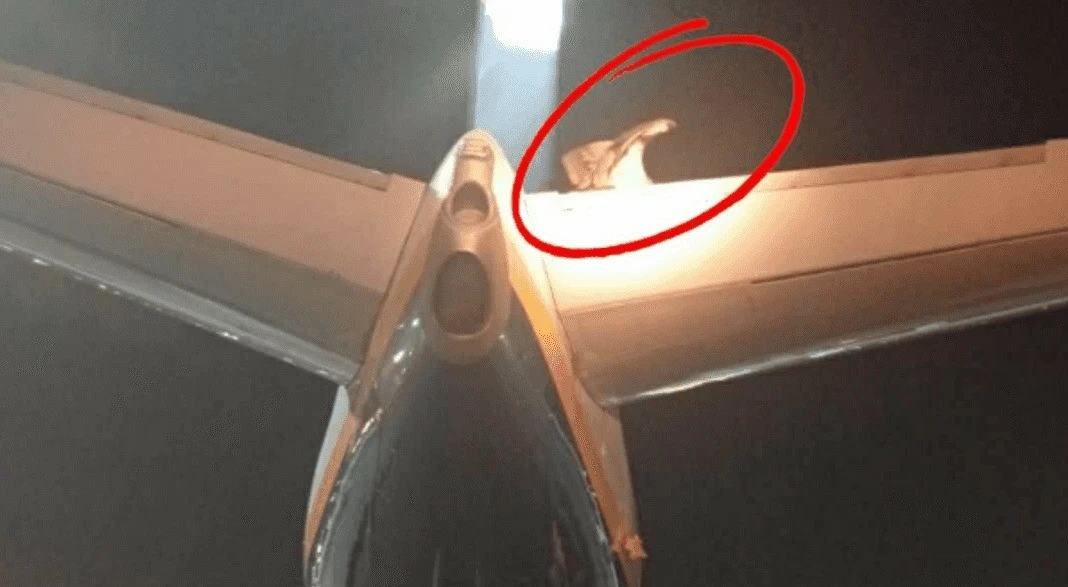
في واقعة نادرة أثارت دهشة العاملين في مطار بجزيرة كريت اليونانية، تسبب نسر عملاق في تأخير إقلاع طائرة تابعة لشركة «ريان إير»، بعدما اختار جناحها الخلفي مكاناً للوقوف ورفض مغادرته رغم محاولات متكررة لإبعاده.
وبدأت الواقعة عندما فوجئ طاقم الطائرة بالنسر وهو يستقر على الجزء الخلفي منها، فيما كان من المفترض أن تستعد الطائرة للإقلاع. وحاول الطيارون إبعاد الطائر باستخدام الألسنة الخلفية للطائرة، إلا أن محاولاتهم لم تدفعه إلى التحرك، ليضطر المطار إلى تعليق الرحلة مؤقتاً حفاظاً على سلامة الطائرة والركاب.
ومع استمرار النسر في موقعه، استُدعيت فرق الإطفاء إلى المكان، وحاول أفرادها الاقتراب منه باستخدام سلم لإقناعه بالطيران بعيداً، لكن الطائر بدا في حالة هدوء تام ولم يستجب للمحاولات.
ووصف رجل الإطفاء أنتونيس بيتراكيس المشهد بأنه «غير مسبوق»، موضحاً أن النسر لم يكن مصاباً، مرجحاً أن يكون طائراً صغيراً يخوض إحدى رحلاته الجوية الأولى، وهو ما قد يفسر عدم إظهاره أي خوف من وجود الطائرة أو الأشخاص المحيطين بها.
وبعد ساعات من الانتظار، حسم النسر الموقف بنفسه، إذ غادر الطائرة وحلق إلى المدرج، ما أتاح لرجال الإطفاء التعامل معه وإبعاده عن منطقة الحركة الجوية، قبل أن تستأنف إجراءات الرحلة وتعود حركة الطيران إلى طبيعتها.
وتداولت صفحة محلية على موقع «فيسبوك» صوراً للواقعة، أظهرت النسر وهو يقف على الطائرة، قبل أن تتم السيطرة على الموقف ونقله إلى مركز الإطفاء بالمطار.
وتعد كريت إحدى المناطق المهمة للنسور في أوروبا، إذ تستضيف أعداداً كبيرة من النسور، التي يمكن أن يصل باع جناحي بعضها إلى نحو 2.7 متر. وتؤدي هذه الطيور دوراً بيئياً مهماً باعتبارها من الكائنات التي تتغذى على الجيف، ما يساعد في التخلص من بقايا الحيوانات والحفاظ على التوازن البيئي.
ولا تخلو علاقة الطيور بالطيران المدني من مخاطر، إذ يمكن لاصطدام طيور كبيرة بالطائرات، خصوصاً أثناء الإقلاع والهبوط، أن يتسبب في أضرار للمحركات أو أجزاء أخرى من الطائرة.
وشهد عام 2024 حادثة لافتة في البرازيل عندما اصطدم نسر بطائرة واخترق نافذة قمرة القيادة، في واقعة سلطت الضوء على المخاطر التي قد تشكلها الطيور الكبيرة على سلامة الطيران.
In a rare incident that astonished workers at an airport on the Greek island of Crete, a giant eagle caused a delay in the takeoff of a Ryanair flight after it chose the aircraft's tail as a resting place and refused to leave despite repeated attempts to remove it.
The incident began when the flight crew was surprised to see the eagle settling on the back part of the aircraft, while the plane was supposed to be preparing for takeoff. The pilots attempted to shoo the bird away using the plane's tail fins, but their efforts did not prompt it to move, forcing the airport to temporarily suspend the flight to ensure the safety of the aircraft and passengers.
As the eagle remained in its position, fire crews were summoned to the scene, and their members tried to approach it using a ladder to persuade it to fly away, but the bird appeared completely calm and did not respond to the attempts.
Firefighter Antonis Petrakis described the scene as "unprecedented," explaining that the eagle was not injured, suggesting that it might be a young bird experiencing one of its first flights, which could explain its lack of fear of the aircraft or the people around it.
After hours of waiting, the eagle resolved the situation itself by leaving the aircraft and soaring to the runway, allowing the firefighters to handle it and remove it from the air traffic area before the flight procedures resumed and air traffic returned to normal.
A local page on Facebook shared photos of the incident, showing the eagle standing on the aircraft before the situation was brought under control and it was transported to the airport's fire station.
Crete is considered one of the important regions for eagles in Europe, hosting large numbers of eagles, some of which can have wingspans of about 2.7 meters. These birds play an important environmental role as scavengers, helping to dispose of animal remains and maintain ecological balance.
The relationship between birds and civil aviation is not without risks, as collisions with large birds, especially during takeoff and landing, can cause damage to engines or other parts of the aircraft.
In 2024, a notable incident occurred in Brazil when an eagle collided with an aircraft and penetrated the cockpit window, highlighting the dangers that large birds can pose to aviation safety.