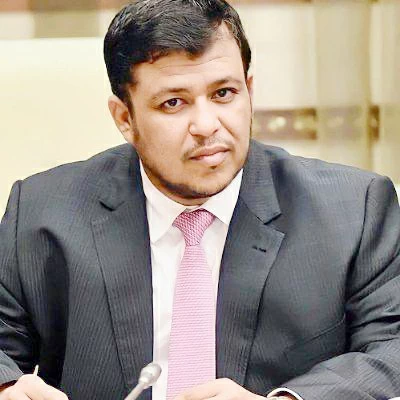
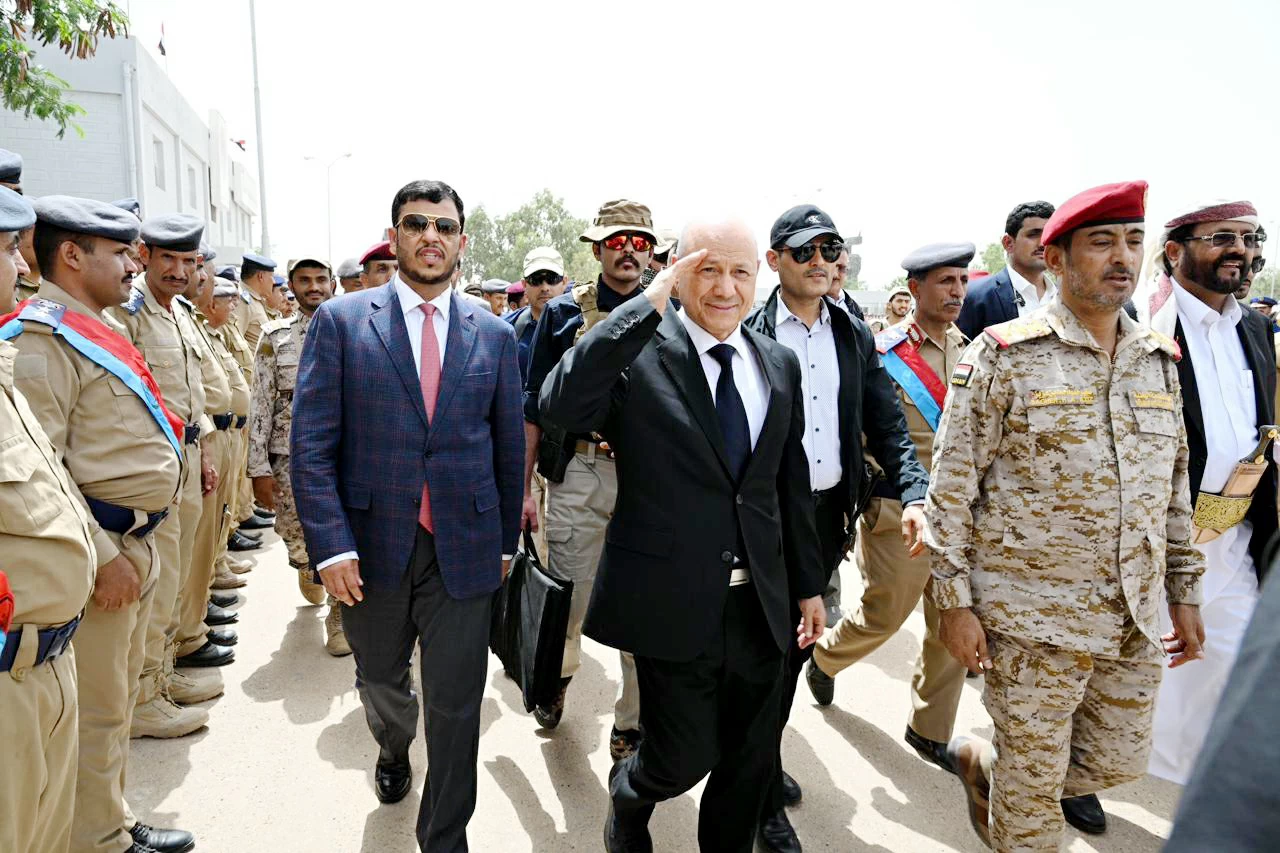
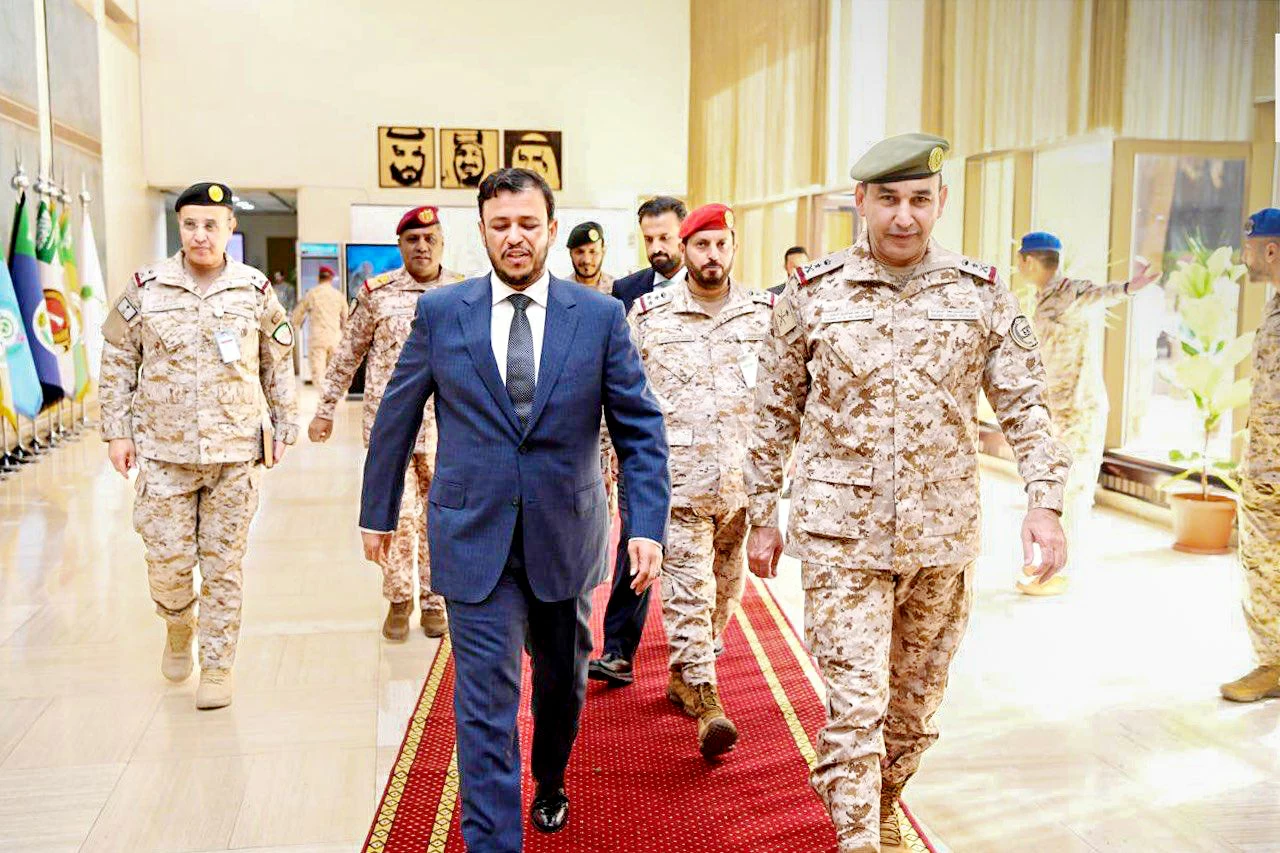
أكد نائب رئيس مجلس القيادة الرئاسي اليمني الدكتور عبدالله العليمي، أنه إذا كان هناك عنوان جامع لكل ما يقوم به مجلس القيادة الرئاسي اليوم، فهو حشد كافة الإمكانات والجهود والإجراءات لمواجهة المليشيا الحوثية الإرهابية لاستعادة الدولة وإنهاء الانقلاب، وصولاً إلى بناء مقوّمات الدولة القادرة على حماية مواطنيها وقيادة مرحلة التعافي. وقال في حوار أجرته معه «عكاظ»: إن من أهم التحوّلات التي شهدتها المرحلة الأخيرة هو انتقال مشروع استعادة الدولة من كونه هدفًا تتبناه مؤسسة بعينها، إلى مشروع وطني جامع تلتقي حوله مختلف القوى السياسية والوطنية، ومؤسسات الدولة، والقوات المسلحة، والسلطات المحلية، والمقاومة الباسلة وجموع أبناء الشعب اليمني الذي يتوق للخلاص من هذه المليشيا الإجرامية. مشيدًا بالدور الكبير الذي قام به تحالف دعم الشرعية بقيادة السعودية، في دعم القوات المسلحة اليمنية، سواء في مجالات التدريب، أو التأهيل، أو بناء القدرات، أو تعزيز التنسيق، ومن خلال اللجنة العسكرية العليا التي قامت وتقوم بدور كبير وفاعل في إعداد وتجهيز وقيادة كل القوات وهو دعم كان له أثر واضح في رفع مستوى الجاهزية والكفاءة. وتطرق العليمي إلى عدد من المواضيع المهمة خلال الحوار التالي:
* شهد مجلس القيادة الرئاسي خلال الفترة الأخيرة نشاطاً سياسياً مكثفاً.. كيف تصفون مستوى الانسجام والتوافق في إطار المجلس؟.
- حين تشكّل مجلس القيادة الرئاسي، كان الهدف يتجاوز مجرد إعادة ترتيب القيادة السياسية للدولة، كانت الفكرة الأساسية هي الانتقال بالشرعية من مرحلة إدارة الأزمة إلى مرحلة بناء أدوات استعادة الدولة. وكان الجميع يدرك أن نجاح المجلس لن يقاس بعدد الاجتماعات أو البيانات، وإنما بقدرته على صناعة قرار وطني موحد واصطفاف متين في ظروف استثنائية بالغة التعقيد تمر بها البلاد، ومن هذا المنطلق، تجاوز المجلس كثيراً من التحديات الداخلية الطبيعية وأصبح اليوم يعمل بروح الفريق الواحد، في إطار من المسؤولية الوطنية والإدراك المشترك لحجم التحديات التي تواجه اليمن.
بلا شك، مجلس القيادة الرئاسي لديه مهام وطنية جسيمة وهي محل إجماع كافة أعضاء المجلس، ونحن بكل تأكيد في حالة انسجام تام فيما يتعلق بالقضايا الوطنية ورعاية مصالح الشعب اليمني ومواجهة التحديات والأخطار سيما تلك التي يفرضها تمرد ميليشيا الحوثي وما تقتضيه من مواجهة، وهناك اتفاق كامل على الثوابت الوطنية، وعلى الأولويات الكبرى، وفي مقدمتها استعادة الدولة، وتعزيز وحدة الصف الوطني، وبناء المؤسسات وتحسين حياة المواطنين. واليوم أصبح النقاش داخل المجلس يدور حول أفضل الوسائل لتحقيق الغايات الوطنية، لا حول الغايات نفسها، كما أن حالة الانسجام لم تعد مقتصرة على مجلس القيادة، وإنما امتدت إلى العلاقة مع المؤسسات الدستورية والشورية والحكومة، والسلطات المحلية، والقوى السياسية الوطنية، والمؤسسة العسكرية، وهو ما أسهم في خلق مستوى غير مسبوق من التلاحم والعمل المشترك.
تخفيف معاناة الناس
* ما أبرز الأولويات التي يعمل عليها مجلس القيادة الرئاسي في هذه المرحلة؟
- حشد كافة الإمكانات والجهود والإجراءات لمواجهة المليشيا الحوثية الإرهابية واستعادة الدولة وصولاً إلى بناء مقومات الدولة القادرة على حماية مواطنيها وقيادة مرحلة التعافي، ومن هنا، تتركز أولويات المجلس على عدد من المسارات المتوازية التي تمثل القضايا المركزية للمجلس، فإلى جانب ما ذكرته هناك مسار تطبيع الأوضاع الأمنية والخدمية وتخفيف معاناة الناس، وتعزيز مؤسسات الدولة، ورفع كفاءة أدائها، وتمكين الحكومة والسلطات المحلية من القيام بمسؤولياتها، ودعم مسار الإصلاح المؤسسي والإداري ومكافحة الفساد وجهود التعافي إذ يولي المجلس اهتماماً كبيراً باستعادة الموارد السيادية، وتحسين كفاءة المؤسسات المالية، ودعم الإصلاحات، وتهيئة البيئة المناسبة لاستئناف النشاط الاقتصادي، لأننا نؤمن أن المعركة الاقتصادية لا تقل أهمية عن المعركة السياسية والعسكرية، ومسار تعزيز وحدة الموقف الوطني، من خلال توسيع مساحات التنسيق بين مختلف القوى الوطنية، ودعم الشراكة مع كافة القوى، وترسيخ التكامل بين القيادة السياسية والمؤسسة العسكرية، ومسار إدارة العلاقة مع المجتمعين الإقليمي والدولي، وتعزيز حضور اليمن في محيطه العربي، وفي مقدمة ذلك الشراكة الإستراتيجية مع السعودية، التي لعبت دوراً محورياً في دعم الدولة اليمنية سياسياً وعسكرياً واقتصادياً وتنموياً وإنسانياً، انطلاقاً من قناعة راسخة بأن استقرار اليمن يمثل ركيزة أساسية لاستقرار المنطقة.
* إلى أي مدى أصبحت مؤسسات الدولة والقوى السياسية والقوات المسلحة موحدة خلف هدف إنهاء الانقلاب واستعادة الدولة؟
- أهم التحولات التي شهدتها المرحلة الأخيرة هو انتقال مشروع استعادة الدولة من كونه هدفًا تتبناه مؤسسة بعينها، إلى مشروع وطني جامع تلتقي حوله مختلف القوى السياسية والوطنية، ومؤسسات الدولة، والقوات المسلحة، والسلطات المحلية، والمقاومة الباسلة وجموع أبناء الشعب اليمني الذي يتوق للخلاص من هذه المليشيا الإجرامية، فسنوات الحرب علمتنا أن التحديات الوجودية لا تُواجه إلا بوحدة القرار والإرادة، واليوم هناك إدراك متزايد لدى الجميع بأن استمرار الانقلاب لم يعد يهدد الدولة اليمنية فقط، بل يهدد هوية الدولة، والنظام الجمهوري، ومستقبل الأجيال القادمة، ويعمّق معاناة اليمنيين، ويقوض فرص التنمية والاستقرار في المنطقة بأسرها. ولهذا فإن ما نشهده اليوم ليس مجرد تنسيق سياسي أو عسكري، بل بناء تدريجي لجبهة وطنية واسعة، قوامها الإيمان بأن الدولة هي الإطار الجامع لكل اليمنيين، وألا مستقبل لليمن خارج مؤسساتها الدستورية، وسيادة القانون، واحتكار الدولة للسلاح. هذا التوافق لم يأتِ صدفة، وإنما هو نتيجة جهود كبيرة، وإدراك مشترك بأن اللحظة الراهنة تتطلب تجاوز الحسابات الضيقة لصالح المشروع الوطني الأكبر، ومن هنا جاءت حالة الانسجام التي نراها اليوم داخل مجلس القيادة الرئاسي، وانعكست بصورة إيجابية على العلاقة مع الحكومة، والقوى السياسية، والسلطات المحلية، والمؤسسة العسكرية بمختلف تشكيلاتها التي تدرك أنها لا تخوض معركة من أجل سلطة أو موقع سياسي، وإنما تدافع عن الجمهورية، وعن حق اليمنيين في العيش الكريم والحر في ظل دولة تحمي الحقوق، وتصون الكرامة، وتوفر الأمن والاستقرار. ولهذا، فإن مصدر ثقتنا لا يكمن فقط في امتلاك أدوات القوة، وإنما في وضوح المشروع الذي نقاتل من أجله، ونحن اليوم أقرب من أي وقت مضى إلى هذه الحالة الوطنية الجامعة التي تعد برأيي أحد أهم مكاسب المرحلة، فقرار استعادة الدولة بات اليوم قرار كل اليمنيين، قيادة وشعباً وجيشاً.
القوات المسلحة جاهزة بكل تشكيلاتها
* كيف تقيّمون اليوم جاهزية القوات المسلحة بكل تشكيلاتها، وأين وصلت جهود توحيد القرار العسكري؟
- القوات المسلحة اليمنية وكافة التشكيلات العسكرية تمثل اليوم أحد أهم أعمدة مشروع استعادة الدولة، لأنها لم تعد مجرد قوة تقاتل في الميدان، وإنما مؤسسة وطنية تتطور بصورة مستمرة، وتراكم خبراتها، وتعزز قدراتها، وتبني عقيدتها الوطنية، ولقد فرضت سنوات الحرب تحديات كبيرة، لكنها في الوقت نفسه صنعت خبرات ميدانية وتنظيمية مهمة، وأسهمت في رفع مستوى التنسيق والعمل المشترك بين مختلف الوحدات والتشكيلات العسكرية، وباتت اليوم أكثر احترافية، وأعلى جاهزية، وأكثر انسجامًا وإدراكًا لطبيعة مسؤوليتها الوطنية. ويحظى هذا المسار باهتمام مباشر من مجلس القيادة الرئاسي، ورعاية كاملة من تحالف دعم الشرعية بقيادة السعودية، وجهود توحيد القرار العسكري مستمرة، لأنها ليست قرارًا إداريًا يُتخذ في يوم واحد، وإنما عملية مؤسسية متدرجة، تستهدف الوصول إلى مؤسسة عسكرية حديثة تعمل وفق عقيدة وطنية واحدة متجاوزة المسببات التي أنشأت انفصال هذه التشكيلات عن بعضها في الوقت السابق، واليوم أصبحت كافة الوحدات والتشكيلات العسكرية تدار من غرفة عمليات واحدة وأصبح مسرح العمليات واحدًا. ولا يفوتني هنا أن أشيد بالدور الكبير الذي قام به الأشقاء في تحالف دعم الشرعية بقيادة السعودية، في دعم القوات المسلحة اليمنية، سواء في مجالات التدريب، أو التأهيل، أو بناء القدرات، أو تعزيز التنسيق، وكذلك من خلال اللجنة العسكرية العليا التي قامت وتقوم بدور كبير وفاعل في إعداد وتجهيز وقيادة كل القوات، وهو دعم كان له أثر واضح في رفع مستوى الجاهزية والكفاءة، وبالمقابل فإن رجال القوات المسلحة اليوم يمتلكون معنويات عالية، وإيمانًا راسخًا بعدالة قضيتهم، وإصرارًا كبيرًا على أداء واجبهم الوطني، لأنهم يدركون أن الدفاع عن الدولة هو دفاع عن مستقبل اليمن كله.
* هل تعتقدون أن الظروف الحالية أصبحت أكثر ملاءمة من أي وقت مضى لحسم المعركة مع الحوثيين، وما الذي يجعلكم واثقين بإمكانية استعادة العاصمة صنعاء وبقية المحافظات، وماذا عن جهود السلام التي رفضها الحوثي؟
- أثبتت الحكومة اليمنية، رغم كل التحديات، أنها ما زالت تحتفظ بشرعيتها، ومؤسساتها، وواجباتها وعلاقاتها العربية والدولية، وإسناد شعبها وأشقائها، ولهذا فإن ثقتنا لا تستند إلى الأمنيات، وإنما إلى قراءة موضوعية للواقع، ولدينا اليوم قيادة سياسية موحدة وأكثر تماسكًا، ومؤسسات أكثر قدرة على العمل المشترك، وقوات مسلحة أكثر جاهزية، ومجتمع مساند وداعم، وحليف صادق وجاد يتمثل في السعودية، ولدينا إدراك إقليمي ودولي متزايد بأن المشروع الحوثي لم يعد يشكل تهديدًا لليمن وحده، بل أصبح تهديدًا للأمن الإقليمي والملاحة الدولية، والحكومة اليمنية منذ اليوم الأول، تعاملت مع السلام باعتباره خيارًا إستراتيجيًا، وليس تكتيكًا سياسيًا، فنحن أكثر من يدرك كلفة الحرب على الإنسان اليمني، وعلى الاقتصاد، وعلى النسيج الاجتماعي، ولذلك انخرطنا بإيجابية في مختلف المبادرات والمساعي التي قادتها الأمم المتحدة والأشقاء والأصدقاء، وقدمنا كل ما من شأنه أن يخفف معاناة المواطنين ويفتح الطريق أمام تسوية عادلة ومستدامة، وأنا شخصيًا كنت حاضرًا في كل جولات المشاورات والمفاوضات منذ العام 2015م، من بيل إلى جنيف إلى استوكهولم إلى الكويت، وأخيراً جهود الأشقاء في المملكة في وضع خريطة الطريق التي وافقت عليها الحكومة ورفضتها المليشيا الحوثية، لكن التجربة بكل أسف، أثبتت أن هناك فارقًا جوهريًا بين نظرة الدولة إلى السلام، ونظرة الحوثيين إليه، نحن ننظر إلى السلام باعتباره طريقًا لاستعادة الدولة، وإنهاء الانقلاب، وعودة المؤسسات، ورفع معاناة اليمنيين، بينما تعامل الحوثيون مع جهود السلام لشرعنة تمردهم والإيغال في معاناة الناس، بل واستخدموا فترات التهدئة باعتبارها فرصة لإعادة التموضع، وتعزيز قدراتهم العسكرية، وتحسين شروطهم التفاوضية، ولهذا فإن المشكلة لم تكن في نقص المبادرات، وإنما في غياب الإرادة السياسية لدى الحوثيين للقبول بالمبادرات الإنسانية وبتسوية تنهي الانقلاب وتعيد الاعتبار لمؤسسات الدولة لأنهم كذلك رهنوا قرارهم بيد داعمهم في إيران. وما حدث أخيراً خير دليل، ففي اللحظة التي أبقت الحكومة والتحالف معها الموانئ مفتوحة والمطارات من أجل تخفيف معاناة اليمنيين، استهدف الحوثي الموانئ وعمل على تسييس فتح المطارات غير آبه بمعاناة الناس. وأحب أن أؤكد هنا أن استعادة صنعاء ليست بالنسبة لنا مجرد استعادة لعاصمة، وإنما استعادة لقلب الدولة اليمنية، وعودة لمؤسسات الدولة وإنقاذ لأبناء شعبنا من جحيم المليشيا، إنها عودة الحياة الطبيعية لكل اليمنيين. لهذا، فإن السؤال الحقيقي ليس هل سنستعيد صنعاء؟ فهذا أمر محسوم، بل كيف سنجعل صنعاء، بعد استعادتها، رمزًا للدولة التي تتسع للجميع.
خطر المليشيا الإرهابية
* كيف تقيّمون حجم الخطر الذي تمثله الجماعة على اليمن، وعلى أمن المنطقة، وعلى الملاحة الدولية، وإلى أي مدى ما تزال إيران تمثل العامل الرئيسي في استمرار قدرات الحوثيين العسكرية والسياسية؟.
- الشعب اليمني يدرك جيداً خطر هذه المليشيا الإرهابية وما اقترفته في حقه من معاناة في مختلف الجوانب طيلة السنوات الماضية، ولكني أعتقد أن السنوات الأخيرة غيّرت بصورة جوهرية طريقة النظر إلى الحوثيين على المستوى الإقليمي والدولي، ففي بداية الأزمة كان كثيرون ينظرون إلى ما يجري باعتباره نزاعًا داخليًا على السلطة ويشككون في الحقائق التي تطرحها الشرعية بل ويتماهون كثيراً مع الحوثيين لكن الوقائع أثبتت أن الأمر يتجاوز ذلك بكثير، إذ أصبح اليوم واضحًا أن المشروع الحوثي لا يستهدف الدولة اليمنية وحدها، بل يهدد الأمن القومي العربي، وأمن البحر الأحمر، وحرية الملاحة الدولية، واستقرار أسواق الطاقة، وسلامة سلاسل الإمداد العالمية.
* برأيكم، ما الذي يحتاجه اليمن اليوم ويتوقعه من المجتمع الدولي؟
- اليمن اليوم بحاجة إلى مقاربة دولية شاملة تدرك أن حماية الملاحة الدولية لا يمكن فصلها عن معالجة جذور الأزمة في اليمن، فتأمين البحر يبدأ من إنهاء الخطر في البر، فقد ثبت للجميع أن أي تهديد للممرات البحرية هو انعكاس مباشر لاستمرار انقلاب مليشيا الحوثي وتحولها إلى مصدر دائم لزعزعة الأمن الإقليمي والدولي. ومن هذا المنطلق، فإن المطلوب من المجتمع الدولي لا يقتصر على حماية خطوط الملاحة، بل يشمل دعمًا حقيقيًا للحكومة اليمنية لاستعادة مؤسسات الدولة، وتعزيز قدرات الحكومة في الجوانب العسكرية والأمنية، بما يمكّنها من بسط سلطتها على كامل التراب الوطني. كما أن هناك حاجة إلى موقف دولي أكثر حزمًا تجاه الجهات التي تواصل دعم وتسليح مليشيا الحوثي، والضغط لوقف التدخلات الخارجية التي أطالت أمد الحرب، بالتوازي مع دعم جهود الإصلاح الاقتصادي والتنمية وتخفيف المعاناة الإنسانية، لأن الاستقرار لا يتحقق بالحلول الأمنية وحدها، وإنما بوجود دولة قادرة ومؤسسات فاعلة واقتصاد متماسك. فاستعادة الدولة اليمنية ليست مصلحة يمنية فحسب، بل مصلحة عربية ودولية، لأنها تمثل الضمانة الحقيقية لاستعادة الأمن والاستقرار في هذه المنطقة الحيوية من العالم، ونحن على ثقة بأن العالم بات يدرك اليوم أن دعم الدولة اليمنية ليس خيارًا سياسيًا فقط، بل ضرورة ملحة لا بديل عنها.
* تمتلك اليمن موقعًا إستراتيجيًا على البحر الأحمر وخليج عدن، فكيف تستعد القوات اليمنية للمشاركة في حماية هذه الممرات الحيوية ضمن مسؤوليات الدولة اليمنية؟
- حماية البحر الأحمر وخليج عدن وباب المندب هي مسؤولية أصيلة للدولة اليمنية وللمجتمع الإقليمي والدولي، لأنها تمثل شريانًا حيويًا للتجارة العالمية وأمن المنطقة. ومن هذا المنطلق، نعمل على إعادة بناء وتطوير قدرات القوات البحرية وخفر السواحل، بما يمكّنها من الاضطلاع بمسؤولياتها الوطنية في حماية المياه الإقليمية والموانئ وخطوط الملاحة. وفي هذا السياق، نثمّن عاليًا جهود الأشقاء بالسعودية في إنشاء تحالف دفاعي بحري دولي من أجل تأمين الملاحة البحرية، كما نقدر الدعم الذي تقدمه بريطانيا وأمريكا في مجال تطوير قدرات قوات خفر السواحل اليمنية، من خلال برامج التدريب والتأهيل وبناء القدرات، وهو دعم يعزز جاهزية هذه المؤسسة الوطنية للقيام بمهامها بكفاءة واحترافية وهذا ما أثبتته الأحداث الأخيرة. وهذه الشراكات تمثل استثمارًا في أمن المنطقة والعالم، لأن تمكين الدولة اليمنية من استعادة مؤسساتها والقيام بمسؤولياتها السيادية هو الحل الأكثر استدامة لحماية الملاحة الدولية. فالقوات اليمنية، بما تمتلكه من خبرة ومعرفة بطبيعة السواحل والممرات البحرية، ستكون الشريك الأكثر قدرة وفاعلية في تأمين البحر الأحمر وخليج عدن وباب المندب، واليمن بعد استعادة مؤسساته، سيواصل الاضطلاع بدوره الطبيعي كشريك مسؤول في منظومة الأمن البحري الإقليمي والدولي، بما يحفظ حرية الملاحة ويصون المصالح المشتركة لجميع الدول.
* اقتصاديًا، متى تتوقعون استئناف تصدير النفط، وما خطط الحكومة لحماية المنشآت النفطية وتعزيز الموارد الاقتصادية؟.
- استعادة القطاع النفطي ليست بالنسبة لنا قضية إيرادات فقط، وإنما قضية سيادة وطنية واستقلال اقتصادي. فالدولة التي تستعيد مواردها السيادية تصبح أكثر قدرة على الوفاء بالتزاماتها تجاه مواطنيها، من دفع الرواتب، وتحسين الخدمات، وتعزيز استقرار العملة، وتمويل مشاريع التنمية. لقد تعرض هذا القطاع لاستهداف مباشر خلال السنوات الماضية من قبل المليشيا الحوثية في محاولة لحرمان الدولة من أهم مواردها، وإضعاف قدرتها على القيام بمسؤولياتها، ومع ذلك، لم تتوقف الحكومة عن العمل على تهيئة الظروف اللازمة لاستئناف التصدير، وتعزيز حماية المنشآت الحيوية، والتنسيق مع الشركاء الإقليميين والدوليين لتوفير البيئة الآمنة لاستمرار النشاط الاقتصادي، وبالتالي فتوقيت استئناف تصدير النفط أمر يخضع للتقديرات الفنية، وترتيبات الحماية للسفن ومواقع الإنتاج وخطوط النقل وترتيبات التأمين وغيرها من الجوانب الفنية. القرار السياسي قد تم اتخاذه والوضع محكوم بتفاصيل فنية ونحن ماضون في هذا المسار بكل جدية، فاليمن يمتلك موقعًا إستراتيجيًا فريدًا، وثروات بحرية ومعدنية وزراعية، وفرصًا كبيرة في مجالات الموانئ والخدمات اللوجستية، وما نطمح إليه هو بناء اقتصاد متنوع، وفي هذا السياق، تمثل مرحلة ما بعد استعادة الدولة فرصة لإطلاق برنامج وطني واسع لإعادة الإعمار والتنمية، بالشراكة مع الأشقاء والأصدقاء، وفي مقدمتهم السعودية، التي نثق بأنها ستكون شريكًا رئيسيًا في هذه المرحلة كما كانت شريكًا في دعم صمود الدولة خلال سنوات الحرب.
* يبقى الحديث عن الحوار الجنوبي مهمًا، إلى أين وصلت الجهود المبذولة لإطلاقه، وما أهمية هذا المسار في بناء توافق وطني؟.
- قضية الجنوب قضية سياسية عادلة ومشروعة ولا يمكن حلها بالإنكار ولا بالاحتكار، لكن هذا الاعتراف لا يعني اختزال الجنوب في تنظيم سياسي واحد، ولا حسم مستقبله بالقوة العسكرية أو فرض الأمر الواقع، فالجنوب متعدد سياسيًا واجتماعيًا وجغرافياً.
ونعتقد أنه وللمرة الأولى سيتاح للجنوبيين بكل انتماءاتهم وقناعاتهم وجغرافيتهم فرصة الجلوس معًا على طاولة واحدة لإجراء حوار جنوبي ــ جنوبي حقيقي مدعوم بإرادة إقليمية جادة إذ ترعاه السعودية بإرادة حقيقية ورغبة صادقة في مساعدة الجنوبيين على الحوار لمناقشة رؤاهم بحرية ومسؤولية، وصولًا إلى بلورة تصور شامل لحل عادل يلبي إرادة وتطلعات الجنوبيين كرؤية تقدّم في العملية السياسية الشاملة بما يسهم في إنجاح العملية السياسية، فمستقبل الجنوب يجب أن يقرره الجنوبيون أنفسهم عبر عملية سياسية شرعية وشاملة وسلمية وتحت رعاية السعودية وضمن تسوية وطنية متكاملة، لا عبر صراع جديد داخل الجنوب أو تحويل الخلافات السياسية إلى مواجهة مسلحة لفرض رؤية محددة، ومن هذا المنطلق، فإن الجهود مستمرة لتهيئة الظروف المناسبة لإطلاق حوار جنوبي–جنوبي، والمملكة تنظر إلى هذا الحوار باعتباره مسارًا مهمًا، وتدعمه وتعمل على توفير البيئة المناسبة له، والترتيبات ماضية في هذا الصدد، ولا شك أن اللحظة الراهنة ومستجداتها وتداعياتها قد تؤثر على توقيت هذا الحوار، ولكنه يقع ضمن قائمة الأولويات، ونحن لا ننظر إلى الحوار باعتباره غاية في حد ذاته، وإنما وسيلة لبناء الثقة، وتقريب وجهات النظر، وصناعة توافقات تحظى بقبول واسع، لأن استقرار الجنوب يمثل ركيزة أساسية لاستقرار اليمن والمنطقة، كما أن أبناء الجنوب كانوا في طليعة من تصدوا لمشروع الحوثي، وقدموا تضحيات كبيرة، وهو دور وطني إلى جانب نضالهم وتضحياتهم من أجل قضيتهم، وهذا يجب أن يكون حاضرًا في أي مقاربة سياسية للمستقبل.
* كيف تردون على من يروجون لوجود قيود على حركة بعض القيادات والشخصيات الجنوبية داخل السعودية؟
- منذ بداية دعوة الأطراف الجنوبية للسعودية واستقبالهم انتشرت حينها الكثير من الدعاوى والشائعات، وأثبتت الأحداث والحقائق أن ذلك كان مجرد دعايات مغرضة، وظهرت القيادات الجنوبية بنفسها بوضوح وقالت رأيها بمطلق الحرية وعبرت عن مشروعها بكل وضوح ودون أي اعتراض، ومن داخل الرياض، وهم في استضافة كريمة من الأشقاء في المملكة، ويملك الجميع حرية الحركة والتنقل، وهذه الشائعات ستستمر ولن تتوقف، وستنكشف تباعًا، فالحقيقة واضحة، ولهذا فإنني أدعو إلى عدم الالتفات إلى الشائعات.
دعم مسار سياسي متوازن
* حدثنا عن الجهود السعودية لعقد هذا الحوار وبما ينعكس على مستقبل القضية الجنوبية؟
- مشروع الحوار الجنوبي هو ابتداءً نتيجة جهود سعودية مخلصة، ورغبة حقيقية وجادة في معالجة هذا الملف، والمملكة بدأت مبكرًا في إنصاف الجنوبيين، ولعل الجهود الكبيرة التي بذلتها في اتفاق الرياض، والتي استمرت شهورًا من التحضير والعمل الجاد كانت في هذا السياق، وكذلك بعد الأحداث الأخيرة في حضرموت أخذت السعودية على عاتقها حل هذه القضية بشكل حضاري وألا تسمح بأي محاولة إقصاء لأي طرف، بل ذهبت في مشوار استيعاب حقيقي للقوات والقيادات الجنوبية والعمل على استيعاب الجميع ضمن قالب حضاري تحت مظلة حوار جنوبي ــ جنوبي، هذه الرغبة أيضاً لقيت قبولاً واسعاً لدى الجنوبيين.. فالجميع يثق ثقة مطلقة في جهود المملكة ورعايتها، ونحن نرى أن هذا الدور السعودي يمثل عاملًا مهمًا وحاسمًا في تعزيز الثقة بين كافة أبناء الجنوب ويفتح المجال أمام حوار جاد ومسؤول، ومن هذا المنطلق، فإننا نثمن عاليًا الجهود التي تبذلها المملكة، ونؤكد أن استمرار رعايتها ودعمها لهذا المسار يشكّل ركيزة أساسية لإنجاح الحوار وتحقيق النتائج التي يتطلع إليها الجميع، وما يميّز الدور السعودي، في تقديري، هو أنه لم يقم على منطق الوصاية، وإنما على منطق الشراكة واحترام تطلعات ورؤى كافة الجنوبيين دون إقصاء أو تهميش أو حلول مسبقة أو فرض رؤية محددة، هذا إلى جانب الحرص والصدق والجدية. أما على المستوى الوطني فأعتقد أن التاريخ سينظر إلى موقف السعودية من اليمن بوصفه موقفًا إستراتيجيًا محوريًا تجاوز مفهوم الدعم التقليدي بين دولتين شقيقتين جارتين، فمنذ بدء الانقلاب الحوثي تعاملت المملكة مع اليمن باعتباره عمقًا إستراتيجيًا، واستثمرت في الحفاظ على الدولة اليمنية، وعلى استقرار المنطقة، وليس في إدارة الأزمة فقط، فلقد كان الدعم السعودي شاملًا، سياسيًا، وعسكريًا، واقتصاديًا، وإنسانيًا، وتنمويًا، وأسهم في تمكين مؤسسات الدولة من مواصلة أداء مهامها، ودعم البنك المركزي، وتمويل مشاريع تنموية وخدمية، وتقديم مساعدات إنسانية واسعة، والعمل على كل ما من شأنه تخفيف معاناة شعبنا، إضافة إلى جهودها الدبلوماسية المستمرة لدعم فرص السلام وجمع اليمنيين على كلمة سواء.
* اليمن إلى أين؟
- أعتقد أن السؤال الأهم اليوم ليس إلى أين يتجه اليمن؟ بل أي يمن نريد أن نبنيه بعد انتهاء هذه الحرب، فنحن لا نخوض معركة من أجل استعادة الجغرافيا فقط، ولا من أجل تغيير موازين القوى السياسية، وإنما من أجل استعادة الدولة ومؤسساتها بوصفها الضامن الوحيد لمستقبل اليمن واستقراره، وتنميته، وازدهاره، واستعادة دوره الطبيعي في محيطه العربي، ليكون شريكًا فاعلاً في منظومة الأمن الإقليمي، وفي حماية البحر الأحمر وخليج عدن، لا بوصف ذلك التزامًا تجاه العالم فحسب، بل لأنه جزء من مسؤوليتنا الوطنية، ونريد لليمن أن يتحوّل من ساحة للصراع إلى مركز للاستقرار والتنمية والاستثمار، مستفيدًا من موقعه الجغرافي الفريد، ومن موارده الطبيعية، ومن طاقات شبابه، ومن شراكاته التاريخية مع أشقائه في مجلس التعاون الخليجي، وفي مقدمتهم السعودية، ومن هنا، فإن مسؤوليتنا لا تتوقف عند إنهاء الانقلاب، بل تتضاعف بعد ذلك لأن بناء الدولة أصعب من استعادتها، والحفاظ على السلام أصعب من الوصول إليه، لكننا نملك الثقة بإرادة اليمنيين، وبالدعم الصادق من أشقائنا الأوفياء الصادقين في السعودية، التي وقفت إلى جانب اليمن في أصعب مراحله. وأنا على يقين أن اليمن سيخرج من هذه المحنة أكثر إدراكًا لقيمة الدولة، وأكثر تمسكًا بمؤسساته، وأكثر حرصًا على أن تكون خلافاته السياسية تحت سقف الدستور والقانون، لا تحت فوهات البنادق، فالاتجاه واضح، والغاية جلية، والإرادة الوطنية ماضية، فمستقبل اليمن لن يُبنى بالغلبة، بل بالشراكة، ولن يُحمى بالسلاح وحده، بل بالمؤسسات، ولن يزدهر بالشعارات، بل بالعمل والعدالة والتنمية، وأنا مؤمن بأننا سنصل إلى ذلك اليوم قريباً لأن الشعوب التي تؤمن بدولتها، وتلتف حول مشروعها الوطني، قادرة على تجاوز أصعب المحن، وبالتالي فاليمن إلى خير واستقرار وازدهار بإذن الله.
Yemen's Vice President of the Presidential Leadership Council, Dr. Abdullah Al-Alimi, confirmed that if there is a unifying theme for all that the Presidential Leadership Council is doing today, it is the mobilization of all resources, efforts, and measures to confront the terrorist Houthi militia to restore the state and end the coup, leading to the establishment of the components of a state capable of protecting its citizens and leading a recovery phase. In an interview with "Okaz," he stated that one of the most important transformations witnessed in the recent phase is the transition of the project to restore the state from being a goal adopted by a specific institution to a comprehensive national project that brings together various political and national forces, state institutions, the armed forces, local authorities, the brave resistance, and the masses of the Yemeni people who yearn to be free from this criminal militia. He praised the significant role played by the Coalition to Support Legitimacy, led by Saudi Arabia, in supporting the Yemeni armed forces, whether in training, rehabilitation, capacity building, or enhancing coordination, and through the High Military Committee, which has played a significant and effective role in preparing, equipping, and leading all forces, support that has had a clear impact on raising the level of readiness and efficiency. Al-Alimi addressed several important topics during the following dialogue:
* The Presidential Leadership Council has witnessed intense political activity recently. How would you describe the level of harmony and consensus within the council?
- When the Presidential Leadership Council was formed, the goal went beyond merely rearranging the political leadership of the state; the fundamental idea was to transition legitimacy from a crisis management phase to a phase of building the tools to restore the state. Everyone understood that the success of the council would not be measured by the number of meetings or statements, but by its ability to create a unified national decision and a solid alignment in the exceptionally complex circumstances the country is going through. From this standpoint, the council has overcome many natural internal challenges and is now operating with a spirit of teamwork, within a framework of national responsibility and a shared awareness of the magnitude of the challenges facing Yemen.
Undoubtedly, the Presidential Leadership Council has significant national tasks that are agreed upon by all council members, and we are certainly in a state of complete harmony regarding national issues, caring for the interests of the Yemeni people, and confronting challenges and dangers, especially those posed by the Houthi militia's rebellion and the need for confrontation. There is full agreement on national constants and major priorities, foremost among them the restoration of the state, enhancing national unity, building institutions, and improving the lives of citizens. Today, discussions within the council revolve around the best means to achieve national goals, not around the goals themselves. Furthermore, the state of harmony is no longer limited to the Presidential Leadership Council but has extended to relationships with constitutional and advisory institutions, the government, local authorities, national political forces, and the military institution, which has contributed to creating an unprecedented level of cohesion and joint action.
Alleviating People's Suffering
* What are the main priorities that the Presidential Leadership Council is working on at this stage?
- Mobilizing all resources, efforts, and measures to confront the terrorist Houthi militia and restore the state, leading to the establishment of a state capable of protecting its citizens and leading a recovery phase. From here, the council's priorities focus on several parallel tracks that represent the central issues of the council. In addition to what I mentioned, there is a track for normalizing security and service conditions and alleviating people's suffering, enhancing state institutions, raising their performance efficiency, empowering the government and local authorities to fulfill their responsibilities, and supporting the path of institutional and administrative reform and combating corruption and recovery efforts. The council places significant emphasis on restoring sovereign resources, improving the efficiency of financial institutions, supporting reforms, and creating a suitable environment for resuming economic activity because we believe that the economic battle is no less important than the political and military battles. There is also a path to enhance national unity through expanding coordination between various national forces, supporting partnerships with all forces, and solidifying the integration between political leadership and the military institution. Additionally, there is a path for managing relations with regional and international communities and enhancing Yemen's presence in its Arab surroundings, foremost of which is the strategic partnership with Saudi Arabia, which has played a pivotal role in supporting the Yemeni state politically, militarily, economically, developmentally, and humanitarianly, based on a firm conviction that Yemen's stability represents a fundamental pillar for regional stability.
* To what extent have state institutions, political forces, and the armed forces united behind the goal of ending the coup and restoring the state?
- One of the most important transformations witnessed in the recent phase is the transition of the project to restore the state from being a goal adopted by a specific institution to a comprehensive national project that brings together various political and national forces, state institutions, the armed forces, local authorities, the brave resistance, and the masses of the Yemeni people who yearn to be free from this criminal militia. The years of war have taught us that existential challenges can only be faced with a unified decision and will. Today, there is an increasing awareness among everyone that the continuation of the coup no longer threatens only the Yemeni state but threatens the identity of the state, the republican system, the future of coming generations, deepens the suffering of Yemenis, and undermines opportunities for development and stability in the entire region. Therefore, what we are witnessing today is not merely political or military coordination but a gradual building of a broad national front, based on the belief that the state is the unifying framework for all Yemenis, and that there is no future for Yemen outside its constitutional institutions, the rule of law, and the state's monopoly on weapons. This consensus did not come by chance; rather, it is the result of significant efforts and a shared awareness that the current moment requires transcending narrow calculations in favor of the larger national project. Hence, the state of harmony we see today within the Presidential Leadership Council has positively reflected on the relationship with the government, political forces, local authorities, and the military institution in all its formations, which understand that they are not fighting a battle for power or political position but defending the republic and the right of Yemenis to live in dignity and freedom under a state that protects rights, preserves dignity, and provides security and stability. Therefore, our source of confidence lies not only in possessing the tools of power but in the clarity of the project we are fighting for. Today, we are closer than ever to this unifying national state, which I believe is one of the most important gains of this phase. The decision to restore the state has become the decision of all Yemenis, leadership, people, and army.
The Armed Forces Are Ready in All Their Formations
* How do you assess the readiness of the armed forces in all their formations today, and where have efforts to unify military decision reached?
- The Yemeni armed forces and all military formations today represent one of the most important pillars of the project to restore the state, as they are no longer just a force fighting in the field but a national institution that is continuously evolving, accumulating experiences, enhancing capabilities, and building its national doctrine. The years of war have imposed significant challenges, but at the same time, they have created important field and organizational experiences, contributing to raising the level of coordination and joint action among various military units and formations, making them today more professional, more ready, and more harmonious and aware of their national responsibilities. This path receives direct attention from the Presidential Leadership Council and full support from the Coalition to Support Legitimacy, led by Saudi Arabia. Efforts to unify military decision are ongoing, as they are not an administrative decision made in one day but a gradual institutional process aimed at reaching a modern military institution that operates under a unified national doctrine, overcoming the causes that led to the separation of these formations from each other in the past. Today, all military units and formations are managed from a single operations room, and the theater of operations has become unified. I would like to take this opportunity to commend the significant role played by our brothers in the Coalition to Support Legitimacy, led by Saudi Arabia, in supporting the Yemeni armed forces, whether in training, rehabilitation, capacity building, or enhancing coordination, as well as through the High Military Committee, which has played and continues to play a significant and effective role in preparing, equipping, and leading all forces. This support has had a clear impact on raising the level of readiness and efficiency. In turn, the men of the armed forces today possess high morale, a firm belief in the justice of their cause, and a strong determination to fulfill their national duty, as they understand that defending the state is defending the future of all Yemen.
* Do you believe that the current circumstances are more favorable than ever to decisively resolve the battle with the Houthis, and what makes you confident in the possibility of restoring the capital, Sana'a, and the rest of the provinces? What about the peace efforts that the Houthis have rejected?
- The Yemeni government has proven, despite all challenges, that it still retains its legitimacy, institutions, duties, and its Arab and international relations, and the support of its people and brothers. Therefore, our confidence does not rely on wishes but on an objective reading of reality. Today, we have a unified and more cohesive political leadership, institutions more capable of joint action, armed forces more ready, a supportive and backing community, and a sincere and serious ally represented by Saudi Arabia. There is an increasing regional and international awareness that the Houthi project no longer poses a threat to Yemen alone but has become a threat to regional security and international navigation. From day one, the Yemeni government has dealt with peace as a strategic option, not a political tactic. We are the ones who understand the cost of war on the Yemeni people, the economy, and the social fabric. Therefore, we have positively engaged in various initiatives and efforts led by the United Nations and our brothers and friends, providing everything that could alleviate the suffering of citizens and open the way for a fair and sustainable settlement. Personally, I have been present in all rounds of consultations and negotiations since 2015, from Biel to Geneva to Stockholm to Kuwait, and finally the efforts of our brothers in the Kingdom to put forward a roadmap that the government approved and the Houthi militia rejected. However, the experience has unfortunately proven that there is a fundamental difference between the state's view of peace and the Houthis' view of it. We see peace as a path to restore the state, end the coup, and return institutions, and alleviate the suffering of Yemenis, while the Houthis have treated peace efforts as a means to legitimize their rebellion and deepen the suffering of the people. They have even used periods of calm as opportunities to reposition themselves, enhance their military capabilities, and improve their negotiating terms. Therefore, the problem has not been a lack of initiatives but the absence of political will among the Houthis to accept humanitarian initiatives and a settlement that ends the coup and restores the state's institutions, as they have also tethered their decision to their supporter in Iran. What happened recently is clear evidence; at the moment when the government and the coalition kept the ports open and the airports to alleviate the suffering of Yemenis, the Houthis targeted the ports and politicized the opening of airports, indifferent to the people's suffering. I would like to emphasize here that restoring Sana'a is not just about regaining a capital for us but restoring the heart of the Yemeni state, returning state institutions, and rescuing our people from the hell of the militia. It is a return to normal life for all Yemenis. Therefore, the real question is not whether we will regain Sana'a; this is a settled matter, but how we will make Sana'a, after its recovery, a symbol of a state that accommodates everyone.
The Threat of the Terrorist Militia
* How do you assess the magnitude of the threat posed by the group to Yemen, to the security of the region, and to international navigation, and to what extent does Iran still represent the main factor in the continued military and political capabilities of the Houthis?
- The Yemeni people are well aware of the danger posed by this terrorist militia and what it has inflicted upon them in terms of suffering in various aspects over the past years. However, I believe that recent years have fundamentally changed the way the Houthis are viewed at the regional and international levels. At the beginning of the crisis, many viewed what was happening as an internal power struggle and were skeptical of the facts presented by the legitimacy, even sympathizing with the Houthis. However, the facts have proven that the matter goes far beyond that, as it has become clear today that the Houthi project does not target the Yemeni state alone but threatens Arab national security, the security of the Red Sea, the freedom of international navigation, the stability of energy markets, and the safety of global supply chains.
* In your opinion, what does Yemen need today and what does it expect from the international community?
- Yemen today needs a comprehensive international approach that recognizes that protecting international navigation cannot be separated from addressing the root causes of the crisis in Yemen. Securing the sea begins with ending the danger on land. It has been proven to everyone that any threat to maritime routes is a direct reflection of the continued coup of the Houthi militia and its transformation into a permanent source of destabilizing regional and international security. From this standpoint, what is required from the international community is not limited to protecting shipping lines but includes real support for the Yemeni government to restore state institutions and enhance the government's capabilities in military and security aspects, enabling it to assert its authority over the entire national territory. There is also a need for a more resolute international stance towards the parties that continue to support and arm the Houthi militia and to pressure to stop external interventions that have prolonged the war, alongside supporting efforts for economic reform and development and alleviating humanitarian suffering. Because stability cannot be achieved through security solutions alone, but by having a capable state, effective institutions, and a cohesive economy. The restoration of the Yemeni state is not only a Yemeni interest but an Arab and international interest, as it represents the real guarantee for restoring security and stability in this vital region of the world. We are confident that the world has come to realize today that supporting the Yemeni state is not just a political option but an urgent necessity that cannot be replaced.
* Yemen has a strategic location on the Red Sea and the Gulf of Aden. How are the Yemeni forces preparing to participate in protecting these vital corridors as part of the responsibilities of the Yemeni state?
- Protecting the Red Sea, the Gulf of Aden, and Bab al-Mandab is an inherent responsibility of the Yemeni state and the regional and international community, as they represent a vital artery for global trade and regional security. From this standpoint, we are working on rebuilding and developing the capabilities of the naval and coast guard forces, enabling them to fulfill their national responsibilities in protecting territorial waters, ports, and shipping lines. In this context, we highly appreciate the efforts of our brothers in Saudi Arabia in establishing an international maritime defense coalition to secure maritime navigation. We also value the support provided by Britain and the United States in developing the capabilities of the Yemeni coast guard forces through training and capacity-building programs, which enhances the readiness of this national institution to perform its tasks efficiently and professionally, as demonstrated by recent events. These partnerships represent an investment in the security of the region and the world, as empowering the Yemeni state to restore its institutions and fulfill its sovereign responsibilities is the most sustainable solution for protecting international navigation. The Yemeni forces, with their experience and knowledge of the nature of the coasts and maritime routes, will be the most capable and effective partner in securing the Red Sea, the Gulf of Aden, and Bab al-Mandab. Yemen, after restoring its institutions, will continue to play its natural role as a responsible partner in the regional and international maritime security system, preserving freedom of navigation and safeguarding the common interests of all countries.
* Economically, when do you expect to resume oil exports, and what are the government's plans to protect oil facilities and enhance economic resources?
- Restoring the oil sector is not just a matter of revenues for us but a matter of national sovereignty and economic independence. A state that restores its sovereign resources becomes more capable of fulfilling its obligations to its citizens, from paying salaries, improving services, stabilizing the currency, and financing development projects. This sector has been directly targeted over the past years by the Houthi militia in an attempt to deprive the state of its most important resources and weaken its ability to fulfill its responsibilities. Nevertheless, the government has not stopped working to create the necessary conditions for resuming exports, enhancing the protection of vital facilities, and coordinating with regional and international partners to provide a safe environment for continued economic activity. Therefore, the timing of resuming oil exports is subject to technical assessments, protection arrangements for ships, production sites, transport lines, insurance arrangements, and other technical aspects. The political decision has been made, and the situation is governed by technical details, and we are proceeding in this path with all seriousness. Yemen possesses a unique strategic location, marine, mineral, and agricultural resources, and significant opportunities in ports and logistics services. What we aspire to is to build a diversified economy, and in this context, the post-restoration phase of the state represents an opportunity to launch a broad national program for reconstruction and development, in partnership with brothers and friends, led by Saudi Arabia, which we trust will be a key partner in this phase, just as it has been a partner in supporting the resilience of the state during the years of war.
* The discussion about the southern dialogue remains important. Where have the efforts to launch it reached, and what is the significance of this path in building national consensus?
- The southern issue is a just and legitimate political issue that cannot be resolved by denial or monopoly. However, this recognition does not mean reducing the south to a single political organization or resolving its future through military force or imposing fait accompli, as the south is politically, socially, and geographically diverse.
We believe that for the first time, southerners of all affiliations, convictions, and geographies will have the opportunity to sit together at one table for a genuine southern-southern dialogue, supported by a serious regional will, as it is sponsored by Saudi Arabia with a genuine will and sincere desire to assist southerners in dialogue to discuss their visions freely and responsibly, reaching a comprehensive vision for a fair solution that meets the will and aspirations of southerners as a vision that advances the comprehensive political process, contributing to the success of the political process. The future of the south should be determined by southerners themselves through a legitimate, comprehensive, and peaceful political process under the auspices of Saudi Arabia and within an integrated national settlement, not through a new conflict within the south or turning political disagreements into armed confrontations to impose a specific vision. From this standpoint, efforts are ongoing to create suitable conditions for launching a southern-southern dialogue, and the Kingdom views this dialogue as an important path, supports it, and works to provide the appropriate environment for it. Arrangements are progressing in this regard, and undoubtedly, the current moment and its developments and repercussions may affect the timing of this dialogue, but it remains on the list of priorities. We do not view the dialogue as an end in itself but as a means to build trust, bring viewpoints closer, and create agreements that enjoy broad acceptance, as the stability of the south represents a fundamental pillar for the stability of Yemen and the region. The people of the south have been at the forefront of confronting the Houthi project and have made significant sacrifices, which is a national role alongside their struggle and sacrifices for their cause. This must be present in any political approach to the future.
* How do you respond to those who promote the existence of restrictions on the movement of some southern leaders and figures within Saudi Arabia?
- Since the beginning of the southern parties' invitation to Saudi Arabia and their reception there, many claims and rumors have spread, and events and facts have proven that this was merely malicious propaganda. Southern leaders have appeared clearly and expressed their opinions freely and articulated their project clearly without any objection, from within Riyadh, as they are graciously hosted by our brothers in the Kingdom, and everyone has the freedom to move and travel. These rumors will continue and will not stop, and they will gradually be revealed, as the truth is clear. Therefore, I call for not paying attention to the rumors.
Supporting a Balanced Political Path
* Tell us about the Saudi efforts to hold this dialogue and how it reflects on the future of the southern issue?
- The southern dialogue project is primarily the result of sincere Saudi efforts and a genuine desire to address this file. The Kingdom began early to achieve justice for the southerners, and the significant efforts it made in the Riyadh Agreement, which lasted months of preparation and hard work, were in this context. Also, after the recent events in Hadramout, Saudi Arabia has taken it upon itself to resolve this issue in a civilized manner and not allow any attempt to exclude any party. Instead, it has embarked on a genuine process of integrating southern forces and leaders and working to include everyone within a civilized framework under the umbrella of a southern-southern dialogue. This desire has also received wide acceptance among southerners. Everyone has absolute confidence in the efforts of the Kingdom and its sponsorship. We see that this Saudi role represents an important and decisive factor in enhancing trust among all southerners and opens the door for serious and responsible dialogue. From this standpoint, we highly appreciate the efforts made by the Kingdom and affirm that its continued sponsorship and support for this path constitutes a fundamental pillar for the success of the dialogue and achieving the results that everyone aspires to. What distinguishes the Saudi role, in my opinion, is that it has not been based on a logic of guardianship but rather on a logic of partnership and respect for the aspirations and visions of all southerners without exclusion, marginalization, preconditions, or imposing a specific vision, alongside care, sincerity, and seriousness. On the national level, I believe that history will view Saudi Arabia's position on Yemen as a pivotal strategic position that transcends the concept of traditional support between two neighboring sister states. Since the onset of the Houthi coup, the Kingdom has dealt with Yemen as a strategic depth and invested in preserving the Yemeni state and the stability of the region, not just in managing the crisis. Saudi support has been comprehensive—political, military, economic, humanitarian, and developmental—and has contributed to enabling state institutions to continue performing their tasks, supporting the Central Bank, financing development and service projects, providing extensive humanitarian assistance, and working on everything that could alleviate the suffering of our people, in addition to its ongoing diplomatic efforts to support peace opportunities and unite Yemenis on common ground.
* Where is Yemen headed?
- I believe that the most important question today is not where Yemen is headed, but what kind of Yemen we want to build after the end of this war. We are not fighting a battle merely to restore geography or to change the balance of political power, but to restore the state and its institutions as the only guarantee for Yemen's future, stability, development, and prosperity, and to restore its natural role in its Arab surroundings, to be an active partner in the regional security system and in protecting the Red Sea and the Gulf of Aden, not merely as a commitment to the world but because it is part of our national responsibility. We want Yemen to transform from a battleground into a center of stability, development, and investment, benefiting from its unique geographical location, its natural resources, the energies of its youth, and its historical partnerships with its brothers in the Gulf Cooperation Council, led by Saudi Arabia. Therefore, our responsibility does not stop at ending the coup but multiplies thereafter because building the state is more challenging than restoring it, and maintaining peace is more difficult than reaching it. However, we have confidence in the will of Yemenis and the sincere support of our loyal brothers in Saudi Arabia, who stood by Yemen in its most difficult stages. I am confident that Yemen will emerge from this ordeal with a greater understanding of the value of the state, a stronger commitment to its institutions, and a greater determination to keep its political disagreements within the framework of the constitution and law, not under the barrels of guns. The direction is clear, the goal is evident, and the national will is moving forward. The future of Yemen will not be built by dominance but by partnership, and it will not be protected by weapons alone but by institutions. It will not flourish through slogans but through work, justice, and development. I believe we will reach that day soon because the peoples that believe in their state and rally around their national project are capable of overcoming the most difficult ordeals. Thus, Yemen is headed toward goodness, stability, and prosperity, God willing.