حذرت دراسة علمية حديثة من أن مساحة الأراضي التي تلتهمها حرائق الغابات في أوروبا قد ترتفع بنحو 39% بحلول نهاية القرن حتى في أفضل السيناريوهات المناخية لاحتواء ارتفاع حرارة الكوكب، ما لم تتخذ الدول إجراءات أكثر فاعلية لإدارة الحرائق والحد من مخاطرها.
وأظهرت الدراسة، بحسب صحيفة الغارديان، أن تزايد الطقس الحار والجاف والرياح القوية، وهي ظروف تساعد الحرائق الصغيرة على التحول سريعًا إلى ألسنة نيران ضخمة يصعب السيطرة عليها، سيؤدي إلى اتساع رقعة المناطق المتضررة في أنحاء أوروبا مع استمرار ارتفاع درجات الحرارة بفعل انبعاثات الكربون.
وفي أسوأ السيناريوهات التي درسها الباحثون، والذي يفترض ارتفاع متوسط حرارة الأرض بنحو 3.6 درجة مئوية مقارنة بمستويات ما قبل الثورة الصناعية، يمكن أن تقترب المساحات المحترقة من ثلاثة أضعاف مستوياتها الحالية.
إدارة الحرائق تخفف الخطر
وأشارت الدراسة إلى أن تحسين أساليب إدارة الحرائق يمكن أن يحد من هذه الزيادة بأكثر من 70%، لكنه لن يكون قادرًا على القضاء على آثار تغير المناخ بالكامل.
وقال الباحث في النظم البيئية بمعهد بوتسدام لأبحاث تأثير المناخ والمؤلف الرئيسي للدراسة، مايكل بيلينغ، إن الاستثمار في إدارة الحرائق يمكن أن يساعد إلى حد معين، لكن استمرار العالم في مسار الانبعاثات المرتفعة سيؤدي إلى زيادات قوية في المساحات المحترقة.
وأكد أن إدارة الحرائق لا يمكن أن تحل محل إجراءات الحد من تغير المناخ.
وقارن الباحثون المساحة السنوية المتوقعة للأراضي المحترقة خلال الفترة بين عامي 2070 و2100 بالنتائج التي جرى نمذجتها للفترة بين عامي 2000 و2030، وخلصوا إلى أن التغير في الظروف الجوية المهيئة للحرائق يمثل العامل الأكبر وراء الزيادة المتوقعة.
أوروبا أمام سيناريوهين
وفي السيناريو الأكثر تفاؤلًا، الذي يفترض الحد من ارتفاع حرارة الأرض عند 1.8 درجة مئوية، مقارنة بنحو 1.4 درجة مئوية حاليًا، أظهرت النماذج ارتفاعًا متوسطًا في الظروف الجوية المهيئة للحرائق في بعض المناطق، بينما لم تشهد مناطق أخرى تغيرًا كبيرًا.
أما في السيناريو الأكثر تشاؤمًا، مع ارتفاع الحرارة العالمية إلى 3.6 درجة مئوية بحلول نهاية القرن، فقد سجل الباحثون تدهورًا متواصلًا في الظروف المناخية المهيئة للحرائق في «شبه جميع أنحاء أوروبا».
ويتوقع العلماء أن تؤدي السياسات الحالية إلى ارتفاع حرارة الكوكب بنحو 2.6 درجة مئوية بحلول نهاية القرن، وهو مستوى يقع بين السيناريوهين اللذين تناولتهما الدراسة.
تحسين مكافحة الحرائق قد يقلل المساحات المحترقة
وباستخدام نموذج ثانٍ، درس الباحثون تأثير مواصلة تطوير قدرات مكافحة الحرائق، ووجدوا أن تحسين جهود الإطفاء يمكن أن يحد بدرجة كبيرة من تأثير تدهور الظروف المناخية.
وفي السيناريو الأكثر برودة، يمكن أن يؤدي استمرار تحسين قدرات مكافحة الحرائق إلى خفض المساحة المحترقة بنسبة تصل إلى 92% مقارنة بسيناريو تثبيت قدرات مكافحة الحرائق عند مستوياتها الحالية.
واستخدم الباحثون مؤشر التنمية البشرية باعتباره مؤشرًا تقريبيًا لقدرات الدول على مكافحة الحرائق، لكنهم أقروا بأن تصاعد ظاهرة «الحرائق العملاقة» يجعل إسقاط الخبرات السابقة على المستقبل أكثر صعوبة.
مفارقة مكافحة الحرائق
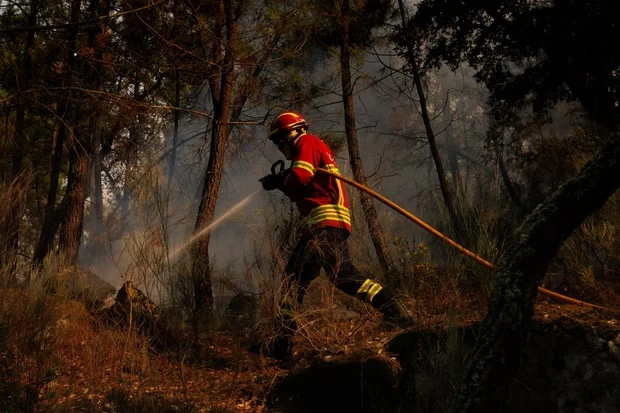
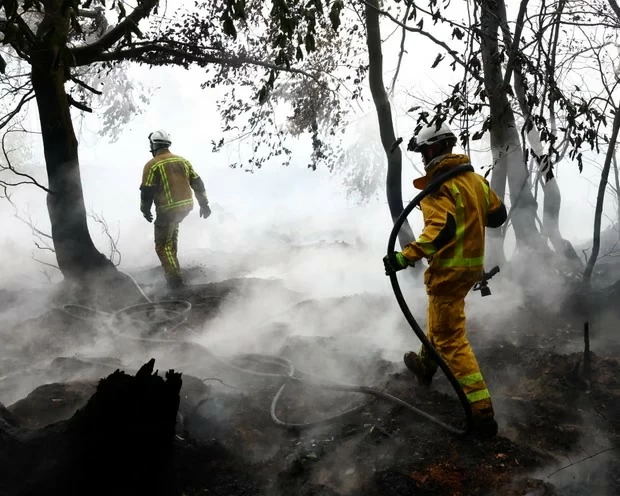
وتأتي نتائج الدراسة في وقت تواصل فيه حرائق الغابات اجتياح مناطق واسعة من أوروبا، إذ شهدت دول مثل بريطانيا وبلجيكا وألمانيا حرائق كبيرة بعد أسابيع من مواجهة فرنسا وإسبانيا وإيطاليا وكرواتيا واليونان حرائق ضخمة.
وبحسب بيانات نظام معلومات حرائق الغابات الأوروبي، فإن موسم الحرائق الحالي في الاتحاد الأوروبي يتجه لأن يكون ثالث أسوأ موسم مسجل، بعد عامي 2025 و2022.
وقد التهمت النيران أكثر من 600 ألف هكتار حتى الآن، فيما سُجلت أرقام قياسية لهذه الفترة من العام في كل من بلجيكا وفرنسا وسلوفاكيا.
وتكشف الأبحاث أيضًا عن مفارقة في سياسات مكافحة الحرائق، إذ أدى تحسين عمليات إخماد النيران منذ ثمانينيات القرن الماضي إلى تراجع عدد الحرائق والمساحات المحترقة في جنوب أوروبا، لكن إخماد الحرائق بصورة مكثفة، حتى الصغيرة منها، أسهم في زيادة كمية الوقود النباتي المتراكم في الغابات.
وأتاح ذلك للحرائق، عندما تتوافر الظروف المناخية الملائمة، أن تتطور إلى مستويات شديدة الخطورة، ما أدى إلى ظهور عدد أقل من الحرائق، لكنها أصبحت أكثر شراسة وصعوبة في السيطرة عليها.
حرائق ضخمة تجبر مئات الآلاف على النزوح
وشهدت فرنسا وإسبانيا في أواخر يوليو الماضي حرائق ضخمة أجبرت نحو 330 ألف شخص على مغادرة منازلهم، بينما وصلت شدة بعض الحرائق إلى مستويات عجزت معها فرق الإطفاء عن السيطرة عليها.
وقال فيكتور ريسكو دي ديوس، مهندس الغابات في جامعة ليدا الإسبانية، والذي لم يشارك في الدراسة، إن موسم الحرائق غالبًا ما يصاحبه «جدل عقيم» يركز على أحد العاملين الرئيسيين اللذين يتفاعلان لإشعال الحرائق، بدلًا من التعامل مع المشكلة بصورة شاملة.
وأوضح أن المشكلة لا تتفاقم في حال كان العالم يتجه نحو عصر جليدي بدلًا من الاحتباس الحراري، مضيفًا أن مخاطر حرائق الغابات كانت ستتراجع بدرجة كبيرة لو كانت المناظر الطبيعية تشبه ما كانت عليه قبل قرن، عندما كانت مساحة الغابات أقل بكثير.
وتشير نتائج الدراسة في مجملها إلى أن مواجهة خطر حرائق الغابات في أوروبا تتطلب مسارين متوازيين: الحد من ارتفاع درجات الحرارة وانبعاثات الكربون، إلى جانب تطوير إدارة الغابات والوقاية من الحرائق ومكافحتها، إذ لا يمكن لأي من المسارين وحده أن يعالج الخطر المتزايد.
A recent scientific study has warned that the area of land consumed by wildfires in Europe could increase by about 39% by the end of the century, even in the best climate scenarios for containing global warming, unless countries take more effective measures to manage fires and reduce their risks.
The study, according to The Guardian, showed that the increase in hot and dry weather and strong winds—conditions that help small fires quickly turn into massive flames that are difficult to control—will lead to an expansion of the affected areas across Europe as temperatures continue to rise due to carbon emissions.
In the worst-case scenarios studied by researchers, which assume an average global temperature rise of about 3.6 degrees Celsius compared to pre-industrial levels, the burned areas could approach three times their current levels.
Fire management mitigates risk
The study indicated that improving fire management techniques could limit this increase by more than 70%, but it would not be able to completely eliminate the effects of climate change.
Michael Belling, an ecosystem researcher at the Potsdam Institute for Climate Impact Research and the lead author of the study, stated that investment in fire management could help to some extent, but the continued high emissions trajectory will lead to significant increases in burned areas.
He emphasized that fire management cannot replace measures to mitigate climate change.
The researchers compared the expected annual area of burned land between 2070 and 2100 with modeled results for the period between 2000 and 2030, concluding that the change in weather conditions conducive to fires represents the largest factor behind the expected increase.
Europe faces two scenarios
In the most optimistic scenario, which assumes limiting global warming to 1.8 degrees Celsius compared to about 1.4 degrees Celsius currently, models showed an average increase in fire-conducive weather conditions in some areas, while other regions did not experience significant changes.
In the most pessimistic scenario, with global temperatures rising to 3.6 degrees Celsius by the end of the century, researchers recorded a continuous deterioration in fire-conducive climatic conditions in "almost all of Europe."
Scientists expect current policies to lead to a global temperature rise of about 2.6 degrees Celsius by the end of the century, a level that falls between the two scenarios addressed in the study.
Improving fire suppression could reduce burned areas
Using a second model, researchers examined the impact of continuing to develop fire suppression capabilities and found that improving firefighting efforts could significantly mitigate the impact of deteriorating climatic conditions.
In the cooler scenario, continued improvement in firefighting capabilities could reduce burned areas by up to 92% compared to a scenario where firefighting capabilities remain at current levels.
The researchers used the Human Development Index as a rough indicator of countries' capabilities to combat fires, but acknowledged that the rise of "megafires" makes projecting past experiences onto the future more difficult.
The paradox of fire suppression
The study's findings come at a time when wildfires continue to sweep across vast areas of Europe, with countries like the UK, Belgium, and Germany experiencing large fires after weeks of massive blazes in France, Spain, Italy, Croatia, and Greece.
According to data from the European Forest Fire Information System, the current fire season in the European Union is on track to be the third worst on record, following 2025 and 2022.
Fires have consumed more than 600,000 hectares so far, with record numbers for this time of year reported in Belgium, France, and Slovakia.
Research also reveals a paradox in fire suppression policies, as improvements in firefighting operations since the 1980s have led to a decrease in the number of fires and burned areas in Southern Europe, but the intensive suppression of even small fires has contributed to an increase in the amount of accumulated fuel in forests.
This has allowed fires, when favorable climatic conditions are present, to develop to extremely dangerous levels, resulting in fewer fires, but they have become more ferocious and difficult to control.
Massive fires force hundreds of thousands to flee
In late July, France and Spain experienced massive fires that forced around 330,000 people to leave their homes, while the intensity of some fires reached levels that firefighting teams could not control.
Victor Risco de Dios, a forest engineer at the University of Lleida in Spain, who did not participate in the study, stated that the fire season is often accompanied by "sterile debates" that focus on one of the two main factors that interact to ignite fires, rather than addressing the problem comprehensively.
He explained that the problem would not worsen if the world were heading toward an ice age instead of global warming, adding that the risks of wildfires would have significantly decreased if landscapes resembled what they were a century ago, when forest areas were much smaller.
Overall, the study's results indicate that addressing the risk of wildfires in Europe requires two parallel pathways: reducing temperature increases and carbon emissions, alongside developing forest management and fire prevention and suppression efforts, as neither pathway alone can address the increasing risk.