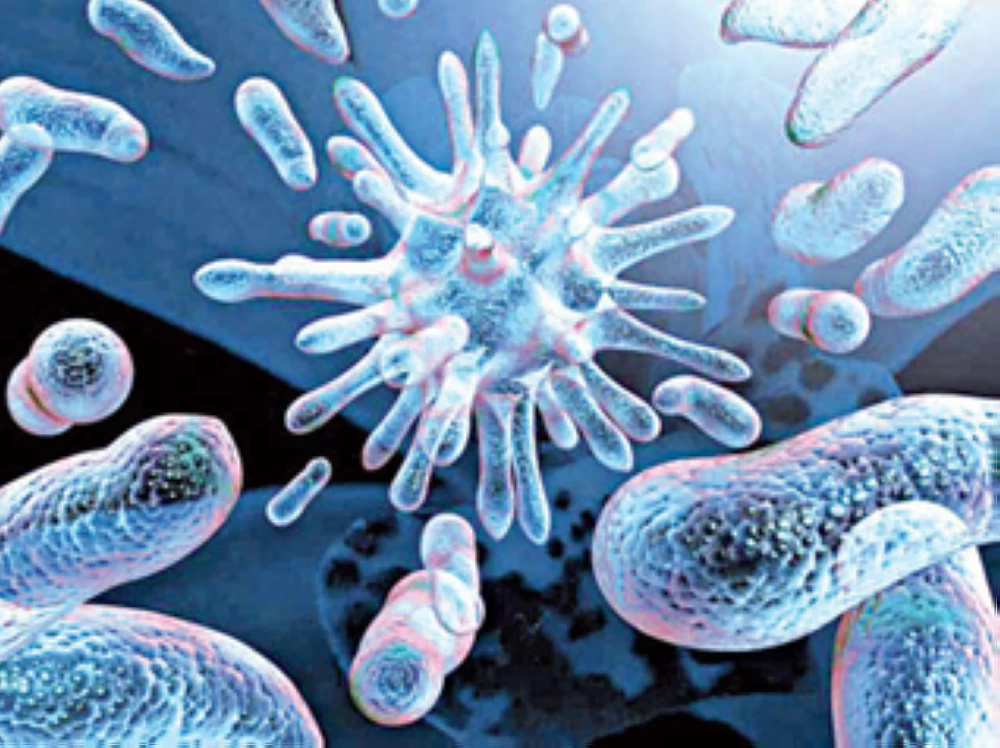
أظهرت دراسة لوكالة الفضاء الأمريكية «ناسا» أن بعض الكائنات الدقيقة التي قد ترافق البشر في الرحلات الفضائية يمكنها تحمل الظروف القاسية في مناطق مظللة قرب القطب الجنوبي للقمر، ما يضيف تحديًا جديدًا أمام المهمات البشرية المرتقبة.
واعتمد الباحثون على بيانات الارتفاع ودرجات الحرارة ومستويات الإشعاع التي جمعها مسبار الاستطلاع القمري (LRO)، لمحاكاة الظروف في 3 مناطق محتملة قرب القطب الجنوبي، واختبار قدرة 5 أنواع من البكتيريا والفطريات على تحملها.
وكشفت النماذج عن وجود مناطق، بينها أجزاء من فوهات قمرية، يمكن لبعض الميكروبات أن تبقى فيها على قيد الحياة لمدة يوم أرضي واحد على الأقل، وكان فطر Aspergillus niger الأكثر قدرة على مقاومة الأشعة فوق البنفسجية، إذ تمكن من تحمل التعرض لبعض أشعة الشمس.
وأكدت الدراسة أن المقصود بالبقاء هو استمرار الميكروب حيًا، وليس قدرته على النمو أو التكاثر، إذ لا توجد أدلة على توافر الظروف والمكونات اللازمة لذلك على القمر.
وتبرز أهمية النتائج مع خطط إعادة البشر إلى القمر، إذ قد تؤدي الميكروبات التي تحملها البعثات إلى تعقيد دراسة البيئة القمرية والتمييز بين خصائصها الأصلية وأي تلوث مصدره الأرض.
A study by the American space agency "NASA" has shown that some microorganisms that may accompany humans on space missions can withstand the harsh conditions in shaded areas near the Moon's south pole, adding a new challenge for upcoming human missions.
The researchers relied on elevation data, temperature readings, and radiation levels collected by the Lunar Reconnaissance Orbiter (LRO) to simulate conditions in three potential areas near the south pole and test the ability of five types of bacteria and fungi to endure them.
Models revealed the existence of areas, including parts of lunar craters, where some microbes could survive for at least one Earth day, with the fungus Aspergillus niger showing the greatest resistance to ultraviolet radiation, managing to withstand exposure to some sunlight.
The study confirmed that survival refers to the microorganism remaining alive, not its ability to grow or reproduce, as there is no evidence of the necessary conditions and components for that on the Moon.
The significance of the results is highlighted by plans to return humans to the Moon, as the microbes carried by missions could complicate the study of the lunar environment and distinguish between its native characteristics and any contamination originating from Earth.