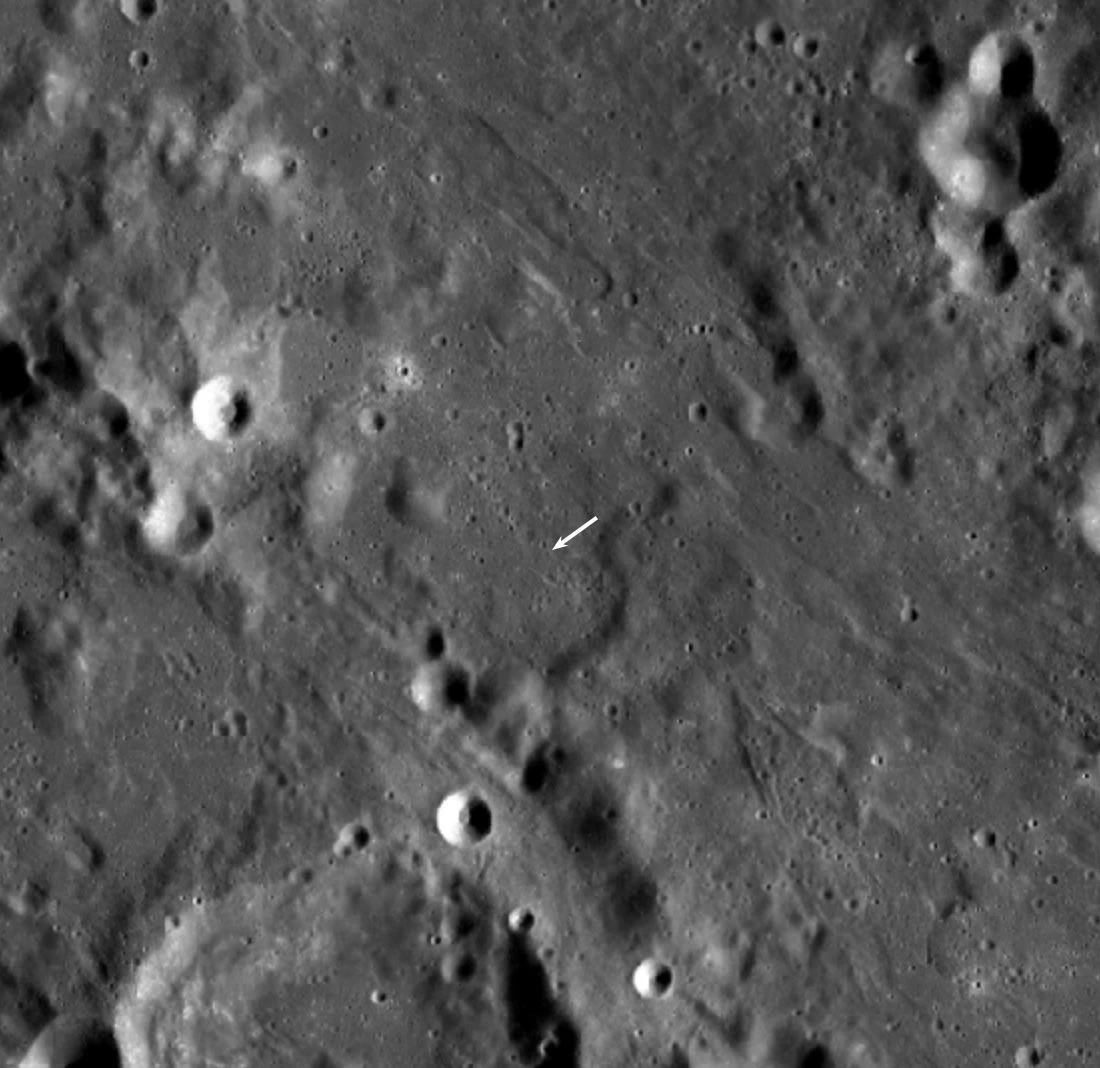
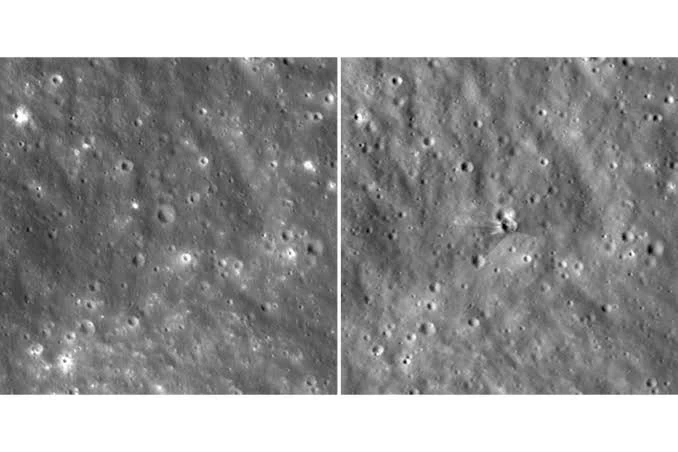
كشفت وكالة الفضاء الأمريكية «ناسا» عن صور جديدة توثق آثار اصطدام مرحلة من صاروخ تابع لشركة «سبيس إكس» بسطح القمر في وقت سابق من أغسطس، لتظهر فوهة حديثة يقدر العلماء قطرها بنحو 60 قدمًا، نحو 18 مترًا، وبعمق يقل عن 10 أقدام، أي نحو 3 أمتار.
والتقطت مركبة مستكشف القمر المداري (LRO) التابعة لناسا سلسلة من الصور لموقع الاصطدام بين 11 و12 أغسطس، بعد نحو أسبوع من ارتطام المرحلة العليا من صاروخ «فالكون» بسطح القمر بسرعة تقدر بنحو 5400 ميل في الساعة.
آثار الاصطدام واضحة على سطح القمر
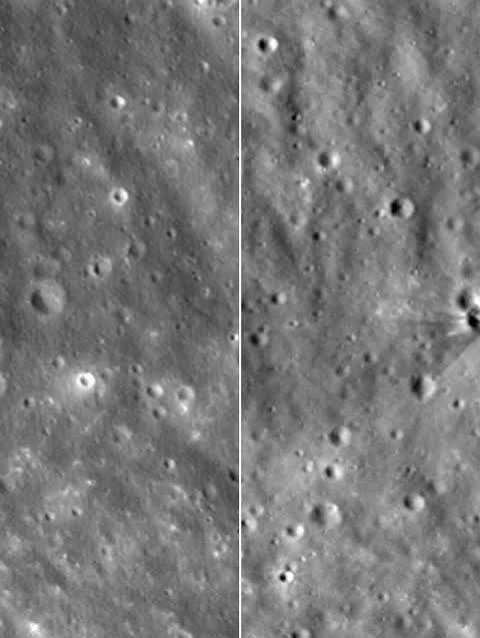
وأظهرت الصور الجديدة تغيرات واضحة في المنطقة التي وقع فيها الاصطدام، بما في ذلك مواد صخرية وترابية أُزيحت من موقع الحادثة وظهرت في شكل خطوط ممتدة على سطح القمر.
وقالت ناسا إن تحديد موقع الفوهة الجديدة لم يكن مهمة الوكالة وحدها، إذ شارك في رصد الموقع عدد من المتخصصين وهواة الفلك، قبل أن توثق مركبة دانووري الكورية الجنوبية الموقع للمرة الأولى.
وتوفر الصور التي التقطها المستكشف المداري مقارنة مباشرة بين سطح القمر قبل الاصطدام وبعده، ما يمنح العلماء فرصة لدراسة كيفية تفاعل التربة والصخور القمرية مع الأجسام عالية السرعة.
حادثة غير مخطط لها تتحول إلى فرصة علمية
وكان الجزء الصاروخي قد خرج عن مساره وانتهى به الأمر بالاصطدام بالقمر بصورة غير مخطط لها. وعلى الرغم من أن الحادثة لم تكن جزءًا من مهمة علمية مخصصة لدراسة سطح القمر، يرى علماء أن الفوهة الناتجة قد توفر بيانات مفيدة حول طبيعة التربة والمواد السطحية وكيفية استجابتها للاصطدامات.
وتكتسب هذه البيانات أهمية إضافية مع تكثيف الولايات المتحدة استعداداتها للعودة إلى القمر والعمل على إنشاء وجود بشري أكثر استدامة هناك خلال السنوات القادمة.
ويرى خبراء أن دراسة الاصطدامات القمرية، سواء الطبيعية أو الناتجة عن مهمات فضائية، يمكن أن تساعد في تحسين فهم مخاطر البيئة القمرية وتطوير تقنيات التخطيط للهبوط والمنشآت المستقبلية.
وقال المسؤول السابق في ناسا مايك غولد، إن الحادثة يمكن النظر إليها باعتبارها خسارة صغيرة لشركة «سبيس إكس»، لكنها قد تمثل فرصة مهمة للعلوم القمرية، في إشارة إلى القيمة العلمية غير المتوقعة للبيانات التي خلفها الاصطدام.
وتواصل المركبات المدارية دراسة سطح القمر، فيما يراقب العلماء موقع الفوهة الجديدة للحصول على مزيد من المعلومات حول تأثير الاصطدامات الحديثة على البيئة القمرية.
The American space agency "NASA" has revealed new images documenting the impact of a stage from a "SpaceX" rocket on the moon's surface earlier in August, showing a recent crater estimated by scientists to be about 60 feet in diameter, approximately 18 meters, and less than 10 feet deep, or about 3 meters.
The Lunar Reconnaissance Orbiter (LRO) captured a series of images of the impact site between August 11 and 12, about a week after the upper stage of the "Falcon" rocket struck the moon's surface at an estimated speed of around 5,400 miles per hour.
Impact marks are clear on the moon's surface
The new images showed clear changes in the area where the impact occurred, including rocky and dusty materials that were displaced from the incident site and appeared as extended lines on the moon's surface.
NASA stated that locating the new crater was not the agency's task alone, as several specialists and amateur astronomers participated in monitoring the site before the South Korean Danuri spacecraft documented the location for the first time.
The images captured by the orbital explorer provide a direct comparison between the moon's surface before and after the impact, giving scientists the opportunity to study how lunar soil and rocks interact with high-speed objects.
An unplanned incident turns into a scientific opportunity
The rocket stage had gone off course and ended up impacting the moon in an unplanned manner. Although the incident was not part of a dedicated scientific mission to study the moon's surface, scientists believe that the resulting crater may provide useful data about the nature of the soil and surface materials and how they respond to impacts.
This data gains additional importance as the United States intensifies its preparations to return to the moon and work on establishing a more sustainable human presence there in the coming years.
Experts believe that studying lunar impacts, whether natural or resulting from space missions, can help improve understanding of the risks of the lunar environment and develop landing planning techniques and future installations.
Former NASA official Mike Gold stated that the incident could be viewed as a minor loss for "SpaceX," but it may represent an important opportunity for lunar science, referring to the unexpected scientific value of the data left by the impact.
Orbital vehicles continue to study the moon's surface, while scientists monitor the new crater site for more information about the effects of recent impacts on the lunar environment.