


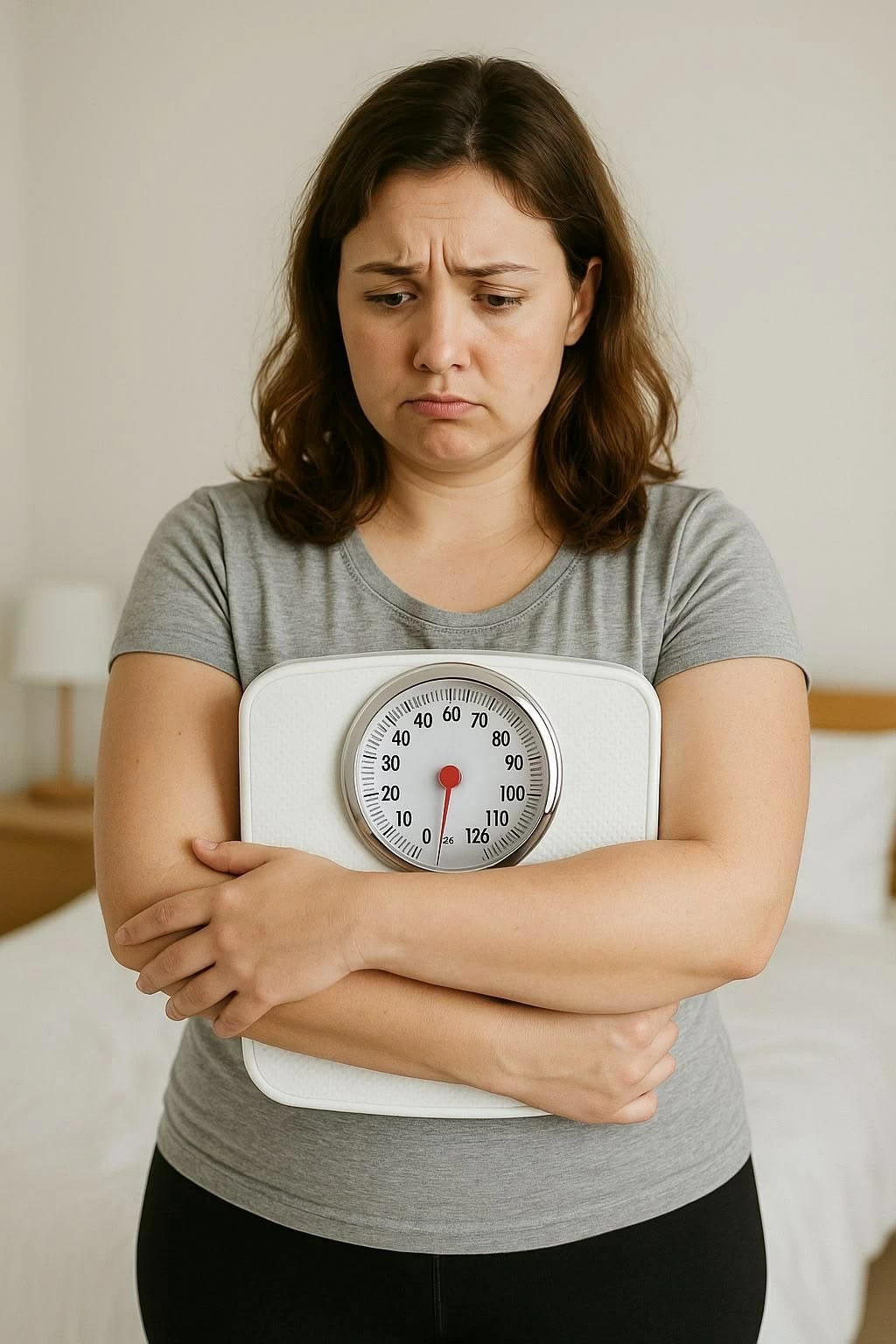
يُعد الدايت الكيميائي من أنظمة الحمية السريعة التي انتشرت بهدف خسارة أكبر قدر ممكن من الوزن خلال فترة قصيرة، وغالبًا يعتمد على تقليل السعرات بشدة وتحديد أنواع قليلة من الأطعمة أو تكرارها، مع وعود بنتائج ملحوظة خلال أيام أو أسابيع. ورغم أن الميزان قد ينخفض سريعًا في البداية، فإن سرعة النتيجة لا تعني بالضرورة أنها خسارة صحية للدهون.
ويحدث جزء من الانخفاض السريع بسبب فقدان السوائل ومخزون الجليكوجين، وقد يخسر الجسم كذلك جزءًا من الكتلة العضلية، خصوصًا عندما تكون السعرات والبروتينات غير كافية. كما أن الأنظمة شديدة التقييد قد تجعل الحصول على الاحتياجات اليومية من الفيتامينات والمعادن والعناصر الغذائية أكثر صعوبة. وتوضح مصادر صحية أن الحميات شديدة الانخفاض في السعرات تحتاج إلى إشراف متخصص لضمان تلبية الاحتياجات الغذائية.
ومن أبرز المخاطر المرتبطة بخسارة الوزن السريعة حصوات المرارة؛ إذ تشير المعاهد الوطنية للصحة إلى أن فقدان الوزن بسرعة أو اتباع حميات منخفضة جدًا في السعرات قد يزيد احتمالية تكوّنها. كما أن تكرار فقدان الوزن ثم استعادته قد يزيد المشكلة.
أما النتيجة التي يبحث عنها كثيرون، وهي الحفاظ على الوزن بعد انتهاء الحمية، فقد تكون أكثر صعوبة مع الأنظمة القاسية؛ فالحميات شديدة الانخفاض في السعرات قد تعطي دافعًا سريعًا في البداية، لكن الدراسات تشير إلى أن الفارق بينها وبين طرق إنقاص الوزن التقليدية قد يتقلص على المدى البعيد، مع احتمالية استعادة الوزن بعد التوقف عنها.
ولا يعني ذلك أن خسارة الوزن بحد ذاتها غير صحية، بل إن طريقة الوصول إليها هي العامل الأهم. فالخسارة التدريجية مع نظام غذائي متوازن ونشاط بدني تساعد على بناء عادات يمكن الاستمرار عليها، بدل الدخول في دورة من الحرمان الشديد ثم استعادة الوزن. وتوصي الجهات الصحية بتجنب الحميات التي تعد بخسارة سريعة جدًا، والتركيز على فقدان الوزن بصورة تدريجية ومستدامة.
The chemical diet is considered one of the rapid weight loss systems that have gained popularity with the aim of losing as much weight as possible in a short period. It often relies on severely reducing calories and limiting the types of foods or repeating them, with promises of noticeable results within days or weeks. Although the scale may drop quickly at first, the speed of the result does not necessarily mean it is a healthy loss of fat.
Part of the rapid decline occurs due to the loss of fluids and glycogen stores, and the body may also lose some muscle mass, especially when calories and proteins are insufficient. Additionally, highly restrictive diets can make it more difficult to meet daily needs for vitamins, minerals, and nutrients. Health sources indicate that very low-calorie diets require specialized supervision to ensure nutritional needs are met.
Among the most significant risks associated with rapid weight loss are gallstones; the National Institutes of Health indicate that losing weight quickly or following very low-calorie diets may increase the likelihood of their formation. Moreover, repeatedly losing weight and then regaining it may exacerbate the problem.
The result that many seek, which is maintaining weight after the diet ends, may be more challenging with strict regimes; very low-calorie diets may provide a quick boost at first, but studies suggest that the difference between them and traditional weight loss methods may diminish over the long term, with the possibility of regaining weight after stopping them.
This does not mean that losing weight itself is unhealthy; rather, the method of achieving it is the most important factor. Gradual loss with a balanced diet and physical activity helps build habits that can be sustained, instead of entering a cycle of severe deprivation followed by weight regain. Health authorities recommend avoiding diets that promise very rapid weight loss and focusing on losing weight gradually and sustainably.