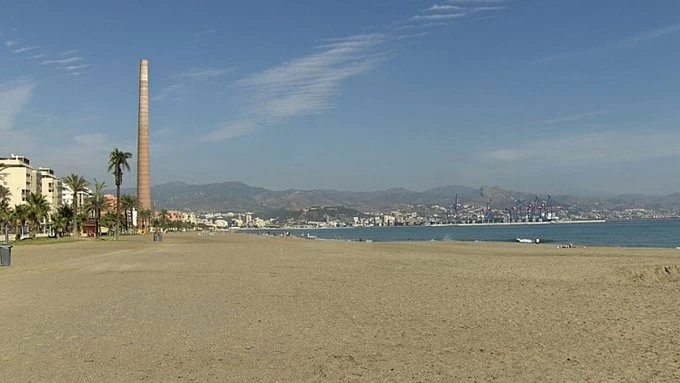
أغلقت السلطات المحلية في مدينة مالقة الإسبانية ستة من شواطئها الرئيسية أمام السباحة، بعد رصد مستويات مرتفعة من بكتيريا الإشريكية القولونية «إي كولاي» في مياه البحر، في إجراء احترازي يأتي بالتزامن مع ذروة الموسم السياحي وارتفاع الإقبال على شواطئ المنطقة.
وأعلنت بلدية مالقة رفع الراية الحمراء وحظر السباحة في الشواطئ المتضررة، عقب ظهور نتائج تحاليل مخبرية أظهرت تجاوز تركيز البكتيريا الحدود المسموح بها بموجب التشريعات الأوروبية والإسبانية الخاصة بجودة مياه الاستحمام.
تدفق الصرف الصحي
وأرجعت السلطات المحلية التلوث، وفقًا لصحيفة «20 مينوتوس» الإسبانية، إلى الفيضانات الناجمة عن الأمطار الغزيرة التي شهدتها المنطقة خلال عطلة نهاية الأسبوع، والتي أدت إلى تدفق مياه الصرف الصحي واختلاطها بمياه البحر.
وفعّلت بلدية مالقة بروتوكولات الطوارئ الصحية فور ظهور نتائج التحاليل التي أُجريت (الأحد) الماضي، مع تكثيف عمليات المراقبة اليومية لمستويات التلوث، للتأكد من مدى تحسن جودة المياه قبل السماح باستئناف السباحة.
استمرار الحظر
وشملت قائمة الشواطئ المغلقة كامبو دي جولف-سان خوليان، وجوادالمار، ولا ميسيريكورديا، وساكابا، وسان أندريس، وإل بالو، فيما أكدت السلطات استمرار الحظر حتى عودة المؤشرات الصحية إلى المستويات الآمنة.
وتواصل الفرق المختصة، بالتعاون مع شركة المياه البلدية «إيماسا»، إجراء تحاليل دورية لمياه البحر خلال الأيام القادمة، على أن تستند السلطات إلى نتائج الفحوص في تحديد موعد إعادة فتح الشواطئ أمام المصطافين.
تفاعلات جلدية
وفي مدينة بينالمادينا المجاورة، أغلقت السلطات أربعة شواطئ أخرى بصورة احترازية، بعدما أبلغ نحو 20 مصطافًا عن تعرضهم لتفاعلات جلدية عقب السباحة. ولم تحدد السلطات حتى الآن السبب الدقيق وراء هذه الأعراض، فيما تتواصل الفحوص الطبية والمخبرية للتحقق مما إذا كانت هناك أي علاقة بينها وبين التلوث البكتيري.
وجاءت الإجراءات بعد أمطار غزيرة هطلت فجر (السبت) 15 أغسطس، دفعت الفرق البلدية إلى تكثيف عمليات تنظيف المناطق المتضررة وإزالة المخلفات الناجمة عن الفيضانات، في محاولة للحد من آثارها وتسريع عودة الأوضاع إلى طبيعتها.
أهمية خاصة
وتكتسب الإجراءات أهمية خاصة في ظل تزامنها مع ذروة الموسم الصيفي في إسبانيا، حيث تشهد شواطئ مالقة، الواقعة على ساحل كوستا ديل سول، إقبالًا كبيرًا من السياح والسكان المحليين.
وتُعد بكتيريا «إي كولاي» أحد المؤشرات المستخدمة على نطاق واسع للكشف عن التلوث البرازي في مياه الاستحمام، وقد يرتبط التعرض لمستويات مرتفعة منها بمخاطر صحية، خصوصًا عند ابتلاع المياه الملوثة، كما يمكن أن تزيد ملامسة المياه الملوثة للجروح المفتوحة من احتمالات الإصابة بالعدوى.
ودعت السلطات المحلية المواطنين والسياح إلى الالتزام بقرارات الإغلاق وتجنب السباحة في الشواطئ التي رُفعت عليها الراية الحمراء، مؤكدة أنها ستعلن أي تطورات جديدة بشأن نتائج الفحوص وموعد إعادة فتح الشواطئ.
The local authorities in the Spanish city of Málaga have closed six of its main beaches to swimming after high levels of Escherichia coli bacteria were detected in the seawater, in a precautionary measure coinciding with the peak of the tourist season and increased attendance at the region's beaches.
The Málaga municipality announced the raising of the red flag and the swimming ban on the affected beaches following the results of laboratory tests that showed the concentration of bacteria exceeded the limits allowed under European and Spanish legislation regarding bathing water quality.
Raw Sewage Flow
The local authorities attributed the pollution, according to the Spanish newspaper "20 Minutos," to flooding caused by heavy rains in the area over the weekend, which led to the flow of raw sewage mixing with seawater.
The Málaga municipality activated health emergency protocols immediately after the test results were revealed last Sunday, intensifying daily monitoring of pollution levels to ensure the improvement of water quality before allowing swimming to resume.
Continued Ban
The list of closed beaches includes Campo de Golf-San Julián, Guadalmar, La Misericordia, Sacaba, San Andrés, and El Palo, while authorities confirmed that the ban would remain in place until health indicators return to safe levels.
Specialized teams, in cooperation with the municipal water company "Emasa," continue to conduct regular analyses of seawater in the coming days, with authorities relying on the test results to determine when to reopen the beaches to vacationers.
Skin Reactions
In the neighboring city of Benalmádena, authorities closed four other beaches as a precaution after about 20 vacationers reported experiencing skin reactions following swimming. The authorities have not yet identified the exact cause of these symptoms, while medical and laboratory tests continue to verify whether there is any connection between them and bacterial contamination.
The measures came after heavy rains fell early on Saturday, August 15, prompting municipal teams to intensify cleaning operations in the affected areas and remove debris caused by the flooding, in an effort to mitigate its effects and expedite the return to normal conditions.
Particular Importance
The measures are of particular importance as they coincide with the peak of the summer season in Spain, where the beaches of Málaga, located on the Costa del Sol, are experiencing a significant influx of tourists and local residents.
Escherichia coli bacteria are widely used as indicators for detecting fecal contamination in bathing waters, and exposure to high levels of it can pose health risks, especially when contaminated water is swallowed. Additionally, contact with contaminated water on open wounds can increase the likelihood of infection.
The local authorities have urged citizens and tourists to adhere to the closure orders and avoid swimming at the beaches where the red flag has been raised, confirming that they will announce any new developments regarding the test results and the date for reopening the beaches.