لطالما ارتكزت النصائح التقليدية لخفض ضغط الدم على تقليل الصوديوم وحده، غير أن أبحاثًا حديثة تدفع باتجاه إعادة النظر في هذه القاعدة الراسخة، مؤكدة أن زيادة البوتاسيوم قد تكون عنصرًا لا يقل أهمية، بل ربما أكثر دقة في تقييم صحة القلب والأوعية الدموية.
ويطرح تقرير جديد نُشر في المجلة الأمريكية للتغذية السريرية رؤية مختلفة للإرشادات الغذائية، داعيًا إلى الجمع بين خفض الصوديوم وزيادة البوتاسيوم لتحقيق أفضل نتائج ممكنة. وتأتي هذه الدعوة في ظل أرقام مقلقة؛ إذ يتجاوز معظم الأمريكيين الحد الموصى به للصوديوم (2300 ملغ يوميًا)، ويصل متوسط استهلاكهم إلى نحو 3400 ملغ، فيما يحصل أكثر من 98% من البالغين على كميات أقل بكثير من البوتاسيوم المطلوب.
وتشير الأبحاث إلى أن نسبة الصوديوم إلى البوتاسيوم تُعد مؤشرًا أكثر دقة للتنبؤ بمخاطر أمراض القلب مقارنة بقياس الصوديوم منفردًا. وتوضح الدكتورة هيرنانديز أن إضافة نحو 2000 ملغ من البوتاسيوم يوميًا قد تخفض ضغط الدم الانقباضي بنحو 5 ملم زئبق والانبساطي بنحو 3 ملم زئبق لدى المصابين بارتفاع الضغط.
ويعمل البوتاسيوم على موازنة تأثيرات الصوديوم عبر تعزيز التخلّص من الزائد منه، إضافة إلى دوره في استرخاء الأوعية الدموية. ورغم أن الأنظمة منخفضة الصوديوم تبقى معيارًا شائعًا، يؤكد الخبير بيانكو أن البوتاسيوم عنصر أساسي في الحفاظ على التوازن الداخلي للجسم، وأن الأنظمة الغذائية المتوازنة تظل الأكثر فعالية.
وتشير المبادئ التوجيهية الصادرة عام 2025 عن جمعية القلب الأمريكية والكلية الأميركية لأمراض القلب إلى أن زيادة معتدلة في البوتاسيوم وحدها قد تخفض ضغط الدم بمعدل يقارب 6/4 ملم زئبق، حتى دون خفض الصوديوم.
وتوصي هيرنانديز بتسجيل الوجبات اليومية عبر التطبيقات الغذائية لمعرفة ما إذا كان الشخص يحتاج فعلًا إلى زيادة البوتاسيوم، ثم مناقشة النتائج مع الطبيب أو اختصاصي التغذية.
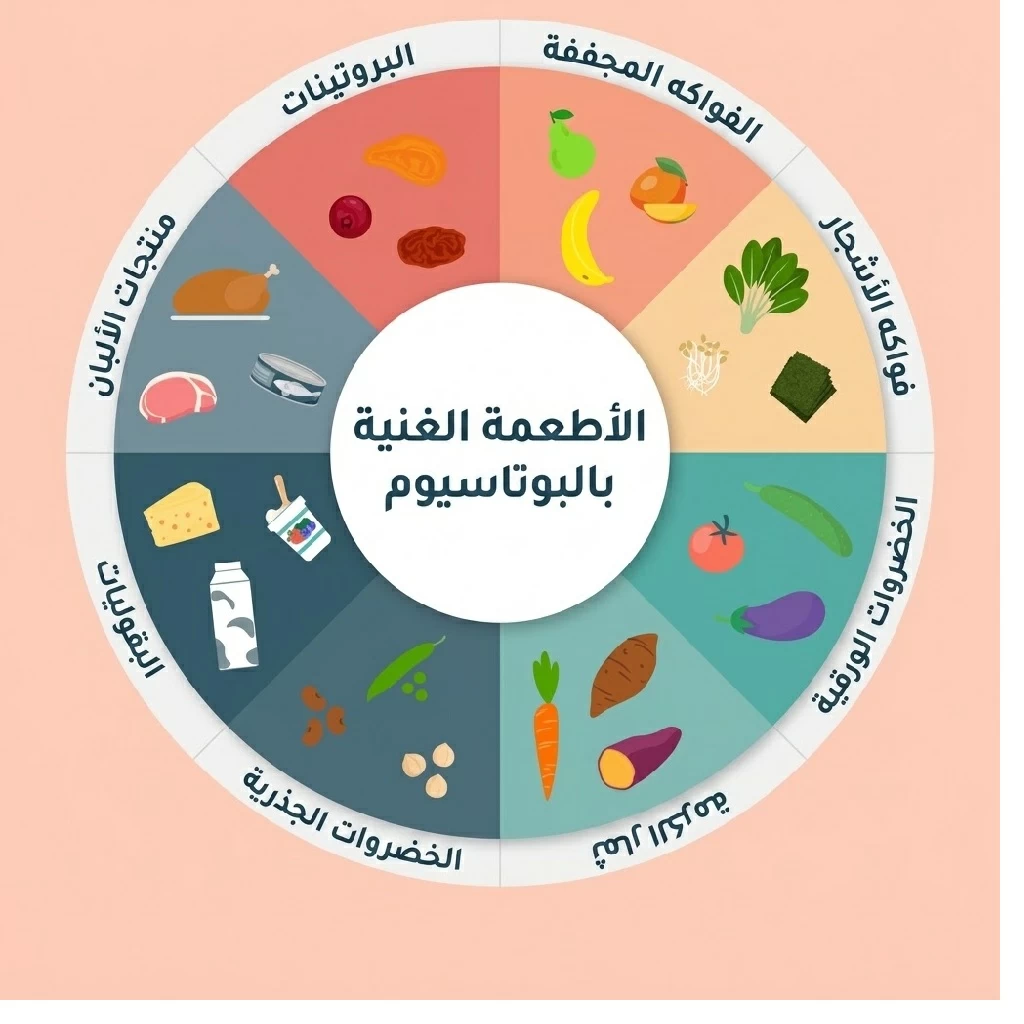
وتحدد جمعية القلب الأمريكية الحد الأقصى للصوديوم بـ2300 ملغ يوميًا، مع هدف مثالي يقارب 1500 ملغ، فيما توصي بتناول 3500 إلى 5000 ملغ من البوتاسيوم يوميًا. وتشمل أفضل مصادره الفاكهة والخضراوات والبقوليات، مثل الشمام، الفاصوليا البيضاء، العدس، الزبادي، السلمون، البطاطا بقشرها، السبانخ، وفول الصويا الأخضر.
ويشدد الخبراء على أن الحصول على البوتاسيوم من الأطعمة الكاملة أفضل بكثير من المكملات الغذائية، محذرين من أن زيادة البوتاسيوم ليست مناسبة للجميع، خصوصًا مرضى الكلى وقصور القلب أو من يعانون من فرط بوتاسيوم الدم، إذ قد تتفاعل بعض الأدوية مع ارتفاع مستوياته مسببة اضطرابات خطيرة في نظم القلب.
Traditional advice for lowering blood pressure has long focused solely on reducing sodium, but recent research is pushing for a reevaluation of this established rule, confirming that increasing potassium may be an equally important, if not more precise, factor in assessing cardiovascular health.
A new report published in the American Journal of Clinical Nutrition presents a different perspective on dietary guidelines, calling for a combination of sodium reduction and potassium increase to achieve the best possible outcomes. This call comes in light of concerning figures; most Americans exceed the recommended sodium limit (2300 mg per day), with an average intake of about 3400 mg, while over 98% of adults receive far less than the required amounts of potassium.
Research indicates that the sodium-to-potassium ratio is a more accurate predictor of heart disease risk compared to measuring sodium alone. Dr. Hernandez explains that adding about 2000 mg of potassium daily could lower systolic blood pressure by about 5 mmHg and diastolic by about 3 mmHg in those with hypertension.
Potassium works to balance the effects of sodium by enhancing the excretion of excess sodium, in addition to its role in relaxing blood vessels. Although low-sodium diets remain a common standard, expert Bianco emphasizes that potassium is essential for maintaining the body's internal balance, and balanced diets remain the most effective.
The guidelines issued in 2025 by the American Heart Association and the American College of Cardiology indicate that a moderate increase in potassium alone could lower blood pressure by approximately 6/4 mmHg, even without reducing sodium.
Hernandez recommends tracking daily meals through dietary apps to determine if an individual truly needs to increase potassium, and then discussing the results with a doctor or nutritionist.
The American Heart Association sets the maximum sodium limit at 2300 mg per day, with an ideal target of around 1500 mg, while recommending a daily intake of 3500 to 5000 mg of potassium. The best sources include fruits, vegetables, and legumes, such as cantaloupe, white beans, lentils, yogurt, salmon, potatoes with skin, spinach, and green soybeans.
Experts stress that obtaining potassium from whole foods is far better than from supplements, warning that increasing potassium is not suitable for everyone, especially those with kidney disease, heart failure, or those suffering from hyperkalemia, as certain medications may interact with elevated levels, causing serious heart rhythm disturbances.