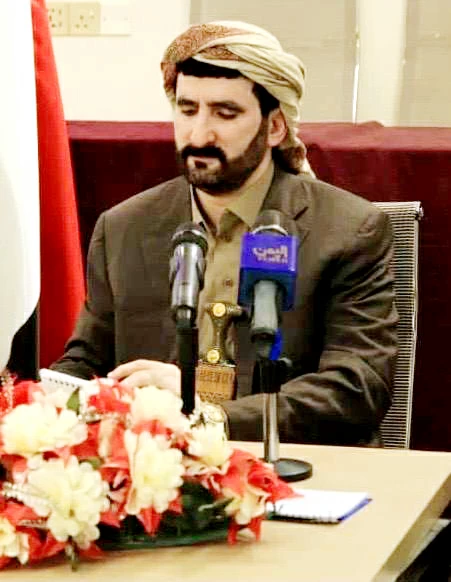
أكد محافظ صنعاء رئيس المجلس المحلي اللواء عبدالقوي أحمد شريف أنهم ينظرون إلى خطاب رئيس مجلس القيادة الرئاسي باعتباره خطابًا مهمًا في هذه المرحلة، ورسالة واضحة بأن الدولة ماضية في تحمّل مسؤولياتها الوطنية في استعادة مؤسساتها وإنهاء الانقلاب الذي فرضته المليشيات الحوثية الإرهابية بقوة السلاح.
وأضاف في حديث لـ«عكاظ»، «لقد عانى الشعب اليمني سنوات طويلة من الحرب والانقلاب ومصادرة مؤسسات الدولة، ودفع ثمنًا باهظًا من أمنه واستقراره واقتصاده وحياة أبنائه»، ومن هنا فإن أي تحرك للدولة يجب أن يكون هدفه استعادة مؤسساتها، وحماية المواطنين، وإنهاء أسباب الحرب، وتهيئة الظروف لسلام عادل ومستدام لا يقوم على فرض الأمر الواقع بالقوة.
الوقوف إلى جانب القوات المسلحة
وأشار إلى أنهم في محافظة صنعاء يقفون إلى جانب القيادة السياسية والقوات المسلحة اليمنية، ويؤكدون أن المعركة الحقيقية هي معركة استعادة الدولة ومؤسساتها، وليست معركة ضد منطقة أو قبيلة أو فئة من أبناء الشعب اليمني. وبيّن محافظ صنعاء أن المعركة اليوم معركة وطنية شاملة، وأهمية تحرك الجبهات تكمن في تكامل الجهد الوطني وتوحيد الهدف تحت قيادة الدولة ومؤسساتها العسكرية والأمنية.
وقال: «نحن على ثقة بقدرة القوات المسلحة اليمنية وقيادتها على إدارة عملياتها وفق ما تقتضيه الظروف الميدانية، ولا نرى أن من المناسب الخوض إعلاميًا في تفاصيل التحركات العسكرية أو اتجاهاتها»، لكن ما نستطيع التأكيد عليه هو أن المرحلة تتطلب توحيد كل القوى والإمكانات خلف الدولة، وإنهاء حالة التشتت، والعمل بروح وطنية واحدة، وكلما توحد القرار السياسي والعسكري، وتكاملت الجبهات، وتعزّز الالتفاف الشعبي حول مؤسسات الدولة، أصبحت استعادة مؤسسات الجمهورية أقرب.
توحيد اليمنيين للوصول إلى صنعاء
وأوضح أن صنعاء ليست مجرد مدينة أو هدف عسكري؛ ولكنها عاصمة الجمهورية، وهي ملك لكل اليمنيين، والطريق إليها يبدأ أولًا بتوحيد اليمنيين حول مشروع الدولة والجمهورية، وباستعادة ثقة المواطن في مؤسسات الدولة، وبالعمل مع أبناء القبائل والشخصيات الاجتماعية والمدنية وكل القوى الوطنية الرافضة للانقلاب، ونحن نعرف محافظة صنعاء ونعرف قبائلها وأبناءها، ونؤكد أن أبناء صنعاء ليسوا حاضنة للمشروع الحوثي كما تحاول المليشيات تصويرهم، ولقد تحمّلت القبائل والمجتمعات المحلية الكثير من الانتهاكات والضغوط والتجنيد والإتاوات ومصادرة الحقوق، ولذلك فإن صنعاء ستعود إلى الدولة بأبنائها، وبالتفاف القبائل والمواطنين حول الجمهورية، وبجهود القوات المسلحة اليمنية وكل القوى الوطنية. وبيّن أن الهدف هو «أن تعود صنعاء عاصمة لجميع اليمنيين، وأن تعود إليها مؤسسات الدولة والقانون، لا أن تدخل في دورة جديدة من الثأر أو الانتقام».
دور وطني للمقاومة الشعبية
وقال محافظ صنعاء إن المقاومة الشعبية كان لها دور وطني مهم منذ بداية الانقلاب، وقدّمت تضحيات كبيرة في مختلف المحافظات، وفي المرحلة الحالية يجب أن تكون أي مشاركة شعبية مساندة للدولة ومنظمة ومنضبطة، وتحت إطار المؤسسات الشرعية وبالتنسيق الكامل مع القوات المسلحة اليمنية والسلطات المحلية، بما يمنع الفوضى ويحافظ على أمن المواطنين، وفي محافظة صنعاء نعمل على تعزيز التواصل مع أبناء القبائل والشخصيات الاجتماعية والقيادات المحلية والوطنية، وتوحيد الجهود بما يخدم استعادة الدولة، ونحيي قبائل اليمن، وفي مقدّمتها القبائل التي تقف اليوم صفًا واحدًا إلى جانب الدولة والجمهورية، ونعتبر هذا الموقف امتدادًا لدورها التاريخي في الدفاع عن اليمن والجمهورية.
سند شعبي للقوات المسلحة
وأشار إلى أن المقاومة الشعبية ليست بديلًا عن الجيش، وإنما سند شعبي للقوات المسلحة والدولة، والجيش هو المؤسسة الوطنية المسؤولة عن إدارة العمليات العسكرية وحماية البلاد.
وعن توقعاته لما ستشهده الأيام القادمة أكد محافظ صنعاء أنهم أمام مرحلة مهمة، ويتوقع أن تشهد الأيام القادمة مزيدًا من التحوّلات على المستويَيْن السياسي والميداني، خصوصًا مع تنامي الالتفاف الشعبي حول مشروع استعادة الدولة. وقال بأن المهم بالنسبة لهم ليس فقط ما يحدث في الجبهات، وإنما ما يحدث داخل المجتمع اليمني نفسه، وهناك إدراك متزايد بأن استمرار سيطرة المليشيات الحوثية الإرهابية يعني استمرار الحرب والعزلة الاقتصادية وتدهور حياة المواطنين. مشيرًا إلى توقعه بأن يكون للقبائل والشخصيات الاجتماعية والوطنية داخل مناطق سيطرة المليشيات دور متزايد في المرحلة القادمة. وأبدى تفاؤله مع الإدراك في الوقت نفسه حجم المسؤولية، داعيًا الجميع إلى ضبط الخطاب والممارسة بما يحافظ على حياة المدنيين وممتلكاتهم ويمنع أي أعمال انتقامية، لأن الهدف استعادة الدولة وحماية المجتمع.
رسالتي لأهلنا في المحافظات الشمالية
وقال: «رسالتي إلى أهلنا في صنعاء وعمران وذمار وإب والحديدة وصعدة وكل منطقة لا تزال تحت سيطرة المليشيات الحوثية الإرهابية: أنتم أهلنا وشركاؤنا في الوطن، وهذه المعركة ليست ضدكم، ونحن ندرك حجم المعاناة التي تحملتموها طوال السنوات الماضية، ونعرف حجم الضغوط والانتهاكات التي تعرّض لها المواطنون والقبائل والموظفون والتجار والشباب، وندعوكم إلى الحفاظ على تماسك المجتمع، وعدم السماح للمليشيات باستخدام المواطنين وقودًا لحروبها، والوقوف إلى جانب الدولة والجمهورية بالوسائل التي تحافظ على سلامتكم وسلامة مجتمعاتكم». ووجه رسالة أخرى إلى أبناء القبائل أكد من خلالها أن القبيلة اليمنية كانت على امتداد التاريخ سندًا للجمهورية والدولة، واليوم تقع عليها مسؤولية وطنية كبيرة في حماية أبنائها ومجتمعاتها ورفض تحويلهم إلى وقود لمشروع لا يخدم اليمن، ونقول لكل من لم تتلطخ يداه بدماء اليمنيين: الوطن يتسع للجميع، والدولة القادمة يجب أن تكون دولة قانون ومواطنة ومؤسسات، لا دولة ثأر وانتقام. وأوضح أن صنعاء ستعود عاصمة للجمهورية ولكل اليمنيين، وغايتنا أن تعود إليها الدولة والأمن والقانون، وأن يفتح اليمن صفحة جديدة عنوانها الجمهورية والسلام والشراكة الوطنية.
The Governor of Sana'a, Head of the Local Council, Major General Abdulqawi Ahmed Sharif, confirmed that they view the speech of the President of the Presidential Leadership Council as an important address at this stage, and a clear message that the state is moving forward in shouldering its national responsibilities to restore its institutions and end the coup imposed by the Houthi terrorist militias by force of arms.
He added in a statement to "Okaz," "The Yemeni people have suffered for many years from war, the coup, and the confiscation of state institutions, paying a heavy price for their security, stability, economy, and the lives of their children." Therefore, any move by the state must aim to restore its institutions, protect citizens, end the causes of war, and create conditions for a just and sustainable peace that does not rely on imposing facts on the ground by force.
Standing by the Armed Forces
He pointed out that in the Governorate of Sana'a, they stand by the political leadership and the Yemeni armed forces, emphasizing that the real battle is the battle to restore the state and its institutions, and not a battle against a region, tribe, or a faction of the Yemeni people. The Governor of Sana'a clarified that today's battle is a comprehensive national battle, and the importance of mobilizing the fronts lies in the integration of national efforts and unifying the goal under the leadership of the state and its military and security institutions.
He said, "We are confident in the ability of the Yemeni armed forces and their leadership to manage their operations according to the field conditions, and we do not see it appropriate to delve into the details of military movements or their directions in the media." However, what we can confirm is that the stage requires uniting all forces and capabilities behind the state, ending the state of fragmentation, and working with a single national spirit. The more the political and military decision is unified, the more the fronts are integrated, and the more popular support around state institutions is strengthened, the closer the restoration of the republic's institutions becomes.
Uniting Yemenis to Reach Sana'a
He explained that Sana'a is not just a city or a military target; it is the capital of the republic and belongs to all Yemenis. The path to it begins first by uniting Yemenis around the project of the state and the republic, restoring citizens' trust in state institutions, and working with tribal members, social figures, and all national forces rejecting the coup. We know the Governorate of Sana'a, its tribes, and its people, and we affirm that the people of Sana'a are not a haven for the Houthi project as the militias try to portray them. The tribes and local communities have endured many violations, pressures, recruitment, extortion, and confiscation of rights. Therefore, Sana'a will return to the state with its people, with the support of the tribes and citizens around the republic, and with the efforts of the Yemeni armed forces and all national forces. He stated that the goal is "for Sana'a to return as the capital for all Yemenis, and for state institutions and law to return to it, not to enter a new cycle of revenge or retaliation."
A National Role for Popular Resistance
The Governor of Sana'a stated that the popular resistance has played an important national role since the beginning of the coup and has made significant sacrifices in various governorates. In the current phase, any popular participation must support the state, be organized and disciplined, and operate within the framework of legitimate institutions and in full coordination with the Yemeni armed forces and local authorities, to prevent chaos and maintain the security of citizens. In the Governorate of Sana'a, we are working to enhance communication with tribal members, social figures, and local and national leaders, unifying efforts to serve the restoration of the state. We salute the tribes of Yemen, especially those that stand today united alongside the state and the republic, and we consider this stance an extension of their historical role in defending Yemen and the republic.
Popular Support for the Armed Forces
He pointed out that the popular resistance is not a substitute for the army, but rather a popular support for the armed forces and the state, and the army is the national institution responsible for managing military operations and protecting the country.
Regarding his expectations for what the coming days will witness, the Governor of Sana'a confirmed that they are facing an important phase and expect that the coming days will witness more transformations on both the political and field levels, especially with the growing popular support for the project of restoring the state. He stated that what is important for them is not only what happens on the fronts but also what happens within Yemeni society itself. There is an increasing awareness that the continued control of the Houthi terrorist militias means the continuation of war, economic isolation, and the deterioration of citizens' lives. He indicated his expectation that tribes and social and national figures within the areas controlled by the militias will have an increasing role in the coming phase. He expressed optimism while also recognizing the size of the responsibility, calling on everyone to regulate their discourse and practices to preserve the lives and properties of civilians and prevent any acts of revenge, as the goal is to restore the state and protect society.
My Message to Our People in the Northern Governorates
He said, "My message to our people in Sana'a, Amran, Dhamar, Ibb, Al Hudaydah, Saada, and every area still under the control of the Houthi terrorist militias: You are our people and our partners in the homeland, and this battle is not against you. We understand the extent of the suffering you have endured over the past years, and we know the scale of the pressures and violations faced by citizens, tribes, employees, merchants, and youth. We urge you to maintain the cohesion of society and not allow the militias to use citizens as fuel for their wars, and to stand by the state and the republic through means that ensure your safety and the safety of your communities." He directed another message to the tribes, affirming that the Yemeni tribe has historically been a support for the republic and the state, and today it bears a significant national responsibility to protect its members and communities and reject turning them into fuel for a project that does not serve Yemen. He said to everyone whose hands are not stained with the blood of Yemenis: the homeland is spacious for all, and the coming state must be a state of law, citizenship, and institutions, not a state of revenge and retaliation. He clarified that Sana'a will return as the capital of the republic and for all Yemenis, and our goal is for the state, security, and law to return to it, and for Yemen to open a new chapter titled the republic, peace, and national partnership.