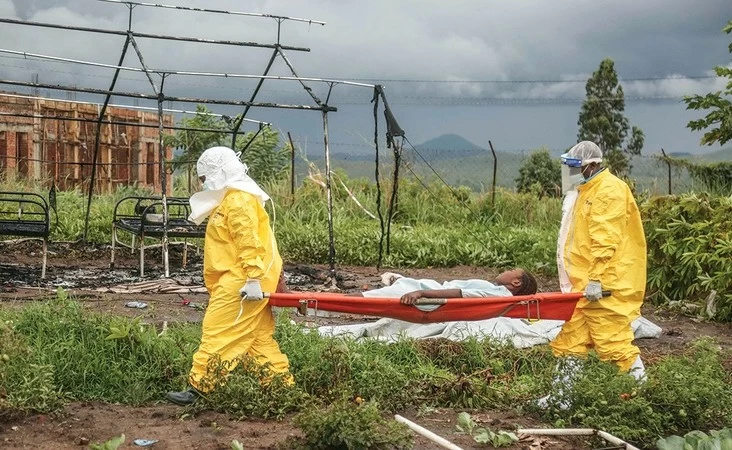
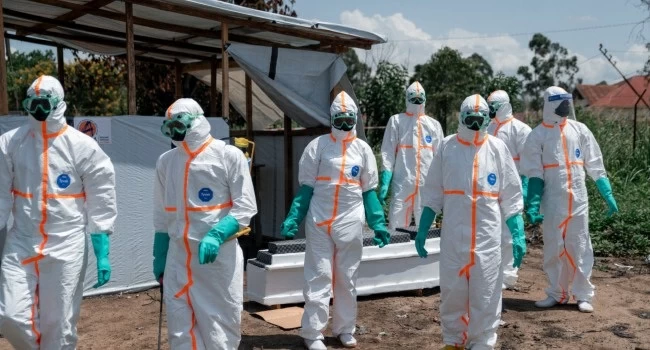
تحوّل تفشي فيروس إيبولا في جمهورية الكونغو الديمقراطية إلى أخطر موجة يشهدها البلد منذ اكتشاف المرض قبل نصف قرن، بعدما ارتفع عدد الوفيات إلى 2325 حالة وفق أحدث البيانات الحكومية الصادرة (الأحد)، متجاوزًا الرقم المسجل خلال تفشي 2018–2020 الذي كان يُعد الأكثر فتكًا في تاريخ البلاد. كما ارتفع عدد الإصابات المؤكدة إلى 4945 حالة، بينها 101 إصابة جديدة رُصدت خلال يوم واحد، بحسب تقرير معهد الصحة العامة في الكونغو .
ويمثِّل هذا التفشي، وهو السابع عشر في تاريخ الكونغو، نقطة تحول غير مسبوقة في انتشار المرض، إذ تخطى في أواخر يوليو الرقم القياسي لعدد الإصابات المسجل في جميع التفشيات السابقة، ليصبح الأكبر من حيث حجم الانتشار وسرعته. وتشير المقارنات الزمنية إلى أن وتيرة الوفيات تتسارع بشكل لافت؛ فقد تجاوزت حصيلة الوفيات حاجز الألفين في أقل من ثلاثة أشهر، بينما احتاج وباء غرب إفريقيا بين 2014 و2016 إلى نحو خمسة أشهر للوصول إلى ألف وفاة.
ورغم أن التفشي الحالي لا يزال أقل حجمًا من وباء غرب إفريقيا الذي سجل أكثر من 28 ألف إصابة و11 ألف وفاة، فإن خبراء الصحة يحذرون من أن سرعة الانتشار الحالية في الكونغو تُعد الأعلى على الإطلاق، وسط اتساع نطاق الإصابات إلى عشرات المناطق الصحية في ستة أقاليم؛ وفق تقديرات الأمم المتحدة ومنظمة الصحة العالمية التي وصفت الوضع بأنه «الأسرع انتشارًا» في تاريخ البلاد .
وتعود موجة التفشي الحالية إلى سلالة (بونديبوغيو) من فيروس إيبولا، وهي سلالة لا يتوفر لها حتى الآن لقاح أو علاج معتمد. وتخضع مجموعة محدودة من اللقاحات والعلاجات التجريبية للتقييم، فيما تبحث الجهات الصحية الدولية إمكانية استخدام بعض علاجات الإيبولا المتاحة، رغم أن الأدلة العلمية المتوفرة بشأن فعاليتها لا تزال مقتصرة على دراسات أُجريت على الحيوانات .
وينتقل فيروس إيبولا عبر الاتصال المباشر بسوائل جسم المصاب، سواء أكان حيًا أم متوفى، ويمكن أن يسبب أعراضًا تشمل الحمى والقيء والإسهال، وقد تتطور الحالات الشديدة إلى نزيف داخلي وخارجي. وتؤكد منظمة الصحة العالمية أن إشراك المجتمعات المحلية في جهود الاستجابة يمثل عنصرًا حاسمًا للحد من انتشار المرض، خصوصًا مع استمرار اكتشاف العديد من الحالات في وقت متأخر بعد الوفاة، ما يعكس تحديات كبيرة في التتبع والرعاية.
The outbreak of the Ebola virus in the Democratic Republic of the Congo has turned into the most dangerous wave the country has witnessed since the disease was discovered half a century ago, with the death toll rising to 2,325 cases according to the latest government data released (on Sunday), surpassing the number recorded during the 2018–2020 outbreak, which was considered the deadliest in the country’s history. The number of confirmed infections has also risen to 4,945 cases, including 101 new infections reported in a single day, according to a report from the Congo Public Health Institute.
This outbreak, the seventeenth in the history of the Congo, represents an unprecedented turning point in the spread of the disease, as it surpassed the record number of infections recorded in all previous outbreaks by late July, becoming the largest in terms of both spread and speed. Temporal comparisons indicate that the rate of fatalities is accelerating significantly; the death toll exceeded the two-thousand mark in less than three months, while the West Africa outbreak between 2014 and 2016 took about five months to reach a thousand deaths.
Although the current outbreak is still smaller in scale than the West Africa epidemic, which recorded more than 28,000 infections and 11,000 deaths, health experts warn that the current rate of spread in the Congo is the highest ever, with the scope of infections expanding to dozens of health areas across six provinces; according to estimates from the United Nations and the World Health Organization, which described the situation as the "fastest spreading" in the country’s history.
The current wave of the outbreak is attributed to the (Bundibugyo) strain of the Ebola virus, which currently has no available vaccine or approved treatment. A limited range of experimental vaccines and treatments are under evaluation, while international health authorities are exploring the possibility of using some available Ebola treatments, although the scientific evidence regarding their effectiveness remains limited to studies conducted on animals.
The Ebola virus is transmitted through direct contact with the bodily fluids of an infected person, whether alive or deceased, and can cause symptoms including fever, vomiting, and diarrhea, with severe cases potentially developing into internal and external bleeding. The World Health Organization emphasizes that involving local communities in response efforts is a critical element in reducing the spread of the disease, especially as many cases continue to be discovered late after death, reflecting significant challenges in tracking and care.