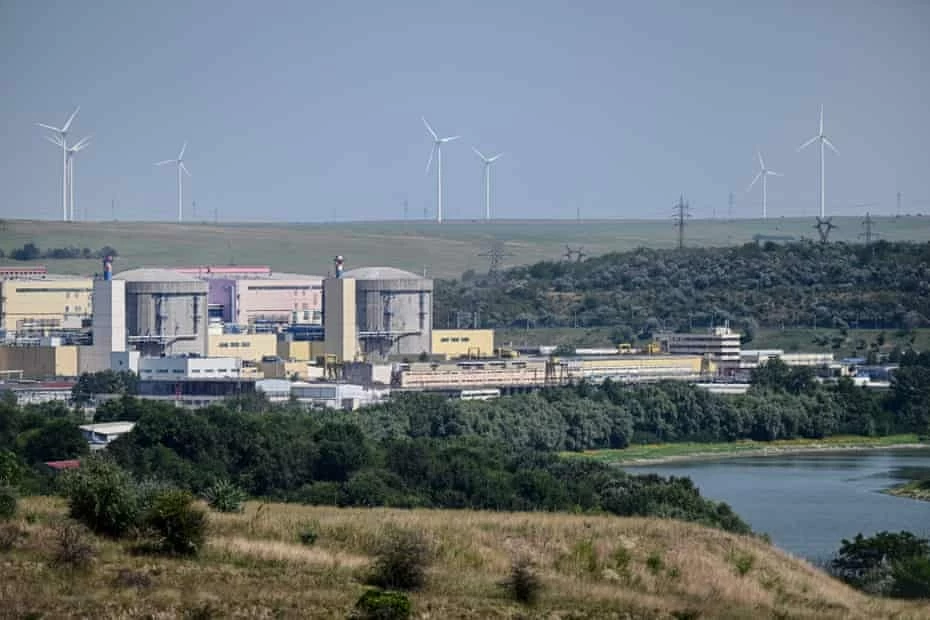
دخل قطاع الطاقة في أوروبا مرحلة جديدة من الضغوط مع استمرار موجة الجفاف وارتفاع درجات الحرارة، بعدما اضطرت رومانيا إلى إيقاف آخر مفاعل عامل في محطتها النووية الوحيدة، نتيجة الانخفاض القياسي في منسوب مياه نهر الدانوب، الذي تعتمد عليه المحطة في تبريد مفاعلاتها.
وأثار القرار مخاوف من تفاقم أزمة الطاقة في المنطقة، خصوصًا في مولدوفا المجاورة، التي تعتمد بصورة كبيرة على الكهرباء المستوردة من رومانيا لتغطية جزء كبير من احتياجاتها، في وقت تواجه فيه دول أوروبية أخرى تداعيات مماثلة بسبب تراجع مستويات الأنهار وارتفاع درجات الحرارة.
انخفاض قياسي في مياه الدانوب
وأعلنت شركة Nuclearelectrica الرومانية، (الخميس)، إيقاف المفاعل الثاني في محطة تشيرنافودا النووية، بسبب الانخفاض المستمر والكبير في مستوى مياه نهر الدانوب.
وكانت الشركة قد اضطرت في أواخر يوليو الماضي إلى إيقاف أحد المفاعلين العاملين بالمحطة للسبب ذاته، قبل أن يؤدي استمرار تراجع منسوب المياه إلى وقف المفاعل الثاني.
وقالت الشركة إنها لا تتوقع إعادة تشغيل المفاعل خلال الأيام العشرة القادمة على الأقل.
وتضم محطة تشيرنافودا مفاعلين تبلغ قدرة كل منهما 706 ميغاواط، وكانا يوفران معًا نحو 20% من إجمالي إنتاج الكهرباء في رومانيا، ما يجعل توقفهما ضربة كبيرة لإمدادات الطاقة في البلاد.
رومانيا تعلن حالة طوارئ في قطاع الطاقة
وفي ظل الضغوط المتزايدة، أعلنت رومانيا حالة طوارئ في قطاع الطاقة طوال شهر أغسطس، وطلبت من الشركات والأسر خفض استهلاك الكهرباء خلال ساعات ذروة الطلب.
وقالت وزارة الطاقة الرومانية إنها لجأت إلى تشغيل محطة تعمل بالفحم الحجري بطاقة تصل إلى 330 ميغاواط، بالتزامن مع الاعتماد بصورة أكبر على إنتاج طاقة الرياح والطاقة الكهرومائية، وفق كميات المياه المتاحة في الخزانات.
وحذرت السلطات من أنه في حال عدم كفاية هذه الإجراءات، فقد تضطر إلى فرض قيود على استهلاك الكهرباء لدى كبار المستخدمين الصناعيين خلال ساعات المساء.
وفي وقت سابق من أغسطس، أعلنت الحكومة أن شركتي صناعة السيارات داسيا وفورد ستوقفان الإنتاج في البلاد حتى 19 أغسطس، في إطار إجراءات التعامل مع العجز في إمدادات الكهرباء.
مولدوفا أمام خيارات صعبة
ولا تقتصر تداعيات توقف المفاعل الروماني على رومانيا، إذ تواجه مولدوفا المجاورة تحديًا إضافيًا في تأمين احتياجاتها من الكهرباء.
وتعتمد مولدوفا على الكهرباء القادمة من رومانيا لتغطية ما يصل إلى 60% من احتياجاتها الناتجة عن نقص الكهرباء، ما يعني أن توقف الإمدادات الرومانية يضعها أمام خيارات أكثر تكلفة وصعوبة.
وقد تضطر كيشيناو إلى زيادة مشترياتها من أوكرانيا، إذا تمكنت كييف من توفير الكميات المطلوبة، أو اللجوء إلى شراء الكهرباء بأسعار أعلى من دول أوروبا الغربية، أو تطبيق نظام لتناوب انقطاع التيار الكهربائي.
وقال خبير الطاقة المولدوفي سيرجيو توفيلات لإذاعة كيشيناو، إنه يتعين الاستعداد لتدهور الوضع، بما في ذلك احتمال حدوث انقطاعات في الكهرباء، رغم صعوبة تحديد مدى خطورة الوضع في الوقت الحالي.
أزمة الجفاف تضرب الطاقة النووية في أوروبا
ولا تواجه رومانيا وحدها تداعيات الجفاف، إذ امتدت آثاره إلى عدد من محطات الطاقة النووية في أوروبا، التي تعتمد الأنهار ومصادر المياه في عمليات تبريد المفاعلات.
وأظهر تحليل لمرصد كوبرنيكوس الأوروبي لتغير المناخ أن تدفقات المياه في نحو ثلثي نهر الدانوب انخفضت إلى أدنى مستويات مسجلة لشهر يوليو خلال 34 عامًا.
وفي فرنسا، التي تعتمد على الطاقة النووية لتوليد نحو 70% من احتياجاتها من الكهرباء، تسببت مجموعة من العوامل، بينها الجفاف والحرارة الشديدة، في تسجيل عجز تجاوز 20% من قدرة إنتاج الطاقة النووية خلال هذا الأسبوع، وفق حسابات وكالة الصحافة الفرنسية استنادًا إلى بيانات شركة الكهرباء الفرنسية EDF.
وتأثر 13 مفاعلًا من أصل 57 مفاعلًا تديرها EDF، في ظل الظروف المناخية القاسية، إضافة إلى تأثير أسراب قناديل البحر في بعض عمليات التشغيل.
المجر تحاول حماية محطتها النووية
وفي المجر المجاورة لرومانيا، تواجه محطة باكس النووية، التي تضم أربعة مفاعلات تعتمد كذلك على مياه الدانوب في التبريد، مخاطر مماثلة.
ولم تضطر المجر حتى الآن إلى إيقاف المحطة بالكامل، إلا أن استمرار انخفاض منسوب النهر دفع الحكومة إلى اتخاذ إجراءات استثنائية.
وقال رئيس الوزراء المجري بيتر ماغيار، الأربعاء، إن الحكومة أمرت ببناء حاجز مائي مغمور أو سد منخفض بالقرب من المحطة، بهدف محاولة التحكم في تدفق المياه ورفع مستواها حول المنشأة.
كما يجري وضع بارجتين يبلغ طول كل منهما 80 مترًا بالقرب من محطة باكس، مع إمكانية إغراقهما للمساعدة في رفع مستوى المياه.
وتوفر محطة باكس عادة نحو ثلث احتياجات المجر من الكهرباء، لكنها تعمل بصورة جزئية منذ أواخر الشهر الماضي.
الجفاف يهدد حركة الملاحة أيضًا
وتتجاوز تداعيات انخفاض منسوب الدانوب قطاع الطاقة، إذ تسبب تراجع المياه في اضطرابات شديدة لحركة الملاحة النهرية على طول المجرى الذي يمتد لمسافة تقارب 2850 كيلومترًا من غرب ألمانيا حتى البحر الأسود.
ويرى علماء أن تغير المناخ الناجم عن الأنشطة البشرية أدى إلى تفاقم الجفاف الذي تشهده أوروبا، محذرين من أن هذه الظاهرة مرشحة للاشتداد مستقبلًا.
وتسلط أزمة الدانوب الضوء على التحديات المتزايدة التي تواجه البنية التحتية الأوروبية أمام موجات الجفاف والحرارة الشديدة، بعدما أصبحت المياه عنصرًا حاسمًا ليس فقط في الزراعة والنقل، وإنما أيضًا في الحفاظ على استقرار إمدادات الكهرباء والطاقة النووية.
The energy sector in Europe has entered a new phase of pressure as the drought continues and temperatures rise, after Romania was forced to shut down the last operational reactor at its only nuclear power plant due to the record low levels of the Danube River, which the plant relies on for cooling its reactors.
The decision has raised concerns about the worsening energy crisis in the region, especially in neighboring Moldova, which heavily depends on electricity imported from Romania to cover a significant portion of its needs, at a time when other European countries are facing similar repercussions due to declining river levels and rising temperatures.
Record Low Levels in the Danube
The Romanian company Nuclearelectrica announced on Thursday the shutdown of the second reactor at the Cernavodă nuclear power plant due to the ongoing and significant drop in the Danube River's water level.
The company had previously been forced to shut down one of the two operational reactors at the plant in late July for the same reason, before the continued decline in water levels led to the shutdown of the second reactor.
The company stated that it does not expect to restart the reactor for at least the next ten days.
The Cernavodă plant has two reactors, each with a capacity of 706 megawatts, which together provided about 20% of Romania's total electricity production, making their shutdown a significant blow to the country's energy supplies.
Romania Declares State of Emergency in the Energy Sector
Amid increasing pressures, Romania declared a state of emergency in the energy sector for the entire month of August and requested that companies and households reduce electricity consumption during peak demand hours.
The Romanian Ministry of Energy stated that it resorted to operating a coal-fired power plant with a capacity of up to 330 megawatts, while also relying more on wind and hydroelectric power generation, depending on the available water levels in the reservoirs.
Authorities warned that if these measures are insufficient, they may have to impose restrictions on electricity consumption for large industrial users during evening hours.
Earlier in August, the government announced that car manufacturers Dacia and Ford would halt production in the country until August 19 as part of measures to address the electricity supply shortage.
Moldova Faces Tough Choices
The repercussions of the Romanian reactor's shutdown are not limited to Romania, as neighboring Moldova faces an additional challenge in securing its electricity needs.
Moldova relies on electricity from Romania to cover up to 60% of its needs due to the electricity shortage, meaning that the cessation of Romanian supplies puts it in a position of more costly and difficult options.
Chișinău may have to increase its purchases from Ukraine, if Kyiv can provide the required quantities, or resort to buying electricity at higher prices from Western European countries, or implement a system of rolling blackouts.
Moldovan energy expert Sergio Tofilat told Chișinău radio that preparations should be made for a deterioration of the situation, including the possibility of power outages, although it is difficult to determine the severity of the situation at this time.
Drought Crisis Hits Nuclear Energy in Europe
Romania is not the only country facing the repercussions of drought, as its effects have extended to several nuclear power plants in Europe, which rely on rivers and water sources for cooling their reactors.
An analysis by the European Copernicus Climate Change Service showed that water flows in about two-thirds of the Danube River have dropped to the lowest recorded levels for July in 34 years.
In France, which relies on nuclear energy for about 70% of its electricity needs, a combination of factors, including drought and extreme heat, has led to a shortfall exceeding 20% of nuclear power production capacity this week, according to calculations by the French news agency based on data from the French electricity company EDF.
Thirteen reactors out of the 57 managed by EDF have been affected by the harsh weather conditions, in addition to the impact of jellyfish swarms on some operational processes.
Hungary Tries to Protect Its Nuclear Plant
In neighboring Hungary, the Paks nuclear power plant, which has four reactors that also rely on the Danube for cooling, faces similar risks.
Hungary has not yet had to shut down the plant entirely, but the continued drop in river levels has prompted the government to take exceptional measures.
Hungarian Prime Minister Peter Szijjarto stated on Wednesday that the government has ordered the construction of an underwater barrier or a low dam near the plant, aiming to try to control the water flow and raise its level around the facility.
Two barges, each 80 meters long, are also being placed near the Paks plant, with the possibility of submerging them to help raise the water level.
The Paks plant typically provides about one-third of Hungary's electricity needs, but it has been operating partially since late last month.
Drought Also Threatens Navigation
The repercussions of the Danube's low water levels extend beyond the energy sector, as the decline in water has caused severe disruptions to river navigation along the waterway that stretches nearly 2,850 kilometers from western Germany to the Black Sea.
Scientists believe that climate change caused by human activities has exacerbated the drought being experienced in Europe, warning that this phenomenon is likely to intensify in the future.
The Danube crisis highlights the increasing challenges facing European infrastructure in the face of droughts and extreme heat, as water has become a critical element not only in agriculture and transportation but also in maintaining the stability of electricity and nuclear energy supplies.