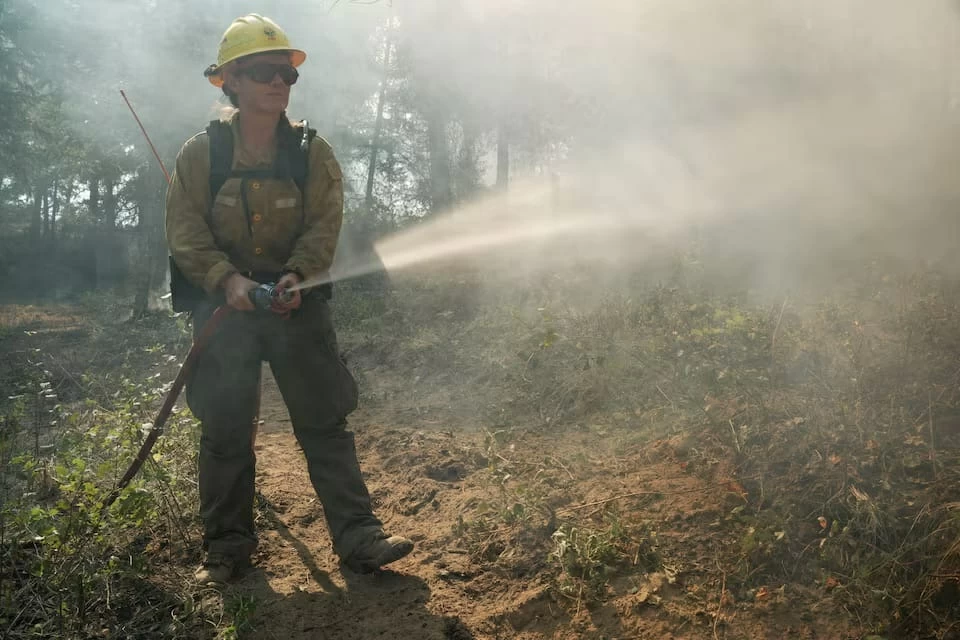
تشهد الولايات المتحدة واحداً من أكثر مواسم حرائق الغابات شدة في تاريخها الحديث، وسط ارتفاع حاد في المخاطر التي يواجهها رجال الإطفاء، بعدما أظهرت بيانات اتحادية تسجيل 12 حادثة حوصرت فيها فرق مكافحة الحرائق وسط النيران منذ بداية عام 2026، وهي أعلى حصيلة مسجلة خلال هذه الفترة منذ عام 2006.
وأسفرت تلك الحوادث حتى الآن عن 6 وفيات وعشرات الإصابات، في وقت التهمت فيه حرائق الغابات مساحة قياسية من الأراضي الأمريكية، ما يسلط الضوء على تصاعد المخاطر التي تواجه فرق الإطفاء في ظل ظروف مناخية شديدة القسوة.
12 حادثة محاصرة بالنيران خلال 2026
وبحسب بيانات مركز Wildland Fire Lessons Learned Center التابع للحكومة الأمريكية، سُجلت 12 حادثة «محاصرة» لرجال الإطفاء بالنيران منذ بداية العام، متجاوزة بالفعل متوسط العدد السنوي البالغ 9 حوادث خلال العقدين الماضيين.
وتُعرف هذه الحوادث بأنها مواقف تهدد حياة رجال الإطفاء عندما تتغير سلوكيات النيران بصورة مفاجئة، فتغلق طرق الهروب أو تجعل مناطق الأمان غير صالحة للاستخدام.
ويعكس ارتفاع هذه الحوادث حجم الضغوط التي تواجهها فرق مكافحة الحرائق، في ظل زيادة عدد الحرائق واتساع رقعتها واستمرارها لفترات أطول.
وأظهرت البيانات أن 6 من أصل 13 شخصاً لقوا حتفهم أثناء مكافحة حرائق الغابات في الولايات المتحدة خلال العام الحالي كانوا من ضحايا حوادث المحاصرة بالنيران، مقارنة بمتوسط يبلغ نحو 4 وفيات سنوياً بهذه الطريقة من إجمالي 17 وفاة تقريباً بين العاملين في مكافحة حرائق الغابات.
6.4 مليون فدان احترقت
وتزامن ارتفاع المخاطر مع موسم حرائق استثنائي في الولايات المتحدة، خصوصاً في المناطق الغربية، بعد شتاء شهد انخفاضاً تاريخياً في الغطاء الثلجي، إلى جانب تسجيل درجات حرارة قياسية واستمرار الجفاف منذ سنوات.
وقال المركز الوطني المشترك لمكافحة الحرائق إن النيران التهمت حتى الآن نحو 6.4 مليون فدان، أي ما يقارب 2.6 مليون هكتار، وهو أعلى مستوى مسجل حتى 12 أغسطس.
كما تعاملت فرق الإطفاء مع أكثر من 46,500 حريق غابات منذ بداية العام، وهو أعلى عدد تسجله البلاد منذ أكثر من عقد.
ويعني اتساع رقعة الحرائق واستمرار الظروف الجافة والمتطرفة أن رجال الإطفاء يواجهون الخطر لفترات أطول، في وقت تصبح فيه سرعة انتشار النيران أكثر صعوبة في التنبؤ والسيطرة.
ويربط خبراء جزءاً من تفاقم هذه الظروف بتغير المناخ الناتج عن حرق الوقود الأحفوري، وما يرافقه من ارتفاع درجات الحرارة وزيادة الجفاف وتفاقم ظروف اشتعال وانتشار الحرائق.
انتقادات لسياسة «الإخماد الكامل»
إلى جانب الظروف الطبيعية القاسية، أثار عدد من رجال الإطفاء الحاليين والسابقين مخاوف بشأن تأثير سياسة إدارة الرئيس الأمريكي دونالد ترمب التي تدعو إلى إخماد الحرائق بصورة سريعة وكاملة.
وقال سبعة من رجال الإطفاء، الحاليين والسابقين، إنهم يخشون أن تكون هذه السياسة قد دفعت بعض الفرق إلى تحمل مخاطر غير معتادة في محاولة للسيطرة على الحرائق في مراحلها الأولى.
وكانت وزيرة الزراعة الأمريكية بروك رولينز، التي تشرف وزارتها على هيئة الغابات الأمريكية، قد أكدت في رسالة وجهتها إلى الموظفين في أبريل أن أولويتها تتمثل في تسريع الاستجابة الأولية للحرائق واستخدام إستراتيجية الإخماد الكامل.
لكن ريفا دنكان، رئيسة مجموعة Grassroots Wildland Firefighters المدافعة عن حقوق رجال الإطفاء، قالت إن هذه الإستراتيجية ليست مناسبة دائماً، خصوصاً عندما تكون الظروف الميدانية شديدة التقلب بسبب الجفاف والرياح القوية.
وأضافت أن بعض الحرائق تكون خطيرة إلى درجة لا تسمح بإرسال رجال الإطفاء مباشرة إلى مسارها.
ومن جانبه، قال براين فينيسي، مدير جهاز مكافحة حرائق الغابات الأمريكي الجديد، إن سياسات عام 2025 التي شجعت رجال الإطفاء على اتباع أسلوب أكثر اندفاعاً في الاستجابة الأولية أثارت لديه الاستغراب، مؤكدًا أن إجراءات مكافحة الحرائق كانت بالفعل تتسم بالصرامة.
وشدد على أن التعامل الهجومي مع الحرائق لا يعني تعريض العاملين لمخاطر إضافية أو استثنائية تهدد حياتهم.
مأساة حريق كولورادو
وكانت واحدة من أكثر الحوادث دموية هذا العام مرتبطة بحريق Knowles Fire في ولاية كولورادو، حيث لقي أربعة من رجال الإطفاء العاملين ضمن فرق الهليكوبتر مصرعهم، فيما أصيب آخر بحروق بالغة، بعد محاصرتهم بالنيران في 27 يونيو.
وتُعرف فرق Helitack بأنها وحدات من رجال الإطفاء يتم نقلها بواسطة المروحيات إلى المناطق القريبة من الحرائق، غالباً لتنفيذ عمليات إنشاء حواجز نارية والحد من انتشار النيران.
وشكلت حوادث المحاصرة التي تعرضت لها هذه الفرق نحو ربع إجمالي الحوادث المسجلة خلال العام الحالي.
ووصف حادث كولورادو بأنه الأكثر فتكاً من نوعه خلال 13 عاماً.
ومع ذلك، قالت هيئة مكافحة حرائق الغابات الأمريكية الجديدة إن وقوع 3 حوادث مرتبطة بفرق Helitack لا يعني بالضرورة أن عمليات مكافحة الحرائق باستخدام هذه الوحدات أصبحت أكثر خطورة.
مخاوف من نقص العاملين والإرهاق
وتتزايد المخاوف كذلك بشأن تأثير خفض أعداد العاملين في هيئة الغابات الأمريكية ضمن عملية إعادة هيكلة وتقليص أوسع للجهاز الفيدرالي.
وقال سكوت فيتزويليامز، المشرف السابق على غابة White River National Forest في كولورادو، إن خفض أكثر من 6,000 وظيفة في هيئة الغابات الأمريكية خلال عام 2025 أضعف منظومة الدعم التي كانت تخدم نحو 11,300 رجل إطفاء، وأسهم في زيادة مستويات الإرهاق بين العاملين.
ويرى فيتزويليامز أن الضغط لإخماد جميع الحرائق عندما تكون صغيرة قد يعرض رجال الإطفاء للخطر، معتبرًا أن سياسة الإخماد الكامل تعيد إلى الواجهة ممارسات تعود إلى القرن العشرين وأسهمت، بحسب رأيه، في تراكم الوقود النباتي داخل الغابات، وهو أحد العوامل التي تغذي أزمة حرائق الغابات الحالية.
وفي المقابل، أكدت هيئة الغابات الأمريكية أن سلامة رجال الإطفاء تمثل أولويتها القصوى، مشيرة إلى أن التحقيقات لا تزال مستمرة في الحوادث التي حوصر خلالها العاملون وسط النيران.
كما أعلن جهاز مكافحة حرائق الغابات الأمريكي الجديد أنه يراجع حوادث المحاصرة المسجلة بهدف استخلاص الدروس وتحسين إجراءات حماية العاملين.
وتشير الأرقام القياسية الحالية إلى أن موسم حرائق الغابات في الولايات المتحدة لا يمثل تحدياً بيئياً فحسب، بل يتحول بصورة متزايدة إلى أزمة سلامة مهنية وإنسانية لآلاف العاملين الذين يواجهون النيران في ظروف أكثر قسوة وتعقيداً من أي وقت مضى.
The United States is experiencing one of the most severe wildfire seasons in its modern history, amid a sharp increase in the risks faced by firefighters, as federal data shows that 12 incidents have trapped firefighting teams in flames since the beginning of 2026, the highest recorded during this period since 2006.
These incidents have so far resulted in 6 fatalities and dozens of injuries, as wildfires have consumed a record area of American land, highlighting the escalating dangers faced by firefighting teams under extremely harsh climatic conditions.
12 Fire-Trapping Incidents in 2026
According to data from the Wildland Fire Lessons Learned Center, a U.S. government agency, 12 "trapping" incidents involving firefighters have been recorded since the beginning of the year, already surpassing the average annual number of 9 incidents over the past two decades.
These incidents are defined as situations that threaten the lives of firefighters when fire behavior changes suddenly, closing escape routes or rendering safe zones unusable.
The increase in these incidents reflects the pressures faced by firefighting teams, amid a rise in the number of fires, their spread, and their longer duration.
Data showed that 6 out of 13 individuals who died while combating wildfires in the United States this year were victims of fire trapping incidents, compared to an average of about 4 fatalities annually in this manner out of a total of approximately 17 deaths among wildfire fighters.
6.4 Million Acres Burned
The rise in risks coincided with an exceptional wildfire season in the United States, particularly in the western regions, following a winter that saw a historic decline in snow cover, alongside record temperatures and ongoing drought for years.
The National Interagency Fire Center reported that fires have so far consumed about 6.4 million acres, or approximately 2.6 million hectares, the highest level recorded as of August 12.
Firefighting teams have also dealt with more than 46,500 wildfires since the beginning of the year, the highest number recorded in the country in over a decade.
The expansion of fire areas and the continuation of dry and extreme conditions mean that firefighters face danger for longer periods, as the speed of fire spread becomes more difficult to predict and control.
Experts link part of the exacerbation of these conditions to climate change resulting from fossil fuel burning, accompanied by rising temperatures, increased drought, and worsening fire ignition and spread conditions.
Criticism of the "Full Suppression" Policy
In addition to harsh natural conditions, several current and former firefighters have raised concerns about the impact of President Donald Trump's administration policy that calls for rapid and complete fire suppression.
Seven current and former firefighters expressed fears that this policy may have pushed some teams to take unusual risks in an attempt to control fires in their early stages.
U.S. Agriculture Secretary Brooke Rollins, whose department oversees the U.S. Forest Service, confirmed in a message to staff in April that her priority is to accelerate the initial response to fires and implement a full suppression strategy.
However, Riva Duncan, head of the Grassroots Wildland Firefighters advocacy group, stated that this strategy is not always appropriate, especially when field conditions are highly volatile due to drought and strong winds.
She added that some fires are dangerous enough that they do not allow for firefighters to be sent directly into their path.
For his part, Brian Fennessy, the new director of the U.S. Forest Service, expressed surprise at the 2025 policies that encouraged firefighters to adopt a more aggressive approach in initial response, emphasizing that fire suppression measures were already stringent.
He stressed that an aggressive approach to fires does not mean exposing workers to additional or extraordinary risks that threaten their lives.
The Colorado Fire Tragedy
One of the deadliest incidents this year was linked to the Knowles Fire in Colorado, where four firefighters working with helicopter teams were killed, and another was severely burned after being trapped by flames on June 27.
Helitack teams are known as units of firefighters transported by helicopters to areas near fires, often to carry out firebreak construction and limit the spread of flames.
The trapping incidents experienced by these teams accounted for about a quarter of the total incidents recorded this year.
The Colorado incident was described as the deadliest of its kind in 13 years.
However, the new U.S. Forest Service stated that the occurrence of 3 incidents involving Helitack teams does not necessarily mean that firefighting operations using these units have become more dangerous.
Concerns Over Workforce Shortages and Fatigue
Concerns are also growing about the impact of workforce reductions at the U.S. Forest Service amid a broader restructuring and downsizing of the federal agency.
Scott Fitzwilliams, a former supervisor of the White River National Forest in Colorado, stated that cutting more than 6,000 jobs at the U.S. Forest Service in 2025 weakened the support system that served about 11,300 firefighters and contributed to increased levels of fatigue among workers.
Fitzwilliams believes that the pressure to suppress all fires when they are small may put firefighters at risk, considering that the full suppression policy brings back practices from the 20th century that he believes contributed to the accumulation of fuel in forests, one of the factors fueling the current wildfire crisis.
In contrast, the U.S. Forest Service has affirmed that the safety of firefighters is its top priority, noting that investigations are still ongoing into the incidents in which workers were trapped in flames.
The new U.S. Forest Service also announced that it is reviewing recorded trapping incidents to draw lessons and improve worker protection procedures.
Current record numbers indicate that the wildfire season in the United States is not only an environmental challenge but is increasingly turning into a professional and humanitarian crisis for thousands of workers facing flames under harsher and more complex conditions than ever before.