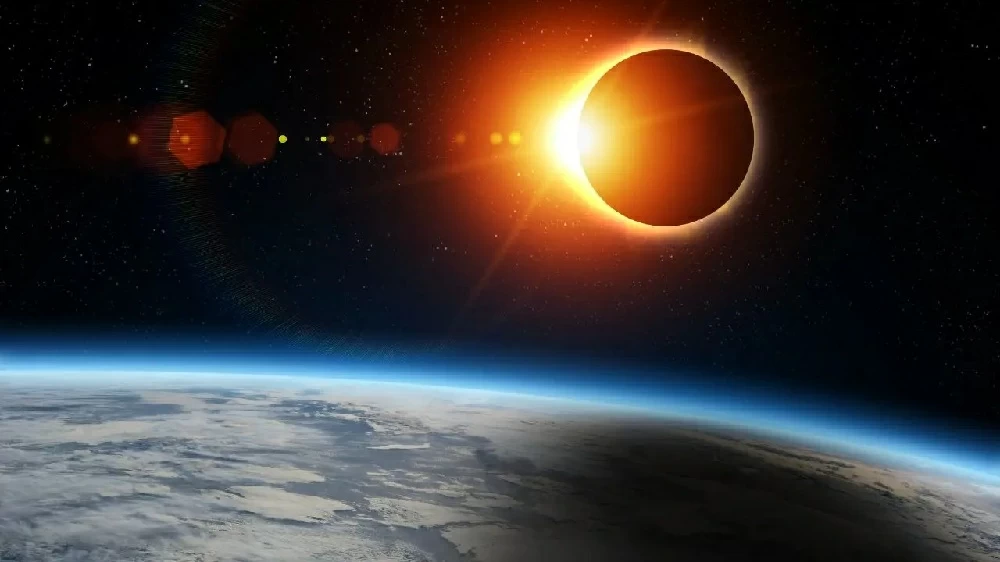
تتجه أنظار الملايين حول العالم نحو السماء لمتابعة الكسوف الشمسي الكلي المنتظر، في حدث فلكي نادر يخطف الأنفاس ويحوّل النهار إلى شفق داكن لبضع دقائق.
ورغم أن المشهد يبدو بسيطًا للعين، فإنه يخفي وراءه تفاعلاً فلكيًا دقيقًا يحدث عندما يصطف القمر بين الأرض والشمس، فيحجب ضوءها عن مناطق محددة من سطح الأرض.
ويبدأ الكسوف عندما يتحرك القمر أمام الشمس تدريجيًا، فتظهر مرحلة الكسوف الجزئي، قبل أن يدخل جزء من العالم في المسار الضيق لظل القمر الكامل، حيث يحدث الكسوف الكلي وتختفي أشعة الشمس تمامًا، ولا يبقى مرئيًا سوى الهالة الشمسية المتلألئة حول القرص المحجوب.
ومع بلوغ الكسوف ذروته، قد يتحول النهار إلى ظلام يشبه لحظات الغروب، وتنخفض درجات الحرارة، وتظهر بعض النجوم والكواكب، بينما تتغير سلوكيات الحيوانات التي تعتمد على الضوء في نشاطها اليومي.
ورغم جمال المشهد، تحذر وكالات الفضاء من مخاطر النظر المباشر إلى الشمس دون حماية مناسبة، إذ قد يؤدي ذلك إلى إصابة الشبكية بما يُعرف بـ(اعتلال الشبكية الشمسي)، وهو ضرر قد يحدث دون ألم فوري ويظهر لاحقًا على شكل تشوش في الرؤية أو بقع داكنة في مركز مجال النظر.
وتوصي وكالة (ناسا) باستخدام نظارات الكسوف المعتمدة أو أجهزة المشاهدة الشمسية الخاصة، مؤكدة أن النظارات الشمسية العادية لا توفر أي حماية كافية. كما تحذر من استخدام الكاميرات أو التلسكوبات دون مرشحات شمسية مخصصة، لأن الأجهزة البصرية تزيد تركيز الضوء وتضاعف خطر الإصابة.
أما الأطفال، فينبغي مراقبتهم أثناء المشاهدة والتأكد من التزامهم بارتداء النظارات وعدم نزعها أو محاولة النظر عبر كاميرات أو مناظير غير مجهزة بمرشحات آمنة.
ويُعد الاستثناء الوحيد هو لحظة الكلية الكاملة، حين يحجب القمر قرص الشمس بالكامل، إذ يمكن حينها النظر مباشرة إلى السماء لبضع دقائق فقط، قبل إعادة ارتداء النظارات بمجرد ظهور أي جزء من الشمس.
ويستعد ملايين الأشخاص لمتابعة هذا الحدث الفلكي النادر، الذي سيستمر في أقصى غرب مساره لنحو دقيقتين و13 ثانية، بينما ستشهد مناطق أخرى فترات أقصر من الإظلام، في مشهد ينتظره عشاق الفلك بشغف كبير.
Millions of eyes around the world are turning to the sky to witness the anticipated total solar eclipse, a rare astronomical event that takes your breath away and turns day into a dark twilight for a few minutes.
Although the scene may seem simple to the eye, it hides a precise astronomical interaction that occurs when the moon aligns between the Earth and the sun, blocking its light from specific areas on the Earth's surface.
The eclipse begins as the moon gradually moves in front of the sun, leading to the partial eclipse phase, before a part of the world enters the narrow path of the moon's full shadow, where the total eclipse occurs and the sunlight completely disappears, leaving only the shimmering solar corona visible around the obscured disk.
As the eclipse reaches its peak, day may turn into darkness resembling moments of sunset, temperatures drop, and some stars and planets become visible, while the behavior of animals that rely on light for their daily activities changes.
Despite the beauty of the scene, space agencies warn of the dangers of looking directly at the sun without proper protection, as this can lead to retinal damage known as (solar retinopathy), which can occur without immediate pain and later manifests as blurred vision or dark spots in the center of the visual field.
NASA recommends using certified eclipse glasses or specialized solar viewing devices, emphasizing that regular sunglasses do not provide adequate protection. It also warns against using cameras or telescopes without dedicated solar filters, as optical devices increase light concentration and multiply the risk of injury.
As for children, they should be monitored during viewing to ensure they wear the glasses and do not remove them or attempt to look through cameras or binoculars that are not equipped with safe filters.
The only exception is during the moment of totality, when the moon completely blocks the sun's disk, as it is then safe to look directly at the sky for just a few minutes, before putting the glasses back on as soon as any part of the sun reappears.
Millions of people are preparing to witness this rare astronomical event, which will last for about two minutes and 13 seconds at the far western edge of its path, while other areas will experience shorter periods of darkness, in a scene that astronomy enthusiasts eagerly await.